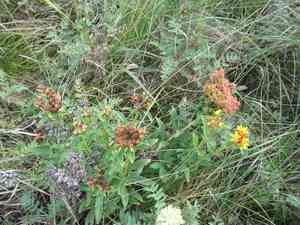
Aizoon stonecrop (Phedimus aizoon)
Also known as: Sedum aizoon
Aizoon stonecrop (Phedimus aizoon) originates from China, Japan, Mongolia, and Russia. It's commonly grown as an ornamental plant and houseplant. For successful cultivation, it requires well-drained soil and consistently moist roots. It is important to note that this species is moderately toxic if ingested by humans or animals.
In This Article
Attributes of Aizoon stonecrop
Lifespan
Perennial
Plant Type
Herb
Plant Height
20 cm to 50 cm
Spread
30 cm to 60 cm
Leaf Color
Green Red
Flower Size
6 mm to 1 cm
Flower Color
Yellow Orange
Images of Aizoon stonecrop
Quickly Identify Aizoon stonecrop
1
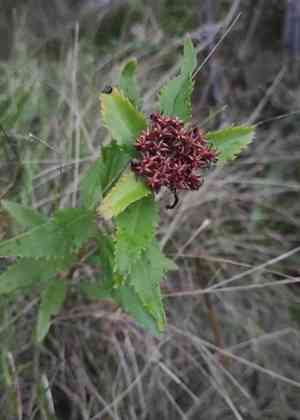
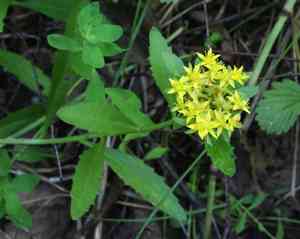
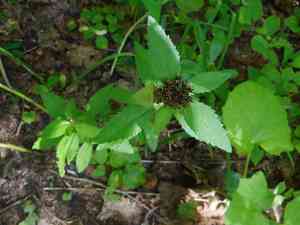
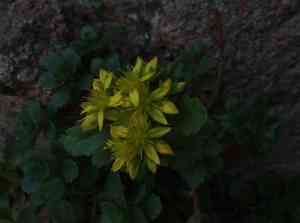
Identify Phedimus aizoon by its thick, fleshy leaves that are often tinged with red in full sun, and its clusters of bright yellow, star-shaped flowers. The plant forms a dense mat and spreads via rhizomes.
Scientific Classification of Aizoon stonecrop
Phylum
Vascular plants
Class
Dicotyledons
Order
Saxifragales
Family
Stonecrop
Genus
Phedimus
Species
Aizoon stonecrop
Planting and Growing of Aizoon stonecrop
Care Difficulty
Easy
Watering Schedule
Every 2 days
Sunlight Requirements
Full sun
Sunshine Duration
6-10 hours
Ideal Temperature
60-75℉
Soil Type
Potting Mix, Peat Mix
Soil pH
6.5-7.5
Fertilizer Type
Balanced
Pruning Season
Spring, Summer
Pruning Area
Branches, Leaves
Pruning Frequency
2 times a year
Repotting Season
Spring
Pot Type
Plastic, Terracotta
 How to Water Aizoon stonecrop?
For Phedimus aizoon, it's essential to provide a moderate amount of water. This plant prefers soil that is evenly moist; avoid both dryness and waterlogging. Water thoroughly until you see a slight runoff from the bottom of the pot, ensuring the entire root system receives hydration.
What are the symptoms of an underwatered Aizoon stonecrop?
›
What should I do if my Aizoon stonecrop is not getting enough water?
›
What are the symptoms of an overwatered Aizoon stonecrop?
›
How to save an overwatered Aizoon stonecrop?
›
 What Are the Sunlight Requirements for Aizoon stonecrop?
Phedimus aizoon ideally requires partial to full sun, benefiting from 6 to 8 hours of sunlight daily to maintain robust health and vigorous growth.
More About Sunlight Requirements Techniques→
Ideal Lighting Purpose
›
Solutions for Ideal Lighting
›
Operation for Optimal Light
›
Optimal Lighting Benefits
›
 What Is the Ideal Temperature Range for Aizoon stonecrop?
The ideal temperature range for cultivating Phedimus aizoon is between 60°F and 75°F. This range allows the plant to thrive and grow optimally, ensuring healthy foliage and vibrant blooms. At these temperatures, the plant's metabolic processes function efficiently, promoting balanced nutrition absorption and cellular division.
 What Soil is Best for Aizoon stonecrop?
Phedimus aizoon thrives in well-drained soils that prevent waterlogging, ensuring the roots receive enough oxygen. This prevents root rot and encourages healthy growth. Moderately fertile soils provide sufficient nutrients without being overwhelming. This nutritional balance supports robust growth without causing excessive lushness that might weaken the plant. This plant prefers soil with a neutral to slightly acidic pH. Such conditions optimize nutrient availability, ensuring the plant can easily absorb essential elements for optimal health.
More About Soil→
 How to Fertilize Aizoon stonecrop?
For Phedimus aizoon, use a balanced liquid fertilizer diluted to half the recommended strength to avoid over-fertilizing. Apply approximately 100 ml per plant, ensuring the soil is moist before application to facilitate nutrient absorption and prevent root burn.
More About Fertilizing Techniques→
 How to Prune Aizoon stonecrop?
You should begin to prune your Phedimus aizoon in early spring as the new growth starts to appear. This is the best time to encourage the plant to develop robust stems and a bushy appearance. A second pruning can be done in the summer to maintain shape and control spread, especially if the plant is used as ground cover. Use sharp, clean shears to trim back any spindly, leggy, or excessively long stems. Aim to cut just above a leaf node or a pleasant cluster of foliage. This will encourage new growth from that point, giving the plant a more compact and lush look.
More About Pruning Techniques→
 How to Propagate Aizoon stonecrop plant?
1
Collect seeds in late summer and sow them in a well-draining soil mix. Cover lightly with soil and maintain consistent moisture. Germination typically takes a few weeks at room temperature.
2
Choose healthy stems and make a clean cut below a node. Remove lower leaves, dip the cut end in rooting hormone, and place in a suitable potting medium. Keep cuttings warm and moist.
3
Dig up a mature plant in early spring. Gently separate root clumps with a sterilized cutting tool, ensuring each section has healthy shoots and roots. Replant divisions promptly.
 How to Repot Aizoon stonecrop plant?
1
Phedimus aizoon should be repotted when its growth slows down significantly, or if the roots are visibly growing out of the drainage holes. Another clear indication is when the plant's top-heavy nature causes it to topple over in its current pot. These signs typically mean the plant has outgrown its home.
2
Select a pot that is one size larger than the current one. Ensure it has adequate drainage holes to prevent waterlogging, which can lead to root rot. Opting for a terra cotta pot can benefit this succulent by allowing better air circulation, helping in the evaporation of excess moisture around the roots.
3
Choose a well-draining sandy soil mix. This allows for adequate air circulation around the roots while preventing water retention that could lead to rot. A cactus or succulent potting mix is ideal as it mimics the plant's natural rocky, low-nutrient environment.



