Enhancing Your Garden Design with the Aizoon stonecrop Plant: A Landscaping Guide
1
Aizoon stonecrop is a adaptable plant suitable for diverse garden environments.
2
Adding Aizoon stonecrop to your outdoor space can enhance its beauty and practical uses.
3
Aizoon stonecrop requires minimal care, making it an excellent option for all levels of gardeners.
Introducing Aizoon Stonecrop in Garden Design
Understanding Aizoon Stonecrop's Role in Garden Aesthetics
Whether you're establishing a new garden or improving an existing one, Aizoon stonecrop can significantly enhance your landscape's visual appeal. This hardy plant is recognized for its vivid leaves and seasonal flowers, which can introduce color and texture to your garden. As a versatile species, Aizoon stonecrop can function as ground cover, highlight borders, or even serve as a focal point in rock gardens. Its adaptability and beauty make Aizoon stonecrop a favorite among landscape designers.
Advantages of Integrating Aizoon Stonecrop into Your Landscape
Incorporating Aizoon stonecrop into your garden offers numerous benefits beyond its decorative charm. Firstly, Aizoon stonecrop is drought-tolerant, meaning it flourishes with minimal wateringâperfect for environmentally conscious gardeners and those in arid regions. Additionally, it attracts various pollinators, including bees and butterflies, fostering biodiversity in your garden. Furthermore, its robust nature reduces the need for frequent upkeep, allowing you to enjoy a beautiful landscape without constant maintenance.
Optimal Placement for Aizoon Stonecrop's Visual Impact
Ideal Locations for Aizoon Stonecrop in Your Garden
Selecting the appropriate spot for Aizoon stonecrop can greatly boost its visual and practical effect. It thrives best in sunny areas, though it can endure partial shade. Consider planting Aizoon stonecrop in well-drained soil along paths, edges, and rock gardens where its spreading habit can fill gaps and create a lush, unified look. Its low-growing characteristic also makes Aizoon stonecrop an excellent choice for ground cover, helping to suppress weeds while adding a beautiful green carpet to your garden.
Design Suggestions for Combining Aizoon Stonecrop with Other Plants
To cultivate a visually pleasing and balanced garden, consider pairing Aizoon stonecrop with plants that complement its texture and color. For a striking effect, blend Aizoon stonecrop's vibrant foliage with ornamental grasses or flowering perennials that have contrasting shades. This combination not only enhances aesthetic appeal but also promotes a dynamic and lively landscape. Moreover, planting Aizoon stonecrop alongside taller plants can create interesting layers and dimensions in your garden, drawing the eye and adding depth to your design.
Seasonal Considerations for Aizoon Stonecrop
Best Times to Plant Aizoon Stonecrop for Optimal Growth
Planting Aizoon stonecrop at the correct time is vital for ensuring its healthy growth and development. The ideal planting periods for Aizoon stonecrop are during spring and fall when temperatures are moderate, and the soil is moist. Spring planting allows Aizoon stonecrop to establish roots before the intense summer heat, while fall planting gives the plant time to root deeply before winter. Always ensure the soil is well-prepared, with adequate drainage, to provide the best conditions for Aizoon stonecrop to thrive.
How Aizoon Stonecrop's Appearance Changes Throughout the Year
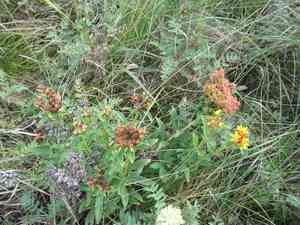
One of the captivating aspects of Aizoon stonecrop is its evolving appearance throughout the year. In spring and summer, Aizoon stonecrop displays vibrant green foliage and bright yellow blooms, which can add a lively burst of color to your garden. By fall, its foliage may acquire a reddish tint, offering an attractive contrast to other autumnal colors. During the winter months, while the plant may enter dormancy, its persistent foliage can still add texture and interest to your garden's winter landscape.
Companion Plants and Features for Aizoon Stonecrop
Top Plants to Pair with Aizoon Stonecrop for a Unified Look
To achieve a harmonious and visually appealing garden design, consider pairing Aizoon stonecrop with complementary plants that enhance its beauty. Succulents, for example, make excellent companions due to their similar water and sunlight requirements. Ornamental grasses can also add contrasting texture and movement, creating a dynamic and layered look. Additionally, flowering perennials such as lavender or echinacea can introduce pops of color that contrast beautifully with Aizoon stonecrop's foliage and blooms.
Decorative Elements that Enhance Aizoon Stonecrop's Visual Appeal
Incorporating decorative elements can further elevate the visual appeal of Aizoon stonecrop in your landscape. Consider adding garden ornaments, stones, or mulch to highlight its natural beauty and provide a contrasting backdrop for its vibrant foliage and blooms. Using edging materials like bricks or decorative borders can help define the planting area and create a neat, finished look. Water features, such as a small pond or birdbath, can also complement Aizoon stonecrop, adding an element of tranquility and attracting wildlife to your garden.
Maintaining the Beauty of Aizoon Stonecrop in Landscaping
Simple Tips to Keep Aizoon Stonecrop Thriving in Your Landscape
Maintaining Aizoon stonecrop in your garden is relatively straightforward, thanks to its resilient nature. Ensure it receives ample sunlight, ideally six to eight hours of direct sunlight daily. Water it moderately, being careful to avoid waterlogging, as well-drained soil is crucial for its health. Regularly remove dead or damaged foliage to encourage new growth and maintain a tidy appearance. A light, balanced fertilizer applied during the growing season can also support its robust growth and flowering.
Addressing Common Challenges with Aizoon Stonecrop
Like any plant, Aizoon stonecrop can face occasional challenges, but these are usually manageable with a bit of proactive care. Pests and diseases are generally minimal, but if you notice signs of trouble, such as yellowing leaves or stunted growth, investigate potential issues like poor drainage or insufficient sunlight. Adjusting watering habits and ensuring good airflow around the plant can prevent many common problems. If pests like aphids appear, natural remedies such as neem oil or introducing beneficial insects can help keep infestations under control.



