How to Prune Common prickly-ash?
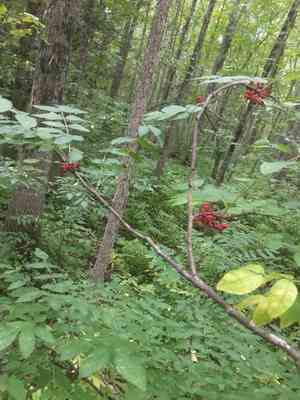
This leafy shrub, recognized by its thorny stems and compound foliage, flourishes when adequately tended. For common prickly-ash, the ideal period for trimming is in early spring prior to the emergence of new shoots. Eliminate any lifeless or ailing wood, reduce older branches to stimulate revitalization, and sculpt as preferred, being cautious not to excessively trim. Trimming boosts the plant's well-being and strength, fostering a sturdier framework and better air movement. Restrict cuts to preserve its inherent shape.
What Are the Benefits of Pruning Common Prickly-ash?
What Are the Benefits of Pruning Common Prickly-ash?
Trimming common prickly-ash is essential for promoting robust development and maintaining its desired shape. Regular cutting back stimulates fresh, healthy shoots and limits the spread of this vigorous species, ensuring it doesn't overshadow nearby plants.
What Is the Best Time for Pruning Common Prickly-ash?
What Is the Best Time for Pruning Common Prickly-ash?
Pruning common prickly-ash in early spring is optimal as it occurs before the start of the new growth cycle, allowing the plant to recover and produce new growth efficiently. This period is after the most severe winter weather but prior to significant new growth, which helps prevent damage from late frosts. Pruning at this time avoids removing newly formed buds that would become the current year's leaves and flowers, thus not interfering with blooming or fruiting. This timing also lowers the risk of disease entry and infestation, as many pathogens and pests are less active then. Early spring pruning helps maintain common prickly-ash's structure, vigor, and overall health, preparing it for a productive growing season.
What Tools Do I Need to Prune Common Prickly-ash?
Hand Pruners
Crucial for making clean cuts on smaller branches and useful for shaping common prickly-ash. They are perfect for trimming twigs and branches under 1 inch in diameter. Ergonomic non-slip handles and high-quality blades are advised for easier pruning and reduced hand strain.
Loppers
Excellent for cutting through thicker branches, typically up to 2 inches in diameter, which common prickly-ash might possess. Loppers offer greater leverage than hand pruners, vital for cutting through the tougher stems of common prickly-ash with less effort.
Pruning Saw
Necessary for handling larger branches of common prickly-ash that exceed 2 inches in diameter. A good pruning saw with sharp, curved teeth will make quick work of bigger cuts and be less likely to harm the plant.
Protective Gloves
Important for safety, especially given the thorny nature of common prickly-ash. Thick gloves can shield hands from thorns and rough bark.
Pole Pruner
Useful for reaching higher branches without needing a ladder. Since common prickly-ash can grow tall, a pole pruner or extendable lopper will enable safe pruning of elevated limbs.
Hedge Shears
Suitable for shaping common prickly-ash if it's grown as a hedge. These are best for snipping softer, non-woody stems and creating a neat line when trimming hedges.
Cleaning Solution
Essential for maintaining tool hygiene and preventing the spread of disease between plants. Tools should be cleaned before moving from one common prickly-ash to another, especially if any disease is suspected.
Step-by-Step Approach
Begin with hand pruners for smaller branches, progress to loppers for medium branches, and conclude with a pruning saw for the largest branches. Use hedge shears for shaping hedges and sanitize tools after each use.
How to Prune Common Prickly-ash
Step1: Timing Pruning Season
Determine the optimal time of year for pruning common prickly-ash, typically late winter or early spring before new growth starts. Avoid pruning in the fall as it can stimulate new growth that may not harden off before the first frost.
Step2: Pruning Tool Preparation
Prepare your pruning tools. Ensure your pruning shears, loppers, and saws are clean and sharp to make precise cuts that will heal faster and minimize disease risk.
Step3: Inspecting Plant for Pruning
Examine common prickly-ash for signs of old growth, dead wood, and diseased sections. Old growth is identifiable by its thickness and rougher bark, dead wood will be brittle and easily broken, and diseased sections may show discoloration, unusual growth, or pests.
Step4: Removing Dead Wood
Begin pruning by removing any dead wood. Make cuts at the base of the dead branch, just above the collar (the swollen area where the branch meets the trunk or main stem), to encourage proper healing.
Step5: Cutting Out Diseased Sections
Identify and remove diseased sections of common prickly-ash. Cut well below the affected area to ensure all compromised tissue is gone. Sterilize your tools after each cut when dealing with diseased branches to prevent spreading infection.
Step6: Pruning Old Growth
Remove any old growth that is no longer producing new foliage or flowers. Cut back to a lateral branch or bud facing the desired direction for new growth. This helps maintain a suitable shape and size for common prickly-ash.
Step7: Thinning for Light and Air
After removing unwanted branches, assess the overall shape and structure of common prickly-ash. Thin out crowded areas to improve light penetration and air circulation within the plant, which helps prevent disease.
Step8: Shaping and Directional Pruning
If needed, perform light shaping of common prickly-ash by shortening overgrown branches. Always make cuts just above outward-facing buds or branches to direct new growth outwards and maintain an open, natural form.
Step9: Cleanup of Pruning Debris
Upon completing pruning, clear all trimmed material from around common prickly-ash to prevent any disease or pests from lingering in the area.
Step10: Post-Pruning Plant Care
After pruning, care for common prickly-ash by providing adequate water and, if necessary, a layer of mulch to help retain moisture and supply nutrients as the plant recovers and regrows.
Post-Pruning Care for Common Prickly-ash
Post-Pruning Care for Common Prickly-ash
Immediately after pruning common prickly-ash, ensure clean cuts to aid healing. Provide filtered sunlight and maintain moderate humidity to prevent stress. Adjust watering to avoid waterlogged soil. Post-pruning, a balanced, slow-release fertilizer can support recovery, but avoid over-fertilization. Monitor common prickly-ash for wilting, discoloration, or pests, which could indicate stress or infection. If signs appear, adjust care and consult a professional if needed to address potential issues promptly.
Common Pruning Mistakes with Common Prickly-ash
Over-Pruning and Plant Stress
Removing too much at once, which can stress common prickly-ash and hinder its recovery, leading to reduced vigor and potential dieback.
Using Dull or Dirty Pruning Tools
Employing dull or unclean tools, which can result in jagged cuts susceptible to pests and diseases, impairing the health of common prickly-ash.
Lack of Purposeful Pruning
Pruning without a clear objective, such as removing too many live branches or shaping without understanding the natural growth habit of common prickly-ash, which can lead to unbalanced growth or loss of desirable form.
Ignorance of Growth Patterns
Not considering the growth pattern of common prickly-ash when pruning, which can result in excessive removal of new growth vital for flowering and fruiting.
Not Removing Unhealthy Wood
Failing to remove dead, diseased, or damaged wood, which can compromise the overall health and appearance of common prickly-ash.
Improper Cutting Technique
Cutting branches flush against the trunk, which can remove the branch collar and impair the plant's natural healing process.
Common Pruning Tips for Common Prickly-ash
Use Sharp, Sanitized Pruning Tools
Ensure tools are sharp and sanitized before starting to prune common prickly-ash, to make clean cuts that heal quickly and reduce the risk of transmitting diseases.
Remove Dead or Diseased Branches
Focus pruning efforts on removing dead or diseased branches to maintain the health and aesthetic appeal of common prickly-ash, cutting just above a healthy bud or lateral branch.
Prune According to Natural Form
Prune with an understanding of common prickly-ash's natural form, removing crossing or rubbing branches to promote good air circulation and light penetration, thereby reducing the potential for disease.
Angle Cuts for Outward Growth
When shortening branches, make cuts at a 45-degree angle above an outward-facing bud to encourage outward growth and prevent water from accumulating on the cut surface.
Monitor for Pests and Diseases
Regularly inspect common prickly-ash for signs of pests or diseases during the pruning process and take appropriate action to address any issues found.
Maintain Structure and Balance
Retain the overall structure and balance of common prickly-ash while pruning, which helps support healthy growth and preserves the plant's form and strength.



