How to Propagate Common prickly-ash?
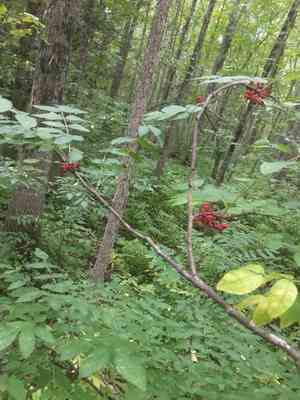
Common prickly-ash can be reproduced via cutting and layering techniques in the fall and winter seasons. The propagation challenge is moderate, indicated by fresh development and robust root systems. Maintain appropriate hydration and sufficient warmth for prime propagation circumstances.
Optimal Time for Propagating Common Prickly-ash
Propagation Method
Cutting
Propagation Period
Autumn,Winter
Tools Required for Common Prickly-ash Propagation
Sharp Bypass Pruning Shears
Crucial for making clean cuts on common prickly-ash stems during the cutting process, sharp bypass pruning shears help minimize disease transmission and damage to the parent plant. A precise cut is vital for preventing pathogen entry, which could jeopardize the health and viability of the cuttings.
Rooting Hormone Powder
This encourages root formation on common prickly-ash stem cuttings when applied to the severed end before planting. The rooting hormone powder contains synthetic auxins that mimic natural root-inducing hormones, thereby boosting the chances of successful root development and the overall propagation success rate.
Sterile Potting Mix
A sterile potting mix offers a pathogen-free environment for common prickly-ash cuttings to establish roots, helping to prevent diseases that can harm new growth. The light and porous texture of the mix ensures adequate aeration and moisture retention, ideal for initial root development.
Humidity Dome or Plastic Bags
Maintaining elevated humidity levels around common prickly-ash cuttings is crucial for preventing water loss through transpiration. A humidity dome or plastic bags can create a mini-greenhouse effect, which is essential for keeping cuttings hydrated until they develop their own root systems.
Plant Pots or Trays
Suitable for holding common prickly-ash's cuttings, plant pots, or trays serve as containers that provide the necessary space for root growth. They should feature drainage holes to prevent waterlogging, which is detrimental to the health of new roots.
Heat Mat (Optional)
If common prickly-ash cuttings require warmth for optimal root development, a heat mat can be placed beneath the potting trays to maintain a consistent and appropriate temperature. This can accelerate root growth and increase the propagation success rate, especially in cooler environments.
Post-Propagation Care for Your Common Prickly-ash
Post-Propagation Care for Your Common Prickly-ash
Once roots have formed, gradually introduce the new common prickly-ash plants to less humid conditions. Transplant them into individual containers when they are large enough to handle. Place them in well-draining soil and provide water to keep the soil consistently moist, but not saturated. Protect from extreme temperatures and direct sunlight until established. Fertilize with a balanced, slow-release fertilizer according to product instructions, and prune as needed to encourage dense growth.
Common Errors to Avoid When Propagating Common Prickly-ash
Ignoring seed dormancy
Seeds of common prickly-ash possess a natural dormancy period, which can lead to failed germination if overlooked. Disregarding this dormancy means the seeds may not sprout, wasting both time and resources.
Overwatering cuttings
Cuttings of common prickly-ash require consistent moisture but can be sensitive to excessive watering. This error can result in root rot or fungal growth that negatively impacts root development.
Planting in poorly-drained soil
While common prickly-ash prefers moist conditions, it does not thrive in waterlogged soils. Planting in such conditions can hinder growth and promote disease.
Ignoring pest management
In its early growth stages, common prickly-ash is susceptible to pests. Failing to monitor and manage pests can lead to weakened or stunted growth.
Advice for Propagating Common Prickly-ash
Stratification of seeds
To break dormancy and encourage germination of common prickly-ash's seeds, cold stratification is necessary. This mimics winter conditions, promoting sprouting when conditions improve.
Proper cutting technique
For successful cutting propagation of common prickly-ash, use a sharp tool to make a clean cut, increasing the likelihood of rooting and preventing disease.
Soil preparation
Prepare a well-drained soil mixture rich in organic matter for common prickly-ash, ensuring a healthy start for either seeds or cuttings.
Pest control
Regularly inspecting and taking preventative measures against pests when propagating common prickly-ash helps safeguard young plants during their vulnerable establishment phase.



