How to Overwinter Common prickly-ash
1
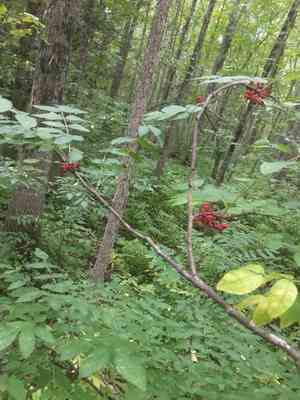
Common prickly-ash is a cold-tolerant plant, able to endure severe winters if cared for correctly.
2
Applying mulch is crucial for safeguarding the root structure of Common prickly-ash throughout the winter season.
3
Frequent checks in winter can aid in avoiding significant frost harm to your Common prickly-ash.
Understanding Overwintering and Its Importance
What is Overwintering and Why is it Important?
Overwintering involves preparing and safeguarding plants to endure the cold winter months. For perennials like the Common prickly-ash (Zanthoxylum americanum), this process is vital for maintaining plant health and ensuring continued growth in spring. Given that severe winter conditions can be harmful, taking appropriate steps to overwinter your plant helps minimize the risk of damage from frost, snow, or strong winds.
Preparing Common prickly-ash for Winter
Assessing Plant Health
Before winter arrives, examine your Common prickly-ash for any indications of illness or harm. Remove any unhealthy or dead branches, as these can negatively impact the plant's overall well-being. Addressing these concerns early ensures the plant is stronger and better equipped to face the winter season.
Appropriate Pruning Methods
Pruning is crucial for maintaining the form and vitality of your Common prickly-ash. Trim any overgrown or tangled branches, aiming for a neat and healthy structure. Using clean, sharp tools, make cuts at a 45-degree angle to encourage better healing. Proper pruning promotes vigorous growth and can help the plant withstand snow loads and harsh winds more effectively.
Mulching and Soil Preparation
Mulching is an excellent method to insulate the roots of your Common prickly-ash from extreme cold. Apply a layer of organic mulch, approximately 5-10 cm (2-4 inches) thick, around the plant's base. This helps regulate soil temperature, retain moisture, and prevent root damage. Be careful not to pile mulch against the trunk to avoid rot.
Providing Winter Protection for Common prickly-ash
Utilizing Covers and Windbreaks
If you reside in an area prone to strong winds and heavy snowfall, consider installing windbreaks or using protective coverings. Burlap sheets or frost cloths can be wrapped around the plant for protection. Ensure the coverings are securely fastened to prevent them from being blown away. Windbreaks can also lessen the physical stress on the plant from powerful gusts and blowing snow.
Winter Watering Requirements
While watering is significantly reduced during winter, your Common prickly-ash will still require some moisture. Water the plant thoroughly before the ground freezes to ensure it has sufficient resources to sustain itself. During winter, water only if you experience a dry spell, using approximately 2-3 liters (0.5-0.75 gallons) every few weeks.
Preventing Pest and Disease Issues
Winter can sometimes lead to pest and disease problems. To prevent these, remove any fallen leaves or debris around the plant's base. This minimizes habitats for pests. Regular inspection and the application of dormant oils can also help keep disease and pest issues under control.
Monitoring Common prickly-ash Throughout the Winter
Routine Checks
Periodically inspect your Common prickly-ash throughout the winter. Look for signs of damage such as broken branches, frostbite, or pests. Addressing issues promptly can prevent more significant problems and ensure your plant remains healthy.
Signs of Frost Damage and Remedial Actions
Frost damage often manifests as blackened or wilted leaves and branches. If you observe these signs, prune the affected areas once milder weather returns. Timely intervention can prevent further damage and encourage new, healthy growth when spring arrives.



