The Common prickly-ash Plant Advantage: Maximizing Home and Office Appeal and Wellness
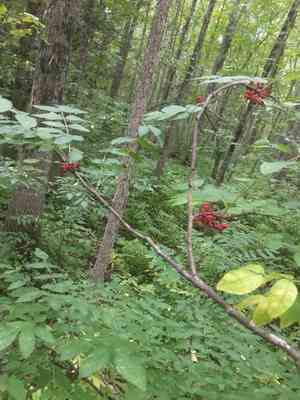
1
Common prickly-ash serves multiple purposes, valued as a spice and for its fragrant qualities.
2
The fruit and outer layer of Common prickly-ash are recognized for their ability to aid digestion.
3
Common prickly-ash contains abundant essential oils frequently utilized in customary remedies.
What Is Common Prickly-Ash?
An Overview of Common Prickly-Ash
Common prickly-ash is a deciduous shrub or small tree from the Rutaceae family. It primarily grows in North America, recognized by its thorny branches and bright red berries. This plant typically inhabits woodland areas and flourishes in well-drained soils.
Traditional Uses of Common Prickly-Ash
Common prickly-ash has a long history of use among indigenous communities. Traditionally, various parts of the plant, including the bark and berries, were utilized for their aromatic qualities and often incorporated into culinary dishes and folk practices.
Nutritional and Chemical Composition
Essential Oils in Common Prickly-Ash
Common prickly-ash is rich in essential oils, particularly in its bark and berries. These oils are known for their distinct aroma and are widely used in both culinary and aromatic applications. Key components include compounds like spilanthol and various terpenes.
Nutritional Profile
The berries of Common prickly-ash contain several vitamins and minerals, contributing to their nutritional value. They are a source of antioxidants, helping to neutralize free radicals in the body. Additionally, the plantâs components are recognized for their anti-inflammatory properties, which can aid in holistic health practices.
How Can Common Prickly-Ash Support Digestive Health?
Stomach Soothing Properties
One notable benefit of Common prickly-ash is its potential to support digestive health. The bark and berries are often used to soothe the stomach and promote general digestive well-being. This is attributed to the presence of spilanthol and other compounds that can encourage digestion.
Promoting Appetite
Another advantage of Common prickly-ash is its use in promoting appetite. The plant's aromatic properties can stimulate the senses and encourage a healthy appetite, which is particularly beneficial in culinary uses where it's employed as a spice to enhance the flavor of dishes.
Aromatic and Culinary Applications
As a Spice
In the kitchen, Common prickly-ash is valued for its unique flavor profile. The berries and bark can be ground into a spice that adds a zingy, slightly numbing sensation to foods. This makes it a popular choice for spicing up meats, soups, and even beverages.
Essential Oils for Aromatherapy
The essential oils extracted from Common prickly-ash are used in aromatherapy for their refreshing scent. They can be employed in diffusers or added to massage oils to provide a calming and invigorating experience. These oils are celebrated for their ability to create a relaxing atmosphere and elevate mood.
Sustainability and Cultivation
Growing Common Prickly-Ash
To cultivate Common prickly-ash, itâs essential to understand its growing conditions. This plant prefers well-drained soils and a location that receives ample sunlight. It can be propagated through seeds or cuttings, and once established, it requires minimal care to thrive.
Sustainable Harvesting Practices
Sustainable harvesting of Common prickly-ash ensures that the plant continues to thrive in its natural habitat. Collecting berries and bark in a manner that does not harm the plant allows for continual growth and regeneration, ensuring that future generations can benefit from this versatile plant.



