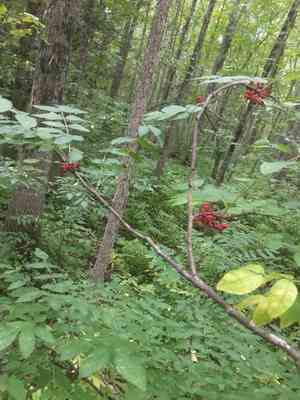
Common prickly-ash (Zanthoxylum americanum)
Also known as: Toothache tree, Common prickly ash, Yellow wood
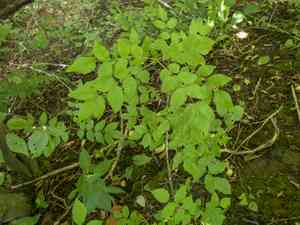
The tree you're referring to is the Common Prickly-Ash (Zanthoxylum americanum). This small deciduous tree forms dense thickets and has compound leaves similar to those of an ash tree. The leaves are green during the growing season and turn yellow in the fall. It produces small, fragrant flowers in the spring, which are followed by red berries that ripen to black. The tree thrives in full sun and is commonly planted as a barrier in poor soil conditions.
In This Article
Attributes of Common prickly-ash
Lifespan
Perennial
Plant Type
Shrub
Plant Height
10 m
Spread
3 m to 4.5 m
Leaf Color
Green
Flower Size
2.5 cm
Flower Color
Yellow Green
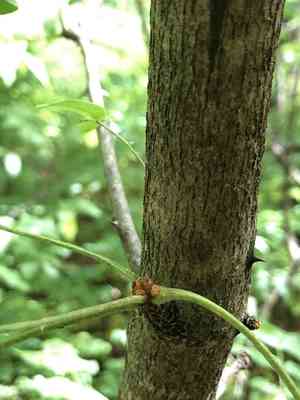
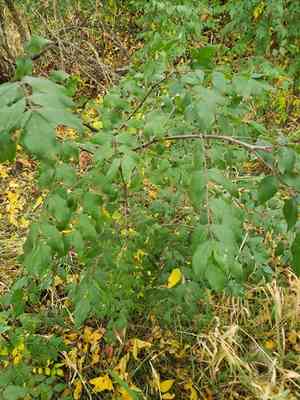
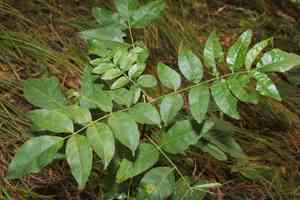
Images of Common prickly-ash
Scientific Classification of Common prickly-ash
Phylum
Vascular plants
Class
Dicotyledons
Order
Water plantains and allies
Family
Rue
Genus
Prickly ash
Species
Common prickly-ash
Planting and Growing of Common prickly-ash
Care Difficulty
Easy
Watering Schedule
Every 3 days
Sunlight Requirements
Full sun
Sunshine Duration
4-8 hours
Ideal Temperature
60-75℉
Soil Type
Potting Mix, Peat Mix
Soil pH
6.5-7.5
Fertilizer Type
Balanced
Pruning Season
Spring, Summer
Pruning Area
Branches, Leaves
Pruning Frequency
2 times a year
Repotting Season
Spring
Pot Type
Plastic, Ceramic
 How to Water Common prickly-ash?
Zanthoxylum americanum thrives when its soil remains moist but not waterlogged. Watering should ensure the soil is moistened to a depth of about 2 inches, ensuring adequate hydration without suffocating the roots. This typically translates to about 500 ml of water per session but adjust based on the specific humidity and temperature conditions of your environment.
What are the symptoms of an underwatered Common prickly-ash?
›
What should I do if my Common prickly-ash is not getting enough water?
›
What are the symptoms of an overwatered Common prickly-ash?
›
How to save an overwatered Common prickly-ash?
›
 What Are the Sunlight Requirements for Common prickly-ash?
Optimal growth in Zanthoxylum americanum occurs with half to full-day sun exposure. Such conditions enhance leaf vigor and overall plant robustness, ensuring it remains healthy and flourishing.
More About Sunlight Requirements Techniques→
Is Zanthoxylum americanum sun-loving?
›
Can it tolerate partial sunlight?
›
How can I ensure ideal sunlight for Zanthoxylum americanum?
›
 What Is the Ideal Temperature Range for Common prickly-ash?
The ideal temperature range for Zanthoxylum americanum, commonly known as the American prickly ash, is between 60°F to 75°F. This range provides optimal conditions for growth and ensures that the plant maintains a healthy physiological state. At these temperatures, metabolic processes occur efficiently, supporting robust growth and development.
 What Soil is Best for Common prickly-ash?
Zanthoxylum americanum thrives in well-drained soil, which prevents waterlogging and root rot. This plant is indigenous to areas with permeable, loamy substrates that support its need for good water infiltration and air exchange. This species benefits from a nutrient-rich soil, full of organic matter. The high organic content supports vigorous growth and development, providing essential nutrients throughout the growing season. The plant prefers soil that can retain moderate moisture but doesn’t remain waterlogged. Such soil ensures consistent moisture availability while preventing conditions that lead to fungal diseases.
 How to Fertilize Common prickly-ash?
For Zanthoxylum americanum, a balanced approach is required. Use a diluted liquid fertilizer at half the standard concentration for optimal growth. It's crucial to avoid over-fertilization to prevent harm to the plant.
 How to Prune Common prickly-ash?
Begin by assessing the tree for any dead or diseased branches. Remove these first using a clean cut close to the branch collar to prevent the spread of disease and maintain plant health. Select branches that are crossing or rubbing against each other and prune them to maintain a sound structure and open canopy, which also ensures better light penetration. Pruning back one-third of last year’s growth will promote new branch production. This is essential for the shrub's renewal and intensive rejuvenation of its foliage.
More About Pruning Techniques→
 How to Propagate Common prickly-ash plant?
1
Gather seeds from mature Zanthoxylum americanum fruits in early autumn. Clean the seeds thoroughly to remove any pulp and air dry them for several days to prepare for sowing.
2
Select healthy stems in summer for cuttings. Cut 4-6 inch segments, ensuring each segment has at least two nodes. Remove the lower leaves and dip the cut end in rooting hormone to encourage root development.
3
Root division should be done in early spring. Carefully dig around the base of the plant to expose roots. Separate healthy root sections, ensuring each division has adequate shoots and roots to sustain growth.
 How to Repot Common prickly-ash plant?
1
Zanthoxylum americanum, commonly known as prickly ash, should be repotted when its roots begin to outgrow the current pot, protruding from the drainage holes or coiling around the pot's interior. The best time for repotting is during its active growing periods in spring or summer, ensuring the plant has ample time to establish itself in its new environment before dormancy.
2
Select a pot that is 1-2 inches larger in diameter than the current one. This roomier environment provides sufficient space for root development without overwhelming the plant with excess soil, which can retain water and lead to root rot. Ensure the pot has adequate drainage holes to prevent water accumulation.
3
Opt for a well-draining, loamy soil blend to support robust growth. The ideal mix should balance moisture retention with aeration to keep roots healthy, as these conditions mimic its natural habitat. Avoid overly dense media that can suffocate roots and impair nutrient exchange.



