How to Prune Shrubby blue sage?
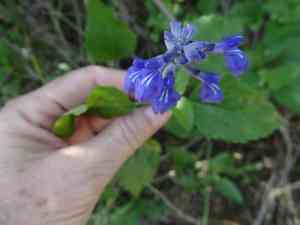
A perennial subshrub recognized for its blue-violet blossoms and bushy growth pattern, shrubby blue sage flourishes with careful trimming. Cut back stems that have overwintered in early spring to encourage robust new development. Eliminate any deceased or compromised branches at any point to sustain the plant's vitality. Winter pruning fosters a dense structure, mitigating excessive woodiness. This opportune upkeep guarantees abundant flowering, highlighting shrubby blue sage's vivid hues and elevating its decorative value.
Advantages of Trimming Shrubby Blue Sage
Advantages of Trimming Shrubby Blue Sage
Trimming shrubby blue sage promotes robust development and maintains a compact, appealing form. Strategic cuts can stimulate new, strong shoots, improving the plant's structure and vitality.
Optimal Time for Trimming Shrubby Blue Sage
Optimal Time for Trimming Shrubby Blue Sage
Trimming in late winter to early spring, just before the new growth cycle begins, allows shrubby blue sage to recover quickly and focus energy on producing new growth. This timing ensures that any damage from winter's cold is removed, which helps to prevent diseases and pests that could exploit weak or dead tissue. Furthermore, since shrubby blue sage flowers on new growth, trimming at this time ensures that the season's blooms are not sacrificed, and the plant maintains its natural shape and vigor. Trimming during this time also allows gardeners to shape the plant and manage its size effectively before it begins its active growth, benefiting its overall health and aesthetic appearance.
Tools Required for Trimming Shrubby Blue Sage
Bypass Pruners
Perfect for making clean cuts on the smaller stems of shrubby blue sage, minimizing the risk of crushing plant tissues.
Hand Shears
Useful for shaping shrubby blue sage by snipping away small, unwanted branches and leaves with precision.
Pruning Saw
Essential for cutting through thicker branches that bypass pruners cannot handle, ensuring clean cuts without damaging shrubby blue sage.
Gloves
Offer protection for the gardener's hands from thorns and sharp edges while trimming shrubby blue sage.
Loppers
Are helpful for reaching deeper or higher parts of shrubby blue sage and provide more leverage for thicker stems.
How to Trim Shrubby Blue Sage
Identify Parts
Examine shrubby blue sage carefully to identify withered leaves, dead branches, and diseased branches for removal.
Sanitize Tools
Sanitize trimming tools with alcohol or a bleach solution to prevent the spread of disease during trimming.
Cut Withered Leaves
Remove withered leaves by cutting them at the base where they meet the stem or branch, using clean, sharp scissors or hand pruners.
Remove Dead Branches
Cut dead branches at their point of origin from the main plant or from a healthy segment, ensuring a clean cut that does not tear the plant's tissue.
Trim Diseased Branches
Trim diseased branches by making cuts at least a few inches below the diseased wood, and dispose of them properly to prevent contamination.
Common Trimming Errors with Shrubby Blue Sage
Excessive Trimming
Trimming too much at once can stress shrubby blue sage, potentially leading to stunted growth or a weakened plant. As a rule of thumb, remove no more than one-third of the plant at a time.
Imprecise Cuts
Making jagged or torn cuts can harm shrubby blue sage, as clean cuts heal faster and are less prone to disease. Always use sharp, clean trimming tools.
Neglecting Deadheading
Failing to remove spent flowers on shrubby blue sage can result in fewer blooms the following season, as it can redirect energy to seed production rather than new flowers.
Trimming For Shape Alone
While shaping shrubby blue sage is important, neglecting internal thinning can lead to poor air circulation within the plant. This makes shrubby blue sage more susceptible to pests and diseases.
Ignoring Plant Health
Trimming without first assessing the health of shrubby blue sage can remove healthy growth unnecessarily. Prioritize removing dead or diseased branches to maintain plant vigor.
General Trimming Advice for Shrubby Blue Sage
Clean Tools
Before trimming shrubby blue sage, ensure tools are clean and sterilized. This prevents the spread of disease between plants.
Precise Cuts
Make cuts at a 45-degree angle just above a set of leaves or node. This encourages shrubby blue sage to initiate new growth in the right direction.
Deadheading
Regularly deadhead spent blooms to encourage continuous flowering of shrubby blue sage. This redirects the plant's energy towards producing new blooms.
Thinning
Thin out the center of shrubby blue sage to increase air circulation and light penetration, which are vital for reducing disease risk and encouraging robust growth.
Regenerative Trimming
To rejuvenate an overgrown shrubby blue sage, staggered heavy trimming may be necessary. This involves cutting back a portion of the oldest stems over a period, allowing the plant to recover between sessions.



