Enhancing Your Garden Design with the Shrubby blue sage Plant: A Landscaping Guide
1
Shrubby blue sage is a adaptable plant capable of flourishing in diverse soil conditions.
2
Shrubby blue sage draws in helpful pollinators, boosting your garden's biological diversity.
3
Consistent trimming assists in preserving the visual attractiveness and vitality of Shrubby blue sage.
Introducing Shrubby Blue Sage to Your Landscape
The visual charm of Shrubby blue sage
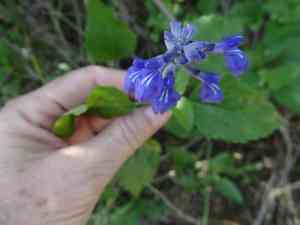
If you're aiming to introduce vivid color and texture to your garden, Shrubby blue sage is an excellent option. With its striking blue blossoms and bushy form, it offers a distinctive appearance that can function as both a focal point and a complementary element in any garden design. The vibrant flowers of Shrubby blue sage create a captivating contrast against green foliage, making it a prominent feature in any outdoor space.
Brief overview of Shrubby blue sage's distinct characteristics
Shrubby blue sage is recognized for its robust nature and capacity to flourish in diverse environmental conditions. This plant typically displays blue to lavender blooms and can reach several feet in height when mature. Beyond its visual appeal, Shrubby blue sage is also drought-tolerant, making it a practical choice for xeriscaping or gardens with low water usage. Its resilient character ensures it can endure harsh conditions, making it a low-maintenance addition to your landscape.
Selecting the Optimal Site for Shrubby Blue Sage in Your Garden
Considerations for choosing a planting spot
When deciding where to place Shrubby blue sage, it's crucial to consider several factors to ensure its prosperity. First, assess the plant's mature dimensions to guarantee ample room for development. Additionally, consider the climate; while Shrubby blue sage is quite adaptable, it thrives best in well-drained soil and indirect sunlight. Furthermore, placement should account for the visual harmony of your garden, creating a mix of colors and textures that complements the overall landscape design.
Light exposure requirements
Shrubby blue sage thrives in locations with full sun to partial shade. For optimal flowering, aim for at least six hours of sunlight daily. However, due to its adaptability, it can tolerate some periods of shade. Just be mindful that insufficient sunlight can hinder the plant's ability to produce its vibrant blooms, diminishing its visual impact in your garden.
Soil composition and drainage considerations
One of the most critical factors for planting Shrubby blue sage is ensuring appropriate soil and drainage. This plant prefers well-drained soil to prevent root rot, a common problem if left in waterlogged conditions. Amending your garden soil with compost can enhance its drainage properties and supply essential nutrients to boost plant health. Additionally, sandy or loamy soils are ideal for Shrubby blue sage because they facilitate adequate moisture absorption while allowing excess water to drain away.
Integrating Shrubby Blue Sage with Other Plants
Companion plants for visual balance
To achieve a balanced and aesthetically pleasing garden, Shrubby blue sage pairs beautifully with a variety of other plants. Consider combining it with ornamental grasses, which add movement and subtle background textures. Flowering plants like coneflowers or black-eyed Susans can also enhance the visual appeal with their contrasting colors. Moreover, integrating types of succulents or ground covers around Shrubby blue sage can result in a dynamic and layered garden bed that showcases different heights and forms.
Avoiding common planting errors
A frequent mistake when planting Shrubby blue sage is positioning it too close to other plants, leading to overcrowding and competition for resources. Overcrowding can hinder optimal growth and diminish the visual appeal you aim to achieve. Another error is neglecting to group plants with similar water and sunlight needs, which can lead to inconsistent care requirements. To avoid these issues, proper planning and understanding each plant's needs will help create a harmonious and thriving landscape.
Seasonal Care for Shrubby Blue Sage
What to expect in spring and summer
During the spring and summer months, Shrubby blue sage will be at its peak, displaying vibrant blooms and lush foliage. This is the ideal time to appreciate its full beauty and the beneficial insects it attracts, such as bees and butterflies. Regular watering during dry spells and an occasional check for pests will ensure Shrubby blue sage remains healthy throughout its prime growing season.
Preparing Shrubby blue sage for autumn and winter
As the colder months approach, it's essential to prepare Shrubby blue sage for winter. This involves pruning back spent blooms and potentially adding a layer of mulch to insulate the roots from extreme temperatures. In regions with harsh winters, additional protective measures like covering with burlap can help safeguard the plant. Preparing Shrubby blue sage for winter ensures it returns strong and ready to bloom again in the spring.
Maintaining the Visual Appeal of Shrubby Blue Sage
Tips for pruning and maintenance
Pruning is crucial to maintain the shape and encourage new growth in Shrubby blue sage. Trim back any dead or damaged stems, and cut spent flowers to promote continuous blooming. Regular pruning helps in keeping the plant tidy and prevents it from becoming too leggy. Additionally, providing occasional feeding with a balanced fertilizer during the growing season can keep Shrubby blue sage healthy and visually appealing.
How to manage pests and diseases
While Shrubby blue sage is generally robust, it can occasionally suffer from pests like aphids or spider mites. A strong spray of water often helps dislodge pests, and in more severe cases, an insecticidal soap may be necessary. Keep an eye out for signs of disease such as powdery mildew, which can be managed by improving air circulation around the plant and avoiding overhead watering. By addressing these issues promptly, you can ensure that Shrubby blue sage remains a stunning feature in your landscape.



