How to Propagate Shrubby blue sage?
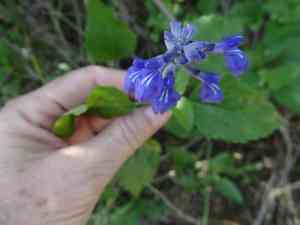
Salvia azurea thrives when reproduced via cuttings, offering a dependable technique to multiply this adaptable and ornamental sage. It is recommended that cultivators choose robust, non-blooming stalks to maximize the likelihood of success. Carefully sever these from the main plant, making sure incisions are made directly beneath leaf nodes for superior root formation. Apply rooting compound to the severed end before embedding it in a free-draining, sterilized substrate. Maintaining steady humidity and warmth, without oversaturation, is crucial for strengthening root growth. Upon observing indications of new development, Salvia azurea cuttings can be progressively introduced to outdoor environments.
When Is the Optimal Time to Propagate Shrubby Blue Sage?
Propagation Method
Cutting
Propagation Period
Spring,Summer
What Equipment Is Used in Shrubby Blue Sage Propagation?
Sharp Pruning Shears
Pruning shears are vital for making clean cuts from shrubby blue sage, ensuring minimal harm to the parent plant and the cutting. Sharp, sterilized blades help prevent infection and promote faster healing, crucial for successful rooting.
Rooting Hormone Powder
Rooting hormone powder stimulates root development in cuttings of shrubby blue sage. By dipping the base of the cutting into the hormone, you enhance rooting efficiency and speed, which is particularly beneficial for hardwood cuttings like those from shrubby blue sage.
Sterile Potting Mix
Using a sterile potting mix for shrubby blue sage cuttings helps prevent disease and encourages healthy root growth. A well-draining, nutrient-rich mix supports the initial growth phase of the cuttings, ensuring they have the necessary environment for rooting.
Propagation Tray or Pots
Propagation trays or small pots are suitable containers for rooting shrubby blue sage cuttings. They should have adequate drainage and be spacious enough to accommodate multiple cuttings, allowing space for root development without overcrowding.
Plastic Dome or Bags
Covering shrubby blue sage cuttings with a plastic dome or bag creates a humid microenvironment that is crucial for retaining moisture. This not only prevents the cuttings from drying out but also encourages faster root establishment.
Heat Mat (Optional)
For propagators in cooler climates, a heat mat can improve the rooting success of shrubby blue sage cuttings. It maintains a consistent and suitable temperature, which can be crucial during colder months or in less controlled environments.
How to Propagate Shrubby Blue Sage?
Propagation Difficulty
Moderately Difficult
How to Care for Your Newly Propagated Shrubby Blue Sage?
How to Care for Your Newly Propagated Shrubby Blue Sage?
After the cuttings of shrubby blue sage have developed a robust root system, gradually acclimatize them to less humid conditions by removing the plastic cover for increasing durations. Once fully acclimated, provide shrubby blue sage with full to partial sunlight and water regularly to keep the soil consistently moist. Fertilize lightly during the growing season, and prune shrubby blue sage annually to encourage bushier growth and maintain shape.
Common Mistakes to Avoid When Propagating Shrubby Blue Sage
Overwatering
Propagating shrubby blue sage with too much water can lead to root rot, a condition detrimental to the roots which prohibits efficient nutrient absorption, ultimately weakening or killing the plant.
Using non-draining containers
While propagating shrubby blue sage, using containers that lack proper drainage may cause water to pool. This increases the likelihood of fungal diseases and root rot due to excessive moisture around the roots.
Neglecting to prune
Failing to prune shrubby blue sage before propagation can result in less vigorous growth. Pruning encourages healthier new growth, which is vital for successful propagation.
Tips For Propagating Shrubby Blue Sage
Use well-draining soil
For effective propagation of shrubby blue sage, itâs crucial to use a well-draining soil mix. This helps prevent water retention and supports better root growth without the risk of fungal diseases.
Maintain moderate humidity
Keeping the environment around shrubby blue sage moderately humid can help in the successful establishment of new cuttings by preventing the leaves from drying out before the roots have fully developed.
Select healthy parent plants
Choosing healthy, disease-free parent plants for propagation ensures shrubby blue sage has the strongest genetic material, enhancing the chances of survival and vigorous growth.



