The Shrubby blue sage Plant Advantage: Maximizing Home and Office Appeal and Wellness
1
Shrubby blue sage draws in helpful pollinators like bees and butterflies to your outdoor space.
2
This plant tolerates dry conditions and flourishes in arid, well-draining ground.
3
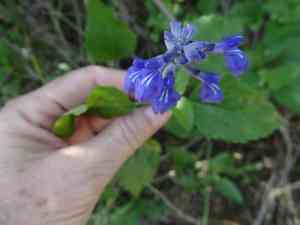
It's recognized for its fragrant leaves and vivid blue blooms, offering visual appeal.
What Makes Shrubby blue sage Distinctive?
Visual Allure
Shrubby blue sage is celebrated for its vivid blue blossoms and fragrant leaves, making it an appealing addition to any garden space. The plant's striking look not only enhances landscapes but also imparts a sense of grace and calm. Its flowers can form picturesque scenes, especially when grouped or paired with complementary plants.
Hardiness and Adaptability
Shrubby blue sage flourishes in dry, well-drained ground and exhibits remarkable drought resistance. This trait makes it suitable for gardens in arid regions or for those seeking low-maintenance flora. Its capacity to endure harsh conditions means it demands less water and attention than more delicate species, offering both convenience and ecological benefit.
How Does Shrubby blue sage Enhance Your Garden's Ecosystem?
Attracting Pollinators
A key advantage of Shrubby blue sage is its capacity to draw beneficial pollinators such as bees, butterflies, and hummingbirds. These creatures play a vital role in the fertilization of many plants, contributing to your garden's biodiversity and overall health. By cultivating Shrubby blue sage, you create an inviting habitat for these pollinators, which in turn supports the ecosystem's vitality.
Improving Soil Quality
Shrubby blue sage contributes to soil health by preventing erosion and fostering soil stability with its extensive root system. The plant's roots help bind the earth, reducing the risk of soil loss, which is particularly advantageous for sloped or uneven terrain. Furthermore, it can boost soil fertility over time by adding organic matter as its foliage decomposes.
Practical Applications of Shrubby blue sage in Landscaping
Creating Natural Boundaries and Hedges
Given its dense foliage and consistent growth habit, Shrubby blue sage is perfect for establishing natural borders and hedges. It can be utilized to define garden areas, offer privacy, or serve as a windbreak. Its robust nature and minimal trimming needs make it a practical choice for these functions.
Companion Planting
Companion planting with Shrubby blue sage can benefit nearby plants, as its aromatic leaves help deter certain pests. Its presence can foster a more balanced garden ecosystem by lessening the need for chemical pesticides. Plants like tomatoes and peppers can particularly gain from being planted alongside Shrubby blue sage, as it can help ward off specific insects that commonly affect these vegetables.
Caring for Shrubby blue sage: Advice and Best Practices
Optimal Growing Conditions
Shrubby blue sage prefers sunny spots with well-drained soil. While it is drought-tolerant, providing some water during extended dry periods can help maintain its vigor. Mulching can aid in retaining soil moisture and suppressing weeds, enhancing the plant's growth and health.
Pruning and Upkeep
Minimal pruning is necessary for Shrubby blue sage. However, occasional trimming after the flowering season can encourage new growth and preserve its form. Removing spent blooms can also promote a neater appearance and potentially extend the flowering period.



