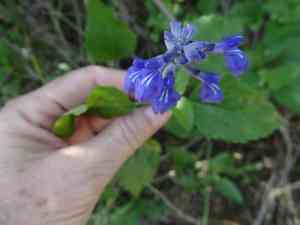
Shrubby blue sage (Salvia ballotiflora)
Also known as: Shrubby blue salvia
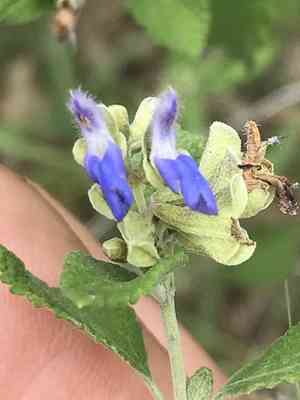
Shrubby blue sage typically grows between 1.2 and 1.8 meters tall, with a spread that is roughly half of its height. The leaves are ovate, measuring 1.5 to 4 centimeters in length, and feature serrated or wavy edges. This plant produces abundant light blue to purple flowers, each less than 1.3 centimeters long, blooming from spring through fall.
In This Article
Attributes of Shrubby blue sage
Lifespan
Perennial
Plant Type
Shrub
Plant Height
91 cm to 1.8 m
Spread
Approximately 1 meter
Leaf Color
Greyish-green
Flower Size
0.5 to 1 centimeter
Flower Color
Blue to lavender
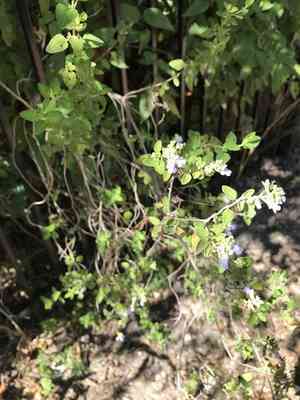
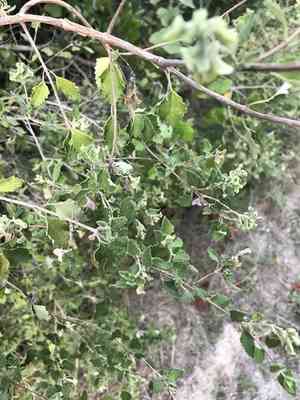
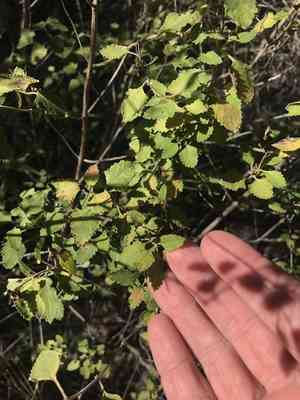
Images of Shrubby blue sage
Quickly Identify Shrubby blue sage
1
Identifiable by its blue to lavender flowers arranged in whorls, aromatic leaves that are greyish-green, and a somewhat woody base. The leaves are opposite and ovate to lanceolate in shape.
Scientific Classification of Shrubby blue sage
Phylum
Vascular plants
Class
Dicotyledons
Order
Lamiales
Family
Mint
Genus
Sages
Species
Shrubby blue sage
Planting and Growing of Shrubby blue sage
Care Difficulty
Easy
Watering Schedule
Every 3 days
Sunlight Requirements
Full sun
Sunshine Duration
6-8 hours
Ideal Temperature
60-75℉
Soil Type
Potting Mix, Peat Mix
Soil pH
6.5-7.5
Fertilizer Type
Balanced
Pruning Season
Spring, Summer
Pruning Area
Branches, Leaves
Pruning Frequency
2 times a year
Repotting Season
Spring
Pot Type
Plastic, Ceramic
 How to Water Shrubby blue sage?
Salvia ballotiflora requires a moderate amount of water, aiming for about 250 milliliters per session. The goal is to moisten the soil evenly without leaving it waterlogged. The soil should feel damp to the touch but not soggy. This ensures that the roots receive adequate hydration without drowning in excess water.
What are the symptoms of an underwatered Shrubby blue sage?
›
What should I do if my Shrubby blue sage is not getting enough water?
›
What are the symptoms of an overwatered Shrubby blue sage?
›
How to save an overwatered Shrubby blue sage?
›
 What Are the Sunlight Requirements for Shrubby blue sage?
Salvia ballotiflora excels in full sun, requiring 6 to 8 hours daily. Ideal lighting enhances growth, producing abundant and vibrant blooms, robust stems, and overall plant health.
What type of sunlight does Salvia ballotiflora prefer?
›
How can I maximize sunlight for my Salvia ballotiflora?
›
What benefits does appropriate sunlight offer to Salvia ballotiflora?
›
 What Is the Ideal Temperature Range for Shrubby blue sage?
The ideal temperature range for Salvia ballotiflora is between 60°F and 75°F. This range provides optimal conditions for growth, ensuring healthy foliage and vibrant blooms. The environment within this temperature bracket allows the plant's metabolic processes to function efficiently, supporting both vegetative and reproductive growth.
 What Soil is Best for Shrubby blue sage?
Salvia ballotiflora thrives in well-drained soil, which prevents root rot by allowing excess water to escape easily. This promotes healthy root growth and overall plant vitality. Providing a nutrient-rich soil supports lush growth and prolific blooming. It's important to ensure the soil is enriched with organic matter or a balanced fertilizer to meet its nutritional needs. While the soil should be well-drained, moderate water retention is crucial to keep the plant hydrated during dry spells. This balance helps in maintaining a healthy moisture level for the plant.
 How to Fertilize Shrubby blue sage?
Salvia ballotiflora thrives when provided with a balanced amount of fertilizer. Typically, during the growing season, a solution diluted to half strength is sufficient. Avoid using highly concentrated feeds as they might harm the plant's delicate root system.
 How to Prune Shrubby blue sage?
Begin by removing any dead or damaged stems to promote healthy growth. Next, trim back the stems that have flowered to encourage new blooms. Focus on maintaining a natural shape, ensuring light can reach the inner parts of the plant. The best time to prune Salvia ballotiflora is during the early growing months. Pruning in late spring or early summer encourages fuller growth and maximizes blooming potential for the season.
More About Pruning Techniques→
 How to Propagate Shrubby blue sage plant?
1
Harvest seeds from mature Salvia ballotiflora plants in late summer and store them in a cool, dry place until you're ready to sow them in spring or early summer.
2
Select healthy, non-flowering stems of 4-6 inches long. Cut just below a node, remove lower leaves and dip in rooting hormone before planting in a soil mix.
3
Sow seeds on the surface of a well-draining seed-starting mix and cover lightly. For cuttings, plant them in a propagation tray filled with a suitable growing medium.
 How to Repot Shrubby blue sage plant?
1
Salvia ballotiflora signals its need for repotting when its roots start appearing through the drainage holes or the plant shows signs of being root-bound. A good time to repot is in early spring or summer when the plant's growth is at its peak, minimizing transplant shock. Look for wilting despite regular watering as a clue the plant needs more space.
2
Select a pot that is one size larger than the current one, with ample drainage holes to prevent waterlogging, which may lead to root rot. Materials like terracotta are breathable, making them ideal, as they allow excess moisture to evaporate, thus keeping the roots healthy and preventing soil saturation.
3
Opt for a well-draining potting mix, ideally one with some added sand or perlite for improved drainage. This type of soil prevents root rot by ensuring that water doesn’t sit in the pot, allowing Salvia ballotiflora to access the needed moisture without the risk of overly wet conditions.
Learn More About Shrubby blue sage Diseases
Anthracnose
Bacterial Leaf Spot
Bacterial Wilt
Crown Gall
Damping-off
Downy Mildew
Drought Stress
Fusarium Wilt
Gray Mold
Leaf Curl
Leaf Spot
Mosaic
Nutrient Deficiency
Nutrient Toxicity
Powdery Mildew
Root Rot
Root-knot Nematode
Rusts
Sooty Mold
Spider Mites
Temperature Stress
Thrips Damage
White Mold
Chemical Injury



