How to Prune Woodbine?
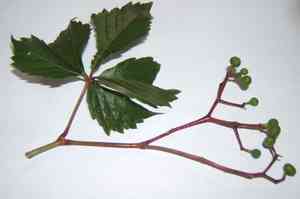
This robust climbing plant, recognized for its swift coverage of surfaces, significantly improves with careful trimming. For woodbine, reducing excessive vines in early spring or late winter preserves its form and stimulates robust development. It is advisable to eliminate deceased or injured stems, then thin the plant to enhance air movement. Trimming also enables management of its expansion, averting intrusion on adjacent flora and constructions. Particular focus should be placed on regulating its quick development and pervasive nature.
What Are the Benefits of Pruning Woodbine?
What Are the Benefits of Pruning Woodbine?
Trimming woodbine promotes more vigorous development, ensuring strong health and vitality. It also assists in maintaining its desired form, limiting its spread to a specific area for a tidier look.
What Is the Best Time for Pruning Woodbine?
What Is the Best Time for Pruning Woodbine?
Pruning in late winter and early spring benefits woodbine as this period precedes new growth. Trimming at this time allows gardeners to shape the plant without stressing new shoots and leaves. Furthermore, since woodbine is dormant in winter, cutting back the plant when inactive minimizes disease transmission risk and reduces sap loss. This timing also avoids interfering with flowering and fruiting, as woodbine flowers on new wood. Properly timed pruning ensures robust growth in the coming season and maintains plant health.
What Tools Do I Need to Prune Woodbine?
Hand Pruners
Ideal for cutting through small stems and twigs of woodbine. They provide clean cuts without harming the vine's delicate structure.
Loppers
Perfect for reaching into the dense growth of woodbine to trim thicker stems that hand pruners cannot manage, ensuring precise cuts without user strain.
Pruning Saw
Essential for cutting through mature stems and branches of woodbine that have become too thick for loppers and hand pruners.
Hedge Shears
Useful for shaping and maintaining the form of woodbine, especially for trimming excess growth along the edges of its designated growing area.
Gloves
Protective gloves are crucial to shield hands from potential scratches while pruning woodbine.
How to Prune Woodbine
Step1: Timing Pruning Season
Select the appropriate time of year to prune woodbine, ideally during late winter or early spring before new growth commences. This timing helps prevent cutting away any new buds or flowers that will develop during the growing season.
Step2: Inspect Plant for Trimming
Examine woodbine to identify which parts need trimming: focus on old stems that have ceased vigorous growth, diseased wood that could spread infection, and faded flowers to encourage new growth.
Step3: Prepare and Sterilize Tools
Utilize clean, sharp pruning shears or a saw for larger, woody stems. Disinfect your tools with rubbing alcohol or a bleach solution to prevent disease transmission between cuts.
Step4: Trim Aged Stems
Begin by trimming old stems of woodbine, cutting back to a healthy bud or the plant's base, depending on the desired size and shape. Old stems often appear more rigid and may have peeling bark or a grayish color.
Step5: Remove Diseased Wood
Eliminate any diseased wood by making cuts at least several inches into healthy, uninfected tissue to ensure all affected parts are removed. Dispose of these trimmings separately to prevent contamination of your compost or garden.
Step6: Deadhead Faded Flowers
Snip off wilted flowers of woodbine after they fade. Lightly cut back to just above the first leaf set below the faded flower. This can sometimes stimulate a second flush of flowers or lead to fuller foliage.
Step7: Shape Plant Form
Shape woodbine by trimming overgrown areas to maintain the desired form. While woodbine is a vigorous grower, avoid cutting more than one-third of the plant at a time as severe pruning can stress the plant.
Step8: Thin Dense Growth
Thin out dense growth to improve air circulation around woodbine, which can help prevent disease. Carefully remove selected stems by cutting them at their point of origin to maintain a natural growth pattern.
Step9: Clear Pruning Debris
Finish pruning woodbine by clearing away all trimmings and debris from the area to discourage disease and pests. Compost healthy trimmings, while disposing of any diseased material with waste.
Step10: Water and Mulch Post-Pruning
Water the plant after pruning to help woodbine recover from the stress of trimming and encourage new growth, if the soil is dry. Mulch can also be added around the base for moisture retention and weed suppression.
Post-Pruning Care for Woodbine
Post-Pruning Care for Woodbine
Immediately after pruning woodbine, ensure it receives adequate light but protect it from intense direct sun. Maintain ambient humidity and a stable temperature to reduce stress. Apply a balanced fertilizer to replenish nutrients and support new growth. Monitor woodbine for signs of wilting, discoloration, or infection, which often indicate stress or disease. Treat any issues promptly to prevent further damage. Consistent care post-pruning is crucial for woodbine's recovery and vitality.
Common Pruning Mistakes with Woodbine
Excessive Pruning Harms Plant Health
Removing too much growth at once, which can stress woodbine and result in weak, unhealthy plants.
Improper Timing Reduces Flowering
Cutting into old wood without realizing that woodbine primarily flowers on the current year's growth, potentially diminishing the plant's ornamental value.
Unclean Tools Spread Disease
Neglecting to sanitize pruning tools between cuts, risking the spread of diseases to woodbine or among other garden plants.
Over-Formalizing Distorts Natural Growth
Ignoring the plant's natural growth habit by attempting to over-formalize the shape of woodbine, which can lead to unnatural growth patterns and reduced vigor.
Unplanned Pruning Causes Damage
Pruning without a clear objective, which may result in haphazard cuts and damage to woodbine instead of improving its health and appearance.
Common Pruning Tips for Woodbine
Selective Thinning Enhances Health and Growth
Perform selective thinning of woodbine to open up the foliage, improve air circulation, and allow light to penetrate, which encourages healthy growth.
Clean, Angled Cuts Stimulate Proper Growth
Make clean, angled cuts just above a leaf node or bud to promote desirable outward growth and to avoid leaving stubs which can be entry points for disease.
Sharp Tools for Precise Cuts
Use sharp, well-maintained pruning tools to ensure precise cuts and minimize damage to woodbine's stems and branches.
Regular Pruning Controls Growth
Prune woodbine regularly to control its vigorous growth and prevent it from becoming invasive or overwhelming other plants in the vicinity.
Prune With Natural Form in Mind
When shaping woodbine, consider its natural tendency to form thickets and use pruning to guide its growth while maintaining a healthy, aesthetic form.
Remove Dead or Damaged Stems First
Remove dead, diseased, or damaged stems first to improve the overall health and appearance of woodbine, and to prevent potential problems from spreading.



