How to Overwinter Woodbine
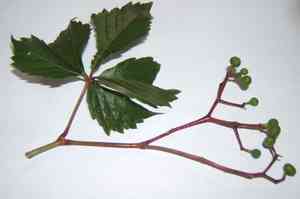
1
Woodbine is a robust plant, allowing it to withstand harsh winter weather.
2
Applying mulch prior to frost can aid in safeguarding your Woodbine's roots from very cold temperatures.
3
Periodically check your Woodbine after winter to address any harm and guarantee its flourishing in spring.
What Does Overwintering Mean for Woodbine?
What Does Overwintering Mean for Woodbine?
Overwintering refers to the process of preparing and protecting plants during the cold winter months to ensure they survive and thrive when spring arrives. For Woodbine, a hardy plant known for its robust nature and beautiful autumn foliage, overwintering is particularly crucial to prevent frost damage and to ensure healthy growth in the coming season. Implementing the right overwintering techniques will help your Woodbine come through the winter unscathed.
Preparing Woodbine for Overwintering
Pruning and Cleaning Before Winter
Begin by pruning your Woodbine before the onset of winter. This involves trimming back any dead or diseased branches to prevent rot and disease from spreading during the dormant season. Additionally, clear away any fallen leaves or debris around the base of the plant to reduce the risk of pests and fungal infections.
Mulching the Base
Mulching is an essential step in preparing your Woodbine for winter. Apply a layer of mulch, about 5-10 cm (2-4 inches) thick, around the base of the plant. This acts as an insulating layer, helping to maintain soil temperature and moisture levels, thus protecting the roots from extreme cold.
Watering Needs Before Frost
Ensure your Woodbine is well-hydrated before the first frost hits. Water the plant thoroughly, as hydrated plants are more resilient to cold damage. However, avoid overwatering, which can lead to root rot. Aim for the soil to be moist but not waterlogged.
How to Protect Woodbine from Severe Frost
Using Frost Cloths
On particularly cold nights, use frost cloths or burlap to cover your Woodbine. These materials provide an extra layer of protection against freezing temperatures. Ensure the cloth is secured properly but allows for some airflow to prevent mold growth.
Applying Anti-desiccant Sprays
Anti-desiccant sprays can be applied to the foliage of Woodbine to protect it from winter dehydration. These sprays coat the leaves with a thin, protective layer that helps prevent moisture loss during dry, cold periods. Apply the spray as per the manufacturerâs guidelines, usually before the first frost.
Post-Winter Care for Woodbine
Inspect for Winter Damage
As spring approaches, inspect your Woodbine for any signs of winter damage. Look for broken branches, frostburn on the leaves, and any potential disease. It's essential to address these issues promptly to facilitate healthy new growth.
Spring Pruning Tips
In early spring, perform a thorough pruning of your Woodbine. Remove any dead or damaged wood and trim back overgrown areas to shape the plant. This not only helps in maintaining a healthy structure but also promotes vigorous new growth.
Fertilizing After Winter
Once you've pruned your Woodbine and the risk of frost has passed, it's time to fertilize. Use a balanced, slow-release fertilizer to provide essential nutrients that support robust spring growth. Follow the recommended dosage instructions to avoid over-fertilizing, which can damage the plant.



