Enhancing Your Garden Design with the Woodbine Plant: A Landscaping Guide
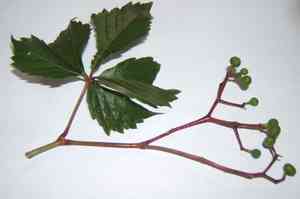
1
Virginia creeper thrives in diverse environmental settings, making it a flexible option for numerous garden designs.
2
The changing look of Virginia creeper with the seasons can enhance your garden's aesthetic appeal year-round.
3
Appropriate care for Virginia creeper guarantees it enhances, rather than dominates, other flora in your outdoor space.
Understanding the Growth Pattern of Woodbine
Typical growth habits and speed
Woodbine is recognized for its swift development and climbing prowess, making it a favored option for gardeners aiming to quickly cover expansive areas. It commonly achieves impressive lengths within a single growing season, which can be beneficial for establishing green walls or concealing unattractive structures. The plant's capacity to ascend using tendrils enables it to cling to various surfaces, including fences, trellises, and even trees.
Seasonal changes in appearance
A captivating characteristic of Woodbine is its evolving look throughout the year. In spring, the plant bursts forth in vivid green, offering a fresh and lively backdrop. As summer progresses, the foliage thickens, providing dense coverage. By autumn, Woodbine undergoes a striking transformation, with leaves shifting to various shades of red, orange, and purple, adding a splash of color to the scenery. This seasonal alteration not only boosts visual appeal but also signifies the plant's adaptability to diverse climatic conditions.
How Woodbine interacts with other plants
Woodbine can coexist peacefully with other flora in your garden. Its climbing nature allows it to grow vertically, which can conserve ground space for other plant species. However, it's crucial to supervise its growth to ensure it doesn't overshadow smaller plants. When paired with complementary plant varieties, Woodbine can create a layered and textured garden landscape, enhancing the overall aesthetic.
Choosing the Right Location for Woodbine in Your Garden
Considerations for sunlight and shade
Woodbine thrives across a spectrum of light conditions, from full sun to partial shade. Nevertheless, for optimal growth and leaf coloration, planting it in an area receiving several hours of daily sunlight is advised. Excessive shade can result in leggy growth and diminished vibrancy in foliage color. Observing your garden's light patterns will aid in selecting the prime spot for Woodbine.
Soil types preferred by Woodbine
Woodbine is quite adaptable regarding soil types, but it flourishes best in well-draining substrates. Whether your garden soil is sandy, loamy, or clay, this resilient plant can establish its roots with relative ease. For superior results, consider enriching the soil with organic matter like compost, which can improve drainage and supply vital nutrients.
Proximity to structures or other plants
When deciding where to plant Woodbine, consider its closeness to structures such as walls, fences, and pergolas, which can support its climbing habit. It's also essential to maintain an appropriate distance from other plants to prevent competition for nutrients and sunlight. Proper spacing ensures Woodbine can grow freely without overwhelming nearby plants, preserving your garden's health and aesthetic balance.
Incorporating Woodbine into Various Landscape Themes
Using Woodbine in traditional garden designs
In traditional garden designs, Woodbine can be employed to craft classic, romantic, and naturalistic settings. Its lush foliage and vibrant seasonal hues complement the symmetrical and structured elements typical of traditional gardens. Whether draped over an arbor or woven through a garden trellis, Woodbine imparts a sense of timeless beauty and sophistication.
Innovative ideas for modern landscapes
For modern landscapes, Woodbine offers a versatile option to introduce greenery into sleek and contemporary designs. Its rapid growth and ability to cover large surfaces make it perfect for green walls and living fences, creating a natural contrast against minimalist architecture. Additionally, utilizing Woodbine to establish vertical gardens can provide a modern touch while maximizing space in urban environments.
Combining Woodbine with hardscaping elements
Integrating Woodbine with hardscaping elements like stone walls, pathways, and water features can elevate your landscape's visual appeal. The plant's capacity to soften harsh lines and add a touch of nature to solid surfaces creates a harmonious balance between natural and built environments. This combination can transform your garden into a cohesive and inviting space.
Maintenance Tips for Long-Term Health of Woodbine
Basic upkeep and pruning strategies
Regular maintenance is crucial for keeping Woodbine healthy and looking its best. Pruning should be performed annually to remove any dead or overgrown branches, ensuring the plant maintains a manageable size and form. It's ideal to prune during early spring before new growth commences. Furthermore, occasional trimming throughout the growing season can help manage its spread and encourage denser foliage.
Managing growth to prevent overrunning
Woodbine is known for its vigorous growth, which, if left unchecked, can lead to it dominating other plants and structures. To prevent this, establish a routine of monitoring and cutting back excessive growth. Installing physical barriers such as trellises or arbors can also help guide its growth in a controlled manner, preventing it from becoming invasive.
Seasonal care variations
Seasonal care for Woodbine involves adapting maintenance practices to the changing climate. In spring and summer, focus on consistent watering and feeding with a balanced fertilizer to support new growth. During autumn, enjoy the changing colors but prepare for winter by mulching around the base to shield the roots from frost. Proper year-round care ensures Woodbine remains a vibrant and healthy addition to your landscape.



