How to Propagate Woodbine?
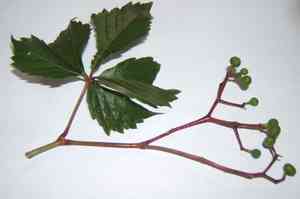
Woodbine is a ligneous climbing plant that can be reproduced via softwood cuttings or by layering in the spring or summer seasons. The challenge level for propagation is average, and successful rooting is indicated by the emergence of new root development. It is advisable to maintain the cutting or layered branch in a damp environment and under diffused light until it has taken root.
Optimal Time for Woodbine Propagation
Propagation Method
Cutting
Propagation Period
Spring,Summer
Tools for Woodbine Propagation
Sharp pruning shears
Essential for taking woodbine cuttings, sharp shears ensure clean cuts without damaging plant tissue, which is vital for the cutting's health. Clean cuts help prevent disease and promote faster healing and root formation.
Rooting hormone powder or gel
Applied to the cut end of woodbine cuttings, rooting hormone boosts root development and improves propagation success. It contains synthetic auxins that mimic natural plant hormones to encourage root initiation.
Sterile potting mix
A sterile potting mix offers a disease-free environment for woodbine cuttings to root. Its structure should drain well yet retain enough moisture to support root growth without becoming waterlogged, which can lead to rot.
Propagation tray with dome
This tray maintains high humidity around woodbine cuttings, ideal for root development. The dome prevents excessive water loss, keeping cuttings hydrated until they can establish their own root systems.
Heat mat
A heat mat gently warms the base of the propagation tray, stimulating root growth in woodbine cuttings. Optimal temperatures can accelerate rooting and increase propagation success rates.
Misting bottle
Used to maintain humidity around woodbine cuttings, especially crucial in the early stages of propagation when cuttings have not yet developed roots to absorb water.
Caring for Newly Propagated Woodbine
Caring for Newly Propagated Woodbine
Once the woodbine cutting has rooted, indicated by new growth, gradually acclimate it to lower humidity by removing the plastic cover if used. Move the woodbine to its permanent spot, ensuring it has climbing support, as it's a vining plant. Provide ample water, well-drained soil, and sunlight, adjusting care to its vigorous growth. Regularly check for pests and diseases and prune as needed to maintain desired shape and size.
Common Propagation Mistakes with Woodbine
Overwatering cuttings
Moisture is vital for rooting, but too much can cause root rot and fungal diseases. Overwatering can suffocate developing woodbine roots and hinder successful propagation.
Neglecting humidity requirements
While woodbine doesn't need extremely high humidity to propagate, maintaining moderate humidity can prevent cuttings from drying out and failing to root.
Using non-sterile tools
Propagation involves fresh cuts that can expose woodbine to pathogens. Dirty tools can introduce bacteria or fungi, leading to infections and poor propagation outcomes.
Cutting in the incorrect node area
Choosing the wrong part of the vine can lead to unsuccessful rooting. Nodes are crucial for root development in woodbine, and cutting too far from them can impede rooting.
Planting cuttings too deep
Inserting woodbine cuttings too deeply into the soil can cause the stem to rot before rooting occurs.
Woodbine Propagation Tips
Proper node selection
Choosing a woodbine segment with at least one healthy node, where roots are most likely to form, increases the chances of successful rooting.
Use of rooting hormone
Applying rooting hormone to the cut end of the woodbine cutting can stimulate root growth and improve the overall success rate of propagation.
Correct cutting length
Woodbine cuttings should typically be 4-6 inches long with several leaves, ensuring enough energy for root development without being too large to sustain.
Appropriate soil mix
Using a well-draining potting mix for woodbine cuttings helps prevent waterlogging and other issues that could hinder root growth.
Correct planting depth
Placing woodbine cuttings so the node is just below the soil surface ensures potential roots have easy access to soil without being too deep, which can lead to stem rot.



