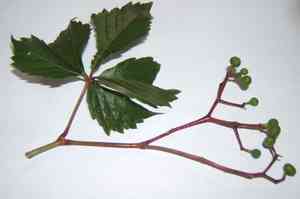
Woodbine (Parthenocissus vitacea)
Also known as: False virginia creeper
Woodbine (Parthenocissus vitacea) is a native U.S. plant that attracts insects like sweat bees and tumbling flower beetles. These insects visit the plant's flowers to gather pollen.
In This Article
Attributes of Woodbine
Lifespan
Perennial
Plant Type
Vine
Plant Height
20 m
Spread
15 m to 20 m
Leaf Color
Green Blue White
Flower Size
6 cm to 12 cm
Flower Color
Yellow Green
Images of Woodbine
Quickly Identify Woodbine
1
Identify Parthenocissus vitacea by its compound leaves with five leaflets, tendrils with adhesive discs, and small blue-black berries. Additionally, its leaves turn a brilliant red color in autumn.
Scientific Classification of Woodbine
Phylum
Vascular plants
Class
Dicotyledons
Order
Vitales
Family
Grape
Genus
Parthenocissus
Species
Woodbine
Planting and Growing of Woodbine
Care Difficulty
Easy
Watering Schedule
Every 3 days
Sunlight Requirements
Full sun
Sunshine Duration
4-6 hours
Ideal Temperature
60-75℉
Soil Type
Potting Mix, Peat Mix
Soil pH
6.5-7.5
Fertilizer Type
Balanced
Pruning Season
Spring, Summer
Pruning Area
Branches, Leaves
Pruning Frequency
2 times a year
Repotting Season
Spring
Pot Type
Plastic, Ceramic
 How to Water Woodbine?
Parthenocissus vitacea, commonly known as Virginia Creeper, needs a generous 500ml of water per session. Water thoroughly until the soil is moist but not waterlogged, allowing excess to drain out at the bottom. Aim for a balance where the soil remains consistently moist but not drowning.
More About Watering Techniques→
What are the symptoms of an underwatered Woodbine?
›
What should I do if my Woodbine is not getting enough water?
›
What are the symptoms of an overwatered Woodbine?
›
How to save an overwatered Woodbine?
›
 What Are the Sunlight Requirements for Woodbine?
Parthenocissus vitacea thrives in full to partial sun, benefiting from 4 to 6 hours of direct or filtered sunlight daily. Ideal lighting promotes vigorous growth and strengthens its climbing tendencies, enhancing its ornamental value.
More About Sunlight Requirements Techniques→
What is the ideal light for Parthenocissus vitacea?
›
How can I provide the best lighting?
›
Why are ideal lighting conditions important?
›
 What Is the Ideal Temperature Range for Woodbine?
The ideal temperature range for cultivating Parthenocissus vitacea is between 60°F and 75°F. This range provides the perfect conditions for the plant to thrive, promoting healthy growth and vigorous foliage. Maintaining consistent temperatures within this range ensures optimal metabolic processes in the plant, enhancing its overall vitality and resilience.
 What Soil is Best for Woodbine?
Parthenocissus vitacea thrives best in well-draining soil which allows for proper moisture balance and root health. This reduces the risk of root rot and ensures that nutrients are adequately accessible for uninterrupted vine growth. Having a nutrient-rich soil is essential for Parthenocissus vitacea to ensure robust growth and vibrant foliage. An abundance of organic matter supports consistent nutrient availability, vital for the plant's coloration and overall health. While drainage is vital, the soil should also have some capacity to retain moisture, ensuring that the plant does not dry out between watering. This balance is crucial for maintaining the vine's lush appearance and vigor.
More About Soil→
 How to Fertilize Woodbine?
For Parthenocissus vitacea, apply a balanced fertilizer at a rate of 1/2 cup per mature vine. Ensure even distribution around the root zone for optimal nutrient uptake.
More About Fertilizing Techniques→
 How to Prune Woodbine?
Begin by removing any dead or damaged vines. These parts will not contribute to new growth and can harbor pests or disease. Cut them all the way back to their base. Decide on the shape you want for your Parthenocissus vitacea. Follow the natural growth patterns and gently guide the vines towards a framework, trellis, or wall. Cut back to a healthy bud pointing in the direction you want future growth. If the plant is overgrowing its space, cut back the longest vines. This will help prevent the plant from overwhelming nearby plants or structures. Always prune above a bud or leaf node to encourage bushy growth.
More About Pruning Techniques→
 How to Propagate Woodbine plant?
1
Gather mature seeds from healthy Parthenocissus vitacea plants. Ensure seeds are dried properly to prevent mold and stored in a cool, dry place until needed for planting.
2
Use a well-draining mix of compost and sand for planting seeds or cuttings of Parthenocissus vitacea. Ensure it is moist but not waterlogged to encourage root growth.
3
For layering propagation, bend a low-growing branch to the ground and cover part of it with soil, making sure the tip remains exposed. Secure it with garden pins, and roots should form in a few months.
 How to Repot Woodbine plant?
1
Parthenocissus vitacea should be repotted when roots start emerging from the drainage holes or when its growth becomes sluggish despite proper care. Early spring or autumn are ideal times for this task as the plant is in a more dormant state, reducing transplantation shock.
2
Select a pot that is just a couple of inches larger in diameter than the current one. It should have drainage holes to prevent water logging. The new pot size ensures space for growth while minimizing the risk of overwatering, which can lead to root rot.
3
Use a well-draining potting mix. This soil should retain some moisture but allow excess water to drain freely. Such a mix mimics the plant's natural environment, promoting healthy root development and preventing waterlogged conditions.
Toxicity
Ingestion
WARNING
The judgment on toxicity and danger is for reference only. We DO NOT GUARANTEE any accuracy of such judgment. Therefore, you SHALL NOT rely on such judgment. It is IMPORTANT TO SEEK PROFESSIONAL ADVICE in advance when necessary.



