How to Prune Chincherinchee?
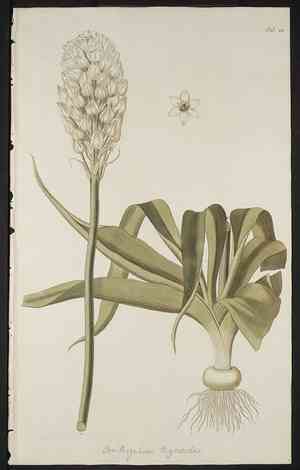
A bulb-forming plant from South Africa, the chincherinchee, recognized for its star-like white blossoms, thrives with the removal of faded flowers following their bloom to stimulate fresh development. Detach withered flower stems at their base, ensuring not to cut the leaves, as they accumulate energy for the subsequent growing period. Perform trimming in the spring and summer, after the flowering phase, and decrease irrigation in autumn to facilitate its dormant state. Trimming boosts the plant's health and can avert potential illnesses by improving air movement.
Advantages of Trimming Chincherinchee
Advantages of Trimming Chincherinchee
Trimming chincherinchee promotes more abundant flowering and vigorous development. It aids in maintaining a desired form, managing size for visual appeal and practical garden upkeep. Such attention prevents excessive growth and ensures vitality.
Optimal Time for Trimming Chincherinchee
Optimal Time for Trimming Chincherinchee
Trimming or cutting back chincherinchee is best performed in late spring to early summer, after its flowering cycle concludes. This timing ensures the removal of faded blossoms before seed formation, which helps redirect the plant's energy towards vegetative growth and future blooms. Furthermore, this period allows chincherinchee to recover and produce new foliage during the active summer growth phase, without risking frost damage to fresh cuts. Seasonal considerations also include avoiding pruning in fall, as this can stimulate new growth vulnerable to cold winter temperatures. Overall, the chosen seasons minimize stress on chincherinchee and support its health and vigor.
Tools Required for Trimming Chincherinchee
Bypass Pruners
These are perfect for cutting through the slender stems of chincherinchee. They create neat cuts that heal more quickly, which is vital for the health of chincherinchee.
Gloves
Gloves are crucial for protecting hands from sap and sharp edges while trimming chincherinchee.
Garden Scissors or Snips
These are useful for deadheading or removing spent flower stalks of chincherinchee. Precise cuts are important to avoid damaging adjacent stems or new growth.
How to Trim Chincherinchee
Clean Tools
Before beginning the trimming process for chincherinchee, ensure all pruning tools are clean and sanitized to prevent disease spread.
Remove Diseased Leaves
Carefully inspect chincherinchee and remove any diseased leaves by cutting them at the base where the leaf stem meets the main plant. Dispose of these leaves properly to avoid contamination.
Trim Withered Leaves
Identify and trim away any withered leaves from chincherinchee, cutting them where the leaf stem connects to the main plant. This encourages vigorous growth and maintains a neat appearance.
Deadhead Flowers
Deadhead the faded flowers of chincherinchee by snipping the flower stem just above the first healthy set of leaves. This promotes more blooms and prevents the plant from expending energy on seed production.
Post Trimming Care
After trimming chincherinchee, water the plant if the soil is dry and apply a balanced fertilizer to aid recovery and future growth.
Common Trimming Errors with Chincherinchee
Excessive Trimming
Removing too much foliage from chincherinchee at once can stress the plant, potentially leading to reduced flowering or even plant demise.
Trimming Too Early Or Late
Cutting back chincherinchee before it has finished blooming or too late after the flowers have faded can prevent the plant from storing sufficient energy for the next season.
Incorrect Tool Use
Using dull or dirty trimming tools on chincherinchee can damage plant tissues, leading to disease or poor healing.
Neglecting Deadheading
Failing to remove spent flowers from chincherinchee regularly can result in decreased blooming, as the plant may begin to focus energy on seed production rather than flowering.
General Trimming Advice for Chincherinchee
Clean Cuts
Ensure you use sharp, clean pruning shears on chincherinchee to prevent infection and encourage healthy regrowth.
Follow The Stem
Trim chincherinchee's spent flowers by following the stem down to the plant's base to encourage new blooms and maintain a tidy appearance.
Leave Foliage
After flowering, leave the foliage of chincherinchee in place until it has yellowed and withered. This allows the plant to absorb sunlight and store energy for the next season.
Moderate Trimming
When trimming chincherinchee, be conservative, removing only the necessary parts to shape the plant and eliminate unhealthy or spent growth.



