The Chincherinchee Plant Advantage: Maximizing Home and Office Appeal and Wellness
1
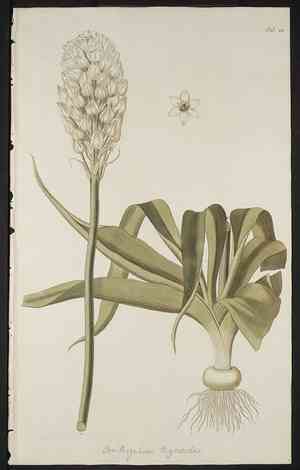
Ornithogalum thyrsoides yields lovely, enduring flowers suitable for decorative landscapes.
2
This species is recognized for its straightforward growth and minimal upkeep needs.
3
The severed blossoms of Ornithogalum thyrsoides can persist for several weeks, making them excellent for interior displays.
Why Chincherinchee is a Must-Have for Your Garden
Exceptional Visual Charm
A primary reason to cultivate Chincherinchee in your garden is its remarkable visual appeal. This plant produces clusters of white, star-shaped blossoms that can illuminate any garden space. Its flowers are truly captivating, often drawing admiration from both casual observers and dedicated gardeners. Strategically positioned, Chincherinchee can serve as a focal point or a harmonious complement to other plants, contributing to a balanced and inviting landscape.
Minimal Upkeep Requirements
Another outstanding characteristic of Chincherinchee is its low maintenance needs. Unlike many other ornamental plants, Chincherinchee is relatively simple to grow and care for. This makes it an excellent option for both novice and busy gardeners. Once established, Chincherinchee is drought-tolerant and generally resistant to pests and diseases. Providing it with well-draining soil and a sunny or partially shaded location ensures a vibrant display season after season.
Practical Advantages of Cultivating Chincherinchee
Extended Flowering Period
A significant benefit of planting Chincherinchee is its prolonged blooming period. The flowers can persist for several weeks, offering extended enjoyment. This trait makes Chincherinchee a practical choice for anyone aiming to maximize their garden's visual impact without frequent plant replacements. You can savor its beauty for an extended duration, providing your garden with a consistent look throughout its flowering season.
Perfect for Cut Flower Displays
Beyond its garden appeal, Chincherinchee is ideal for cut flower arrangements. The blooms are notably long-lasting once cut, retaining their freshness for weeks. This makes Chincherinchee a favorite among florists and a wonderful choice for those who enjoy bringing nature indoors. A vase filled with Chincherinchee can add elegance to any room, making it perfect for decorative purposes without the need for frequent replacements.
How to Grow and Maintain Chincherinchee
Planting Guidelines
When planting Chincherinchee, timing and placement are critical. Plant the bulbs in autumn for spring blooms, ensuring they are placed in well-draining soil. Space the bulbs approximately 6 inches apart and plant them 3 inches deep. The chosen site should receive ample sunlight, though partial shade can also be sufficient.
Watering and Nutrient Supply
Chincherinchee does not require frequent watering once established. However, during dry spells, ensure the soil remains moderately moist. Over-watering can lead to bulb rot, so balancing moisture levels is crucial. Regarding fertilization, applying a balanced, slow-release fertilizer in the fall can provide essential nutrients for healthy growth. Avoid excessive fertilization, as this can be detrimental.
Seasonal Care and Common Problems
Winter Protection
In areas with harsh winters, it's advisable to offer some protection for Chincherinchee. Mulching can provide insulation against extreme cold and help maintain soil moisture. In milder climates, the plant generally thrives without additional protection.
Typical Issues and Remedies
Although Chincherinchee is relatively robust, it can occasionally encounter problems like bulb rot due to overwatering and aphid infestations. Addressing these issues promptly can prevent lasting damage. Ensuring proper drainage and monitoring soil moisture can reduce the risk of rot. For aphids, a gentle spray with soapy water or the use of horticultural oils can effectively manage infestations without harming the plant.



