Enhancing Your Garden Design with the Chincherinchee Plant: A Landscaping Guide
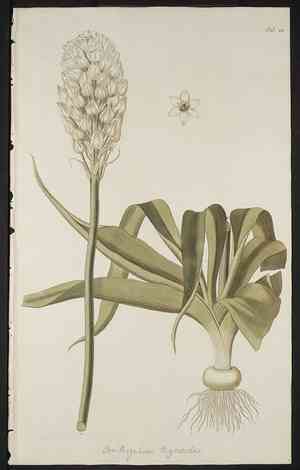
1
Chincherinchee adapts well to various garden spots, flourishing in both bright and low-light conditions.
2
Combine Chincherinchee with plants providing diverse hues and textures to craft attractive garden arrangements.
3
Consistent care and seasonal modifications guarantee Chincherinchee's continuous prosperity.
Introducing Chincherinchee to Your Garden
Reasons to Choose Chincherinchee for Landscaping
Selecting Chincherinchee for your garden design can significantly boost its aesthetic charm. Renowned for their hardiness and adaptability, Chincherinchee flourish in diverse soil types and weather conditions. This makes them an excellent option for gardeners seeking low-maintenance yet attractive flora. Furthermore, Chincherinchee draws in pollinators like bees and butterflies, fostering a healthier garden ecosystem.
The Visual Appeal of Chincherinchee
Chincherinchee is celebrated for its striking, long-lasting blossoms that lend an air of sophistication to any garden. Their vivid hues and distinct form make them stand out, serving as a focal point in your landscape design. Chincherinchee flowers can be utilized to craft stunning borders, groupings, or even as solitary features. Whether you aim to brighten a dull area or enhance your garden's overall beauty, Chincherinchee offers unmatched visual allure.
Where to Plant Chincherinchee for Maximum Impact
Identifying Ideal Locations in Your Garden
To maximize Chincherinchee's effect in your garden, it's crucial to select spots that highlight their beauty while meeting their growth needs. Consider planting Chincherinchee in areas where they are easily visible and appreciated, such as alongside paths, near entrances, or in elevated garden beds. Arranging them in clusters can also create a dramatic impression, making them a central feature in your landscape.
Considering Sunlight and Shade
Chincherinchee thrives in both full sun and partial shade, offering flexibility in placement. However, it's vital they receive ample sunlight, especially in the morning, to encourage robust growth and vibrant blooms. If planting in shaded areas, ensure they get some indirect light to prevent stunted development. Understanding your garden's light patterns will help position Chincherinchee optimally for thriving and showcasing their full splendor.
Pairing Chincherinchee with Other Plants
Complementary Plants for Chincherinchee
Combining Chincherinchee with complementary plants can enhance your garden's overall visual appeal. Consider plants that flower at different times to ensure continuous color throughout the seasons. Plants like ornamental grasses, perennials, and shrubs can provide a contrasting backdrop, emphasizing Chincherinchee's unique flowers. Aim for combinations that balance each other in terms of height, color, and texture for a more harmonious look.
Creating Color and Texture Contrast
Creating contrast in your garden using Chincherinchee can lead to striking visual effects. Use Chincherinchee's vibrant blooms against darker foliage to make them pop, or pair them with plants that have different textures, such as feathery grasses or broad-leafed perennials. The key is to experiment with combinations that highlight Chincherinchee while adding depth and variety to your landscape. This approach will make your garden more dynamic and visually engaging.
Maintaining Chincherinchee in Your Landscape
Basic Guidelines for Sustainability
To ensure Chincherinchee continues to enhance your landscape, follow some fundamental maintenance guidelines. Regular watering, especially during dry periods, is vital for their growth. However, be wary of overwatering as it can lead to root rot. Pruning dead or faded flowers encourages new growth and extends the blooming period. Additionally, applying a balanced fertilizer during the growing season can stimulate healthier and more vigorous development.
Seasonal Considerations for Chincherinchee
Taking seasonal changes into account is essential for Chincherinchee's optimal growth. In the spring, as the growing season commences, ensure the soil is well-prepared and enriched with compost. Summer demands consistent watering and occasional fertilization. In the autumn, consider mulching around the plants to retain moisture and protect the roots as temperatures drop. Winter may require minimal intervention, but ensuring well-drained soil can prevent waterlogging and root damage. Adapting your care routine to the seasons will help Chincherinchee flourish year-round.



