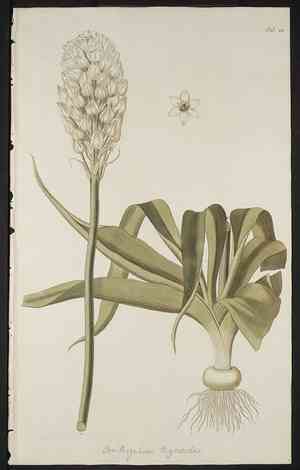
Chincherinchee (Ornithogalum thyrsoides)
Also known as: Wonder-flower, African wonder flower
Ornithogalum thyrsoides, commonly known as Chincherinchee, is a perennial plant native to South Africa. It blooms in the summer with conical clusters of white, star-shaped flowers and has received the Royal Horticultural Society’s Award of Garden Merit.
In This Article
Attributes of Chincherinchee
Lifespan
Perennial
Plant Type
Herb
Plant Height
29 cm to 50 cm
Spread
10 cm to 15 cm
Leaf Color
Green
Flower Size
5 cm
Flower Color
White
Images of Chincherinchee
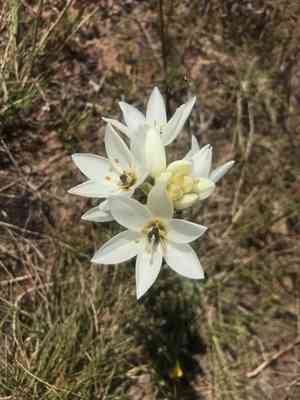
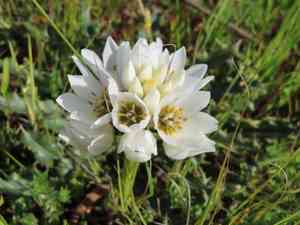
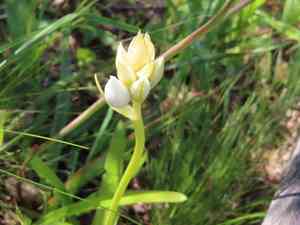
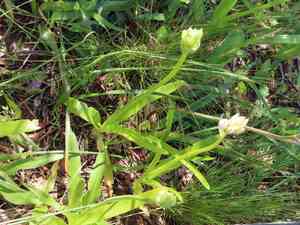
Quickly Identify Chincherinchee
1
Tapered leaves, 2 inches (5 cm) wide and 1 foot (30 cm) long, sprouting from a bulb.
2
Pyramidal clusters of white flowers with a darker eye, on 1-2 foot (30-60 cm) tall stalks.
3
Flowers have a star-like shape, 6 segments, typically white to pale yellow.
4
Blooms in late spring to early summer, exuding a light, pleasant fragrance.
5
Basal, narrow, strap-like leaves, 12-18 inches (30-45 cm) long with a light green midrib.
Scientific Classification of Chincherinchee
Phylum
Vascular plants
Class
Monocotyledons
Order
Asparagales
Family
Asparagus
Genus
Star-of-bethlehem
Species
Chincherinchee
Planting and Growing of Chincherinchee
Care Difficulty
Easy
Watering Schedule
Every 2 days
Sunlight Requirements
Full sun
Sunshine Duration
6-8 hours
Ideal Temperature
60-75℉
Soil Type
Potting Mix, Peat Mix
Soil pH
6.5-7.5
Fertilizer Type
Balanced
Pruning Season
Spring, Summer
Pruning Area
Branches, Leaves
Pruning Frequency
2 times a year
Repotting Season
Spring
Pot Type
Plastic, Ceramic
 How to Water Chincherinchee?
Ornithogalum thyrsoides requires moderate watering. Ensure the soil is moist but not waterlogged, allowing the top inch to dry out between waterings. This balance prevents root rot and supports vibrant blooms.
What are the symptoms of an underwatered Chincherinchee?
›
What should I do if my Chincherinchee is not getting enough water?
›
What are the symptoms of an overwatered Chincherinchee?
›
How to save an overwatered Chincherinchee?
›
 What Are the Sunlight Requirements for Chincherinchee?
Ornithogalum thyrsoides prefers a range of full to partial sun, harnessing at least 5 to 6 hours of light daily. This range supports robust flowering and healthy foliage development.
More About Sunlight Requirements Techniques→
What is the ideal light requirement?
›
How can I achieve the ideal light conditions?
›
What are the benefits of ideal light exposure?
›
 What Is the Ideal Temperature Range for Chincherinchee?
Ornithogalum thyrsoides thrives best when grown in temperatures ranging between 60°F and 75°F. This temperature range supports essential biological processes and ensures proper growth and blooming. Consistent warmth helps the plant maintain its metabolic functions and enhances its ornamental characteristics.
 What Soil is Best for Chincherinchee?
Ornithogalum thyrsoides thrives in well-drained soil, which helps prevent root rot and facilitates healthy growth. This soil condition allows excess water to escape, reducing the risk of stagnant water which can harm the plant. This plant prefers moderately fertile soil to support its nutritional needs. The balanced nutrient availability promotes vibrant blooms and robust foliage, making it a delight in any garden. Ornithogalum thyrsoides can tolerate slightly alkaline soil conditions, which can enhance nutrient uptake efficiency and ensure healthy development, especially if rich in calcium and magnesium.
 How to Fertilize Chincherinchee?
For Ornithogalum thyrsoides, ensure that you apply a balanced fertilizer at half the recommended strength. Liquid fertilizers should be diluted appropriately, as excessive nutrients can harm the plant’s root system. Using a mild concentration allows the roots to absorb nutrients slowly and prevents any potential nutrient burn. Aim for about 1 teaspoon of liquid fertilizer per gallon of water.
 How to Prune Chincherinchee?
To prune Ornithogalum thyrsoides, start by sterilizing your pruning shears to prevent disease spread. Begin by removing any dead, damaged, or diseased stems and foliage. Trim these parts back to their base or to a healthy outward-facing bud. Keep the plant's natural shape in mind, and ensure to cut at a 45-degree angle to promote better healing. Finally, inspect the plant for overcrowded areas and thin out as necessary to improve air circulation and sunlight penetration.
More About Pruning Techniques→
 How to Propagate Chincherinchee plant?
1
Start by collecting seeds from a mature Ornithogalum thyrsoides plant. Clean the seeds and let them dry for a few days before sowing. Prepare seedling trays with well-drained potting mix for better germination success.
2
Evenly distribute the seeds on the surface of the soil in seedling trays. Cover them lightly with a thin layer of soil to enhance contact with the moist environment, facilitating germination. Maintain consistent moisture by gently misting the soil.
3
For division propagation, lift the plant carefully using a trowel and separate the bulbs from the parent plant. Plant the bulbs in well-prepared soil, ensuring they are positioned at the same depth as they were previously to promote healthy growth.
 How to Repot Chincherinchee plant?
1
The perfect time to repot Ornithogalum thyrsoides is when you notice the roots starting to outgrow their current pot or if the soil becomes compacted. Ideally, aim for spring or summer when the plant is actively growing. Repotting during these times ensures the plant can quickly recover and establish itself in its new environment.
2
Choose a pot that is slightly larger than the current one, ideally one size up. This provides sufficient space for root expansion without excess soil that can retain too much moisture. Opt for pots with drainage holes to prevent waterlogging, which can lead to root rot, ensuring the plant's health and longevity.
3
Select a well-draining gritty mix, often recommended for bulbs. This kind of soil helps in avoiding water retention, which is crucial for Ornithogalum thyrsoides. A mix with components like perlite or sand ensures that the roots receive adequate aeration and nourishment while preventing overwatering.
Toxicity
ingestion
WARNING
The judgment on toxicity and danger is for reference only. We DO NOT GUARANTEE any accuracy of such judgment. Therefore, you SHALL NOT rely on such judgment. It is IMPORTANT TO SEEK PROFESSIONAL ADVICE in advance when necessary.



