How to Prune True forget-me-not?
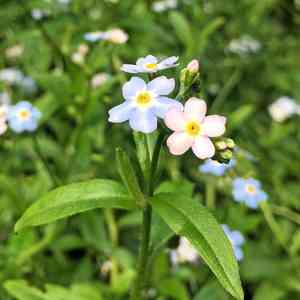
This aquatic perennial, which thrives in damp conditions, showcases vibrant blue blossoms with golden cores. To ensure the best health and abundant flowering for true forget-me-not, cut back the plant once it has bloomed to stimulate a subsequent flowering period. Strategic timing is crucial; perform pruning from the beginning of spring until the end of summer. Removing spent flowers encourages additional blooms, while reducing excessive growth helps preserve its form and improves air circulation, thereby averting illnesses. Eliminate any impaired or aged leaves to revitalize development. The advantages encompass more robust plants, increased floral displays, and regulated expansion.
What Are the Benefits of Pruning True Forget-me-not?
What Are the Benefits of Pruning True Forget-me-not?
Trimming true forget-me-not promotes vigorous development and maintains a neat appearance. Regular cutting fosters strong health and prevents excessive growth that can diminish the plant's beauty and vitality.
What Is the Best Time for Pruning True Forget-me-not?
What Is the Best Time for Pruning True Forget-me-not?
Pruning true forget-me-not in early spring, after the last frost, allows for the removal of winter damage and stimulates new growth as the plant enters its active phase. Late summer pruning should occur once flowering has finished, which helps prevent the plant from becoming leggy and encourages new blooms the following season. Pruning at these times aligns with true forget-me-not's natural cycle, avoiding cuts when it's preparing for dormancy in autumn or is susceptible to winter frost damage.
What Tools Do I Need to Prune True Forget-me-not?
Hand Pruners
For the delicate stems of true forget-me-not, sharp hand pruners, also known as secateurs, are perfect for making clean cuts without harming the plants.
Pruning Shears
These are suitable for cutting back overgrown sections and tidying up true forget-me-not, as they allow for more precise cuts on soft stems and leaves.
Gardening Gloves
Wearing gloves is advised to protect hands while pruning true forget-me-not, as the environment can be damp, potentially leading to slippery conditions.
Pruning Snips
These are excellent for deadheading spent true forget-me-not flowers or for thinning dense growth, thanks to their precision and ability to reach confined spaces.
Garden Scissors
Can be used for minor shaping and upkeep of true forget-me-not when only slight trimming is necessary.
How to Prune True Forget-me-not
Step1: Health Assessment Pre-Pruning
Evaluate the overall health of true forget-me-not before you start pruning to ensure it's the correct time to trim. Pruning should be done in spring after the last frosts to encourage healthy growth and more blooms. If deadheading, it can be done in summer after the flowers fade.
Step2: Sterilize Pruning Equipment
Sanitize your pruning shears with a solution of 1 part bleach to 9 parts water to prevent disease transmission. Rinse them with clean water and dry them before use.
Step3: Deadhead Spent Flowers
Begin with the dead flowers of true forget-me-not. Using your sanitized shears, snip the flower stems just below the spent flower head, immediately above the first set of healthy leaves. Be careful not to cut into the healthy growth.
Step4: Remove Unhealthy Leaves
Inspect true forget-me-not for any unhealthy or diseased leaves. Carefully remove these leaves by cutting them off at their base where they connect to the main stem. Do not tear the leaves as this can create jagged edges that are susceptible to disease.
Step5: Prune Spindly Growth Areas
Identify any areas of true forget-me-not with spindly growth that indicate insufficient sunlight or overcrowding. Prune these areas by cutting back to a side shoot or leaf that faces the direction you wish to encourage new growth towards.
Step6: Clean Tools Post-Pruning
After pruning, clean your tools again to prevent spreading any potential pathogens you may have encountered while cutting.
Step7: Proper Disposal of Pruned Materials
Dispose of all pruned material correctly, either by composting healthy plant matter or discarding diseased debris in the trash to avoid spreading any potential diseases in your garden.
Step8: Post-Pruning Watering
Water true forget-me-not thoroughly after pruning to help alleviate any stress on the plant and give it a good start on regrowth.
Step9: Fertilize After Pruning
Apply a balanced, all-purpose fertilizer following the pruning session to provide nutrients to true forget-me-not and support healthy new growth.
Post-Pruning Care for True Forget-me-not
Post-Pruning Care for True Forget-me-not
Immediately after pruning true forget-me-not, ensure it's well-hydrated to minimize stress. Maintain partial shade to prevent leaf burn, and keep ambient humidity high. Adjust temperatures to a cool to moderate range reflecting true forget-me-not's natural habitat. Apply a balanced liquid fertilizer to replenish nutrients; this aids recovery. Monitor true forget-me-not regularly for wilting or discolored leaves indicating stress or disease, and if such symptoms appear, promptly remove damaged foliage and review water and nutrient schedules to correct care regimen.
Common Pruning Mistakes with True Forget-me-not
Avoid Over-pruning: Max one-third foliage removal
Excessive pruning can lead to reduced vigor and fewer flowers for true forget-me-not. Avoid removing more than one-third of the plant's foliage at a time.
Use Clean, Sharp Tools: Prevent disease
Using dull or dirty pruning tools can harm the delicate stems of true forget-me-not, leading to disease and poor growth.
Clear Dead Material: Encourage healthy growth
Failing to remove dead or diseased material can hinder new growth and potentially spread disease throughout the plant.
Don't Prune in Wet Conditions: Stop fungal spread
Pruning true forget-me-not during periods of high moisture may expose cut surfaces to pathogens, risking fungal infection and decay.
Respect Plant's Natural Shape: Avoid arbitrary cuts
Ignoring the plant's natural growth habit by making random cuts can result in unnatural shapes that diminish the plant's aesthetic value and overall health.
Common Pruning Tips for True Forget-me-not
Sharp, Clean Cuts: Fast healing and disease prevention
Use sharp, clean pruning shears to ensure precise cuts that will heal quickly and minimize the risk of disease entering the wounds.
Deadhead Spent Flowers: Promote continuous blooms
Prune true forget-me-not by deadheading spent flowers to encourage continuous blooming and to maintain the plant's appearance.
Regularly Remove Withered Foliage: Improve air flow
Remove dead or dying foliage from true forget-me-not regularly to improve air circulation, which can help prevent disease and promote healthy growth.
Thin Crowded Areas: Enhance light and growth
Thin out crowded areas of the plant to increase light penetration and promote robust growth for true forget-me-not.
Trim After Flowering: Maintain plant's form
After flowering, lightly shape true forget-me-not if necessary by trimming back overextended or unruly stems, keeping the natural form of the plant in mind.
Compost Healthy Clippings: Dispose diseased material
Compost healthy clippings to recycle nutrients back into the garden, but always discard diseased or infested material away from plants.



