How to Propagate True forget-me-not?
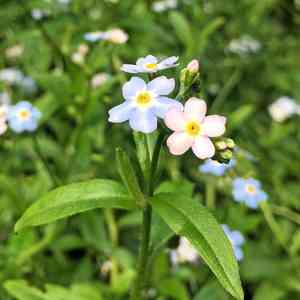
Myosotis scorpioides multiplies most effectively via separation during the prime periods of spring and fall. This propagation method is relatively straightforward, with fresh sprouts and foliage signaling successful establishment. Promote robust development by supplying adequately draining substrate and appropriate distances between plants.
When Is the Optimal Time to Propagate True Forget-me-not?
Propagation Method
Separation
Propagation Period
Spring, Autumn
What Tools Are Utilized for True Forget-me-not Propagation?
Garden Trowel
A garden trowel is vital for dividing true forget-me-not. Its function is to gently lift and separate root clumps without causing undue harm. A trowel with a slender, pointed blade is especially useful for true forget-me-not, allowing greater precision when handling the plant's delicate root system.
Pruning Shears
Pruning shears are employed to trim any dead or overgrown foliage before division. This helps lessen stress on true forget-me-not during the propagation process. Sharp blades are crucial for clean cuts that heal quickly and minimize disease risk.
Gardening Gloves
Gardening gloves safeguard the propagator's hands and ensure safe handling of true forget-me-not. They also offer improved grip when separating root clumps, particularly useful in slippery or wet soil conditions typical of true forget-me-not's preferred habitats.
Watering Can
A watering can with a fine rose attachment is needed to water newly transplanted true forget-me-not divisions. This tool provides a soft, even water flow, reducing soil erosion around roots and aiding the plant's establishment in its new spot.
Rooting Hormone
While not always essential, rooting hormone can be applied to the cut surfaces of root divisions to encourage faster root development in true forget-me-not. This is especially beneficial if divisions have few roots and need an extra boost for vigorous establishment.
Plant Labels
Plant labels are important for marking true forget-me-not divisions once they are transplanted into new pots or ground locations. This helps track growth progress and specific care needs during the establishment phase.
How to Propagate True Forget-me-not?
Propagation Method
Division
Difficulty Level
Simple
How to Care for Your Newly Propagated True Forget-me-not?
How to Care for Your Newly Propagated True Forget-me-not?
Post-propagation, keep the soil consistently moist but not waterlogged, as true forget-me-not prefers damp conditions. Provide partial to full shade; excessive sun can scorch leaves. Fertilize lightly monthly during the growing season with a balanced liquid fertilizer. Monitor for pests like aphids and slugs, controlling them as needed with appropriate methods. In winter, protect true forget-me-not in colder regions with mulch or move potted plants to a sheltered spot. Trim foliage after flowering to promote healthy growth next season.
Common Errors to Avoid When Propagating True Forget-me-not
Excessive Watering
Propagating true forget-me-not can lead to issues with too much moisture, potentially causing root rot. While true forget-me-not thrives in moist environments, overly saturated soil restricts oxygen to roots, leading to poor plant health and increased disease susceptibility.
Ignoring light requirements
Failing to provide adequate lighting during propagation can result in weak or leggy growth. True forget-me-not needs sufficient light to grow but should be shielded from intense, direct sunlight, which can harm delicate new growth.
Crowding cuttings
Placing cuttings too close together can restrict airflow and create a microclimate favorable for fungal growth. This close proximity can also lead to competition for resources, impeding the development of true forget-me-not.
Neglecting humidity
While true forget-me-not typically grows in moist environments, maintaining proper humidity during propagation is crucial. Insufficient humidity can cause cuttings to dry out, while excessive humidity might encourage fungal infections.
Using poor soil medium
Selecting an unsuitable soil medium that drains poorly or doesn't retain enough moisture can negatively impact the rooting success of true forget-me-not. Poor soil choice can result in either waterlogged conditions or dried-out cuttings.
Tips For Propagating True Forget-me-not
Soil selection
Use a soil medium that is fertile, well-draining, yet retains moisture to support true forget-me-not rooting. Peat-based or loamy soil with some sand or perlite can aid proper water retention and drainage.
Cutting depth
Insert true forget-me-not cuttings at the correct depth in the soil to ensure they remain upright and have sufficient contact with the soil for root establishment. Typically, a few inches deep will suffice.
Water management
Provide consistent moisture without overwatering. Water true forget-me-not when the top soil layer begins to dry, and ensure pots have drainage holes to prevent excess water accumulation.
Adequate spacing
Space cuttings sufficiently to allow ample airflow and reduce resource competition. Proper spacing promotes healthier growth and lowers the risk of fungal infections.
Indirect lighting
Place true forget-me-not cuttings in a location receiving bright, indirect sunlight. Appropriate light encourages photosynthesis and growth without the risk of sunburn or excessive heat stress.



