Enhancing Your Garden Design with the True forget-me-not Plant: A Landscaping Guide
1
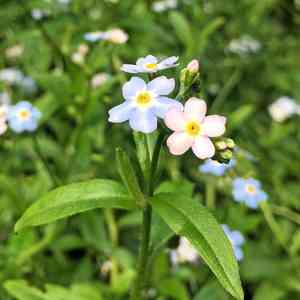
Myosotis scorpioides is recognized for its attractive blue blossoms that improve the aesthetic of any garden.
2
Myosotis scorpioides flourishes in damp earth and partial sunlight, making it adaptable to various garden environments.
3
This flora flowers from the beginning to the end of summer, offering an extended period of vibrant hues.
Why Choose True Forget-Me-Not for Your Garden?
Visual Appeal and Uniqueness: How True forget-me-not adds color and texture
True forget-me-not is a genuine treasure in the gardening world, celebrated for its delicate, sky-blue blossoms that impart a sense of tranquility and charm to any outdoor area. The small, dense clusters of flowers not only provide a burst of color but also introduce a fine texture that beautifully contrasts with plants having larger leaves. As a perennial, True forget-me-not ensures your garden remains vibrant and aesthetically pleasing year after year. It's the ideal plant for creating focal points, bordering garden beds, or adding a touch of color to shaded spots.
Growth Habit: Understanding the spreading nature of True forget-me-not
True forget-me-not exhibits a spreading growth pattern, making it perfect for ground cover or filling in spaces between other plants. It generally reaches a height of approximately 12 inches and can expand significantly under favorable conditions. This characteristic is especially beneficial for gardeners aiming to cover large areas with minimal effort. The plant's ability to spread can also help suppress weeds, reducing the need for frequent upkeep and creating a more refined look in your garden.
Seasonal Bloom: When does True forget-me-not flower?
True forget-me-not delights gardeners with its extended flowering period. You can anticipate its vivid blue blooms from early summer through late summer, offering several months of continuous beauty. This prolonged bloom time makes True forget-me-not an excellent choice for ensuring there's always something in flower, keeping your garden colorful and inviting throughout the growing season. Moreover, these flowers attract pollinators like bees and butterflies, adding another layer of life and activity to your garden.
Integrating True Forget-Me-Not into Various Landscaping Styles
Traditional Garden Designs: Placement and companion plants for True forget-me-not
True forget-me-not integrates seamlessly into traditional garden designs, where its classic hue and form can complement a variety of plants. Consider pairing True forget-me-not with other shade-loving perennials such as hostas and ferns, which offer contrasting foliage textures. In mixed borders, True forget-me-not can provide a soft, flowing element that unifies larger, more structured plants. It also performs well as an edging plant along pathways or garden beds, where its low stature and spreading habit contribute a cohesive, well-maintained appearance.
Modern Landscape Architectures: How True forget-me-not fits
Modern landscapes often emphasize clean lines and a minimalist aesthetic, yet True forget-me-not can still find a place in these settings. Utilize it in contemporary planter designs or as part of a green roof project, where its spreading nature helps cover surfaces uniformly. Its vibrant blue flowers can serve as a striking contrast against the sleek, monochromatic materials frequently used in modern designs. Additionally, True forget-me-not can be employed around water features or as part of a rain garden, contributing both beauty and ecological advantages.
True forget-me-not's role and benefits in Cottage Gardens
Cottage gardens are defined by their informal, free-flowing design, abundant with lush, colorful plants. True forget-me-not is a quintessential cottage garden plant, thriving in the moist, partially shaded conditions common in these gardens. Its ability to blend naturally with other perennials and annuals makes it ideal for creating the layered, textured look that cottage gardens are known for. Furthermore, True forget-me-not's appeal to pollinators aligns with the biodiversity often favored in cottage gardening.
Maintaining True Forget-Me-Not in the Landscape
Water Requirements: Optimizing irrigation for True forget-me-not
True forget-me-not prefers consistently damp soil, so regular watering is crucial, especially during dry periods. However, it's vital to prevent waterlogging, as this can lead to root rot. Installing a soaker hose or drip irrigation system can help provide even moisture without oversaturating the soil. Mulching around the plants can also help retain soil moisture and reduce the need for frequent watering.
Spacing for Growth: Best practices
When planting True forget-me-not, consider its spreading nature and allow each plant ample room to grow without becoming overcrowded. A spacing of approximately 12 inches between plants is typically sufficient to allow for healthy growth and air circulation, which can help prevent disease. Proper spacing also ensures that the plants have enough room to mature and display their full beauty.
Seasonal Care Tips: Preparing True forget-me-not for different seasons
To ensure True forget-me-not flourishes throughout the year, it's important to adjust your care practices to the changing seasons. In the spring, begin by clearing away any winter debris and checking soil moisture levels. During the summer, maintain consistent watering and watch for signs of stress or disease. As fall approaches, cut back any spent flowers and consider adding a layer of mulch to protect the roots from colder temperatures. In winter, True forget-me-not typically requires minimal care, but ensuring good drainage will help it survive until the next growing season.



