The True forget-me-not Plant Advantage: Maximizing Home and Office Appeal and Wellness
1
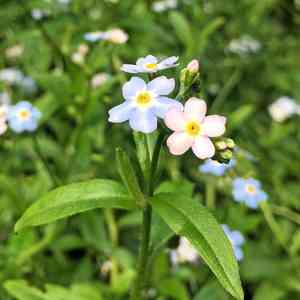
Myosotis scorpioides is a delightful plant recognized for its sky-blue blossoms.
2
It serves as a superb groundcover, flourishing in damp ground conditions.
3
Myosotis scorpioides draws in helpful insects, such as bees and butterflies.
Why Incorporate True Forget-Me-Not into Your Garden?
Enhancing Ecological Diversity
A primary reason to feature True forget-me-not in your garden is its capacity to draw in and sustain various beneficial insects. Bees, butterflies, and other pollinators are attracted to its vibrant blue blooms, assisting in the fertilization of nearby plants. This not only helps your garden thrive but also supports the wider ecosystem by supplying these crucial creatures with nectar and pollen.
Natural Ground Cover Solution
True forget-me-not flourishes in damp, shaded areas and spreads rapidly, making it an excellent ground cover. Its dense growth aids in suppressing weeds and preventing soil erosion. This can be especially advantageous in garden spots prone to invasive plant species or bare patches that are challenging to cultivate. By covering the ground, it also helps retain soil moisture, reducing the need for frequent watering.
How Does True Forget-Me-Not Improve Your Garden's Visual Appeal?
Striking Floral Displays
The bright blue blossoms of True forget-me-not create captivating floral arrangements that can beautify any garden space. These flowers bloom profusely during spring and early summer, adding a burst of color that contrasts beautifully with green foliage and other flowering plants. Placing True forget-me-not around borders, pathways, or garden ponds can generate eye-catching visual interest.
Flexible Planting Choices
Whether utilized as bedding plants, in hanging baskets, or alongside water features, True forget-me-not can be integrated into diverse garden designs. Its adaptability makes it suitable for both formal and informal garden settings. When combined with other plants, it can establish a harmonious and balanced garden palette that evolves naturally with the seasons.
What Are the Practical Advantages of Cultivating True Forget-Me-Not?
Effortless Upkeep
Gardeners will appreciate the low-maintenance characteristics of True forget-me-not. Once established, it requires minimal attention, making it perfect for both beginner and experienced gardeners. Regular watering and occasional trimming to manage its spread are typically all that's necessary to keep this plant healthy and vibrant.
Supporting Sustainable Gardening Practices
Growing True forget-me-not aligns with eco-friendly gardening methods. Its ability to attract pollinators contributes to the health and growth of other plants, fostering a more self-sustaining garden ecosystem. Furthermore, its natural ground-covering properties lessen the need for chemical weed control, contributing to a healthier garden environment.
How Can You Best Employ True Forget-Me-Not in Your Landscape?
Establishing Pollinator Routes
By planting True forget-me-not along paths or garden edges, you can create a sanctuary for pollinators. This not only boosts your garden's biodiversity but also supports the movement of these insects across broader landscapes. A series of True forget-me-not plantings can guide pollinators from one area to another, ensuring they have continuous access to nectar sources.
Complementing Water Features
True forget-me-not thrives particularly well in moist conditions, making it an ideal companion for garden ponds, streams, or water features. Planting it alongside these areas can soften the edges and create a natural, cohesive look. Additionally, its preference for wet soils means it can help stabilize the banks of water features, preventing erosion and maintaining water quality.
Can True Forget-Me-Not Be Used in Companion Planting?
Benefiting Vegetable Gardens
Beyond its decorative uses, True forget-me-not can be a valuable addition to vegetable gardens. Its capacity to attract pollinators can increase the yield of fruiting plants, such as tomatoes, cucumbers, and squash. Positioning True forget-me-not near these crops can encourage better pollination and thus enhance fruit production.
Harmonizing with Other Plants
True forget-me-not pairs well with a variety of plants, creating mutual advantages. Its low-growing habit allows it to coexist with taller plants, providing ground cover without competing for sunlight. Moreover, its presence can deter some pest species while attracting natural predators and pollinators, making it a valuable ally in integrated pest management.



