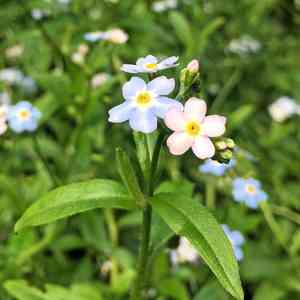
True forget-me-not (Myosotis scorpioides)
Also known as: Scorpion grass
The true forget-me-not (Myosotis scorpioides) is a perennial wildflower originally from Europe and Asia. It has also spread widely across North America, where it is occasionally regarded as invasive. The plant is sometimes referred to as scorpion grass due to the curved shape of its growth.
In This Article
Attributes of True forget-me-not
Lifespan
Perennial, Annual
Plant Type
Herb
Plant Height
70 cm
Spread
22 cm to 30 cm
Leaf Color
Green
Flower Size
4 mm to 8 mm
Flower Color
Blue White
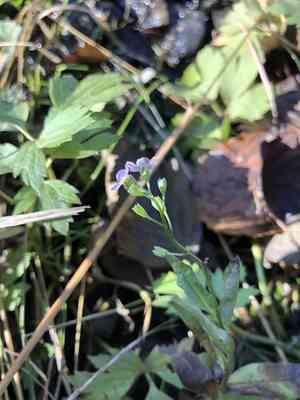
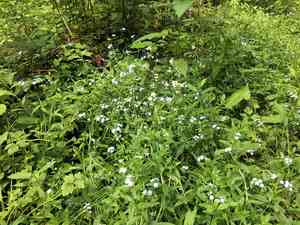
Images of True forget-me-not


Quickly Identify True forget-me-not
1
Flat wands of coiled tip branches
2
Sky-blue flowers with yellow centers
3
5 mm sky-blue petals with vibrant yellow eyes
4
Hairy, oblong leaves with undulate margins
5
Slightly hairy, angled green stems
Scientific Classification of True forget-me-not
Phylum
Vascular plants
Class
Dicotyledons
Order
Boraginales
Family
Borage
Genus
Forget-me-nots
Species
True forget-me-not
Planting and Growing of True forget-me-not
Care Difficulty
Easy
Watering Schedule
Every 12 days
Sunlight Requirements
Partial sun
Sunshine Duration
6-10 hours
Ideal Temperature
60-70℉
Soil Type
Potting Mix, Peat Mix
Soil pH
6.5-7.5
Fertilizer Type
Balanced
Pruning Season
Spring, Summer
Pruning Area
Branches, Leaves
Pruning Frequency
2 times a year
Repotting Season
Spring
Pot Type
Plastic, Terracotta
 How to Water True forget-me-not?
Myosotis scorpioides prefers moist conditions and should be watered such that the soil remains consistently damp but not waterlogged. Each watering should deliver approximately 250 milliliters of water, ensuring the soil is saturated without excess water pooling at the bottom of the pot. It’s important to ensure good drainage to prevent root rot.
What are the symptoms of an underwatered True forget-me-not?
›
What should I do if my True forget-me-not is not getting enough water?
›
What are the symptoms of an overwatered True forget-me-not?
›
How to save an overwatered True forget-me-not?
›
 What Are the Sunlight Requirements for True forget-me-not?
Myosotis scorpioides benefits from partial to full sun conditions, ideally between 4-6 hours daily. This exposure pattern ensures ample photosynthesis, promoting lush growth and enabling consistent flowering.
More About Sunlight Requirements Techniques→
What type of location is best for Myosotis scorpioides?
›
How to ensure optimal sunlight exposure indoors?
›
What are the benefits of ideal sunlight for Myosotis scorpioides?
›
 What Is the Ideal Temperature Range for True forget-me-not?
The ideal temperature range for Myosotis scorpioides, known as the water forget-me-not, is between 60°F and 70°F. This temperature range provides the perfect balance for growth and flowering, replicating the plant's natural habitats that are typically moist and cool. Maintaining this range helps ensure optimal enzyme activity and photosynthesis rates, contributing to a vibrant and healthy plant.
 What Soil is Best for True forget-me-not?
Myosotis scorpioides thrives in soil that can retain high moisture levels, as it mimics its natural wetland habitat. This moisture retention is crucial for the plant's growth and bloom, preventing wilting and ensuring the plant remains vibrant. This plant requires nutrient-rich soil, which provides essential minerals and nutrients that support its growth and flowering. Regularly enriching the soil with organic matter or compost can dramatically improve the plant's health. While Myosotis scorpioides enjoys moisture, the soil should also be well-drained to prevent root rot. Ensuring that excess water can escape helps maintain the plant's health and supports its development.
More About Soil→
 How to Fertilize True forget-me-not?
For Myosotis scorpioides, start with a modest amount of fertilizer; approximately 1 teaspoon of balanced liquid fertilizer diluted in a gallon of water per application. This ensures that the plant receives adequate nutrients without the risk of over-fertilization. Slow-release fertilizers should be used sparingly, at around 1 tablespoon per plant per year, to maintain soil fertility without causing nutrient overload.
More About Fertilizing Techniques→
 How to Prune True forget-me-not?
Begin by sterilizing your pruning shears to prevent the spread of disease. Trim back spent flowers to encourage prolonged blooming. Cut back any dead or diseased stems to the base to rejuvenate the plant. If the plant has grown too tall or leggy, trim by one-third to help maintain a compact form.
More About Pruning Techniques→
 How to Propagate True forget-me-not plant?
1
Begin by filling seed trays with a well-draining potting mix. Scatter seeds evenly across the surface and lightly cover with soil. Water gently and place in a warm spot with indirect sunlight.
2
Choose healthy stems and use pruning shears to take 5-10 cm cuttings. Remove lower leaves and dip the cut end in rooting hormone before planting it in a potting mix.
3
Carefully dig up mature plants in early spring. Gently separate clumps into smaller sections, ensuring each has roots attached, and replant immediately.
 How to Repot True forget-me-not plant?
1
The best time to repot Myosotis scorpioides is in the spring or early summer. You know it's time to repot if you notice roots circling on the soil surface or protruding from drainage holes. Additionally, if the plant's growth appears stunted or the water does not drain effectively, it also indicates that it's time for a new pot.
2
Select a pot with good drainage and is slightly larger than the current one, ideally one size bigger. The material can be clay or plastic, but ensure there are enough drainage holes. A larger pot allows room for roots to grow and helps prevent water stagnation, promoting healthy plant development.
3
Use a moisture-retentive potting soil, as Myosotis scorpioides thrives best in damp environments. A good mix retains moisture yet is well-draining, preventing root rot while ensuring the roots stay hydrated. Adding peat moss or perlite can enhance the soil structure, optimizing both aeration and moisture retention.
Learn More About True forget-me-not Diseases
Anthracnose
Bacterial Leaf Spot
Bacterial Soft Rot
Bacterial Wilt
Black Spot
Chemical Injury
Crown Gall
Cyst Nematode
Damping-off
Downy Mildew
Drought Stress
Fusarium Wilt
Gray Mold
Leaf Curl
Leaf Spot
Mosaic
Nutrient Deficiency
Nutrient Toxicity
Powdery Mildew
Root Rot
Root-knot Nematode
Rusts
Sooty Mold
Spider Mites
Temperature Stress
Thrips Damage
White Mold



