How to Prune Spring madia?
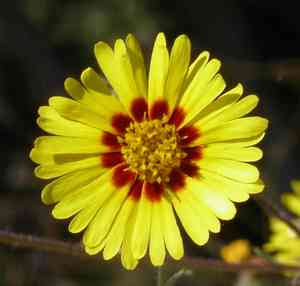
A lively annual recognized for its star-shaped blooms, spring madia flourishes with limited trimming. To foster a more compact form and extend its flowering period, systematically remove faded blossoms during spring, summer, and autumn. Following the blooming cycle, lightly cut back the plant to preserve its structure and prevent the scattering of seeds, if undesired. The most effective times for pruning coincide with periods of vigorous development and after the main flowering displays. Trimming not only contributes to a neat look but also encourages additional flowers, boosting spring madia's aesthetic appeal.
What Are the Benefits of Pruning Spring Madia?
What Are the Benefits of Pruning Spring Madia?
Trimming spring madia promotes robust development and helps maintain its desired shape. Regular cutting eliminates dead or weak foliage, fostering a stronger, healthier plant structure.
What Is the Best Time for Pruning Spring Madia?
What Is the Best Time for Pruning Spring Madia?
Late Spring offers an ideal period for pruning spring madia, coinciding with the conclusion of its active growth. Pruning at this point allows spring madia to channel energy into vigorous flowering, often resulting in a more abundant bloom. Early Fall is also suitable for trimming, as spring madia will have finished its flowering cycle and can be pruned to remove spent blossoms and manage its form without impacting the subsequent year's growth. These seasons ensure the plant retains vitality and minimizes stress, aligning with spring madia's natural life cycle and avoiding the dormant winter phase or peak summer growth.
What Tools Do I Need to Prune Spring Madia?
Bypass Hand Pruners
Spring madia is a medium-sized annual plant that benefits from deadheading and gentle shaping. Bypass pruners provide clean cuts, which help prevent damage and disease, making them perfect for this type of upkeep.
Pruning Shears
For smaller stems on spring madia, pruning shears allow for precision when thinning or removing unwanted growth. Their smaller blades enable meticulous cutting, which is ideal for detailed work on this plant.
Gardening Gloves
Though not a cutting tool, gardening gloves are crucial for protecting hands from scratches or irritants while pruning spring madia. Proper hand protection is advised for any pruning task.
Sharp Scissors
For delicate flowers and light trimming on spring madia, sharp scissors can offer precision without causing undue stress to the plant's smaller stems and foliage.
How to Prune Spring Madia
Clean tools
Sanitize all pruning tools before beginning to prevent the spread of disease to or from spring madia.
Inspect
Carefully examine spring madia for withered leaves. Identify foliage that is brown, dried out, or showing signs of decay.
Snip leaves
Use sharp, clean scissors to snip the withered leaves at their base, near the stem of spring madia, taking care not to harm healthy tissue.
Discard waste
Collect and dispose of all trimmed material from spring madia to prevent any potential disease spread or pest attraction.
Care post pruning
Monitor spring madia after pruning for signs of new growth or distress. Pruning stimulates growth, but can also make spring madia more susceptible to stressors.
Common Pruning Mistakes with Spring Madia
Over pruning
Removing too much foliage from spring madia can stress the plant and diminish its flowering potential. This is particularly harmful for spring madia, which requires a balance of growth to support its blooming cycle.
Improper cut locations
Cutting spring madia at the wrong spot is a frequent error. Cuts should be made just above leaf nodes, but misplaced cuts can lead to stunted growth or disease entry points.
Using dull tools
Gardeners often overlook the importance of sharp tools. Dull pruning shears can damage spring madia's stems, leaving jagged cuts that are vulnerable to pests and diseases.
Neglecting sanitation
Not sanitizing cutting tools before pruning spring madia is a significant oversight. This mistake can introduce pathogens, causing disease spread throughout the garden.
Pruning without purpose
Randomly pruning spring madia without a clear objective can lead to unbalanced growth and affect the plant's overall health. Each cut should serve a purpose, whether it's to shape the plant, remove dead matter, or promote better air circulation.
Common Pruning Tips for Spring Madia
Selective pruning
Focus on thinning out spring madia selectively, removing only dead or diseased material and any weak or overcrowded stems to encourage better air flow and light penetration.
Correct angle cuts
Making cuts at a 45-degree angle just above a leaf node or bud on spring madia helps promote new growth and prevents water accumulation, which can invite rot or disease.
Sterilization
Sterilize pruning tools before use on spring madia with alcohol or bleach solution. This practice protects the plant from cross-contamination and disease spread.
Post-prune care
After pruning spring madia, provide adequate water and consider applying a balanced fertilizer to support recovery and growth, avoiding over-fertilization that could harm the plant.
Monitor plant response
After each pruning session, monitor spring madia for its response. Healthy new growth indicates proper pruning practices, whereas signs of stress or poor growth may suggest reevaluation of pruning techniques.



