The Spring madia Plant Advantage: Maximizing Home and Office Appeal and Wellness
1
Spring madia tolerates dry conditions well, making it ideal for gardens with minimal water use.
2
This plant draws in helpful insects, boosting garden well-being and ecological variety.
3
Its fragrant qualities provide a natural method to introduce delightful aromas to your outdoor space.
What Makes Spring madia Special?
Drought Resistance
A key characteristic of Spring madia is its remarkable ability to withstand dry conditions. This plant flourishes in arid environments where many other species struggle, making it an excellent option for gardens in dry regions. By including Spring madia in your garden, you can decrease water consumption and upkeep while still enjoying lush, vibrant foliage.
Attracts Beneficial Insects
Another significant benefit of Spring madia is its capacity to draw helpful insects, such as bees and ladybugs, to your garden. These insects are vital for pollination and pest management, helping to maintain a healthy ecosystem. By cultivating Spring madia, you can naturally boost your garden's biodiversity, fostering a more balanced and resilient environment.
How to Grow and Care for Spring madia?
Planting Tips
Spring madia is relatively simple to cultivate and maintain, making it suitable for gardeners of all experience levels. Sow Spring madia seeds in well-drained soil and ensure they receive ample sunlight. It's best to plant them in early spring to allow the seeds sufficient time to establish before the summer heat arrives.
Watering and Maintenance
Once established, Spring madia requires minimal irrigation due to its drought-resistant nature. Water the plants sparingly, allowing the soil to dry out completely between watering sessions. Additionally, trim the plants occasionally to remove any dead or damaged leaves, ensuring they remain healthy and robust.
Environmental Benefits of Spring madia
Soil Improvement
Spring madia significantly contributes to soil health. Its roots help to aerate the soil, enhancing water absorption and nutrient distribution. Furthermore, when the plant's foliage decomposes, it adds organic matter to the soil, improving its fertility and structure.
Erosion Control
Thanks to its extensive root system, Spring madia is highly effective at preventing soil erosion. This makes it a valuable addition to areas prone to erosion, such as slopes or riverbanks. By planting Spring madia, you can help stabilize the soil and reduce the risk of erosion-related issues in your garden.
Aesthetic and Sensory Benefits
Aesthetic Appeal
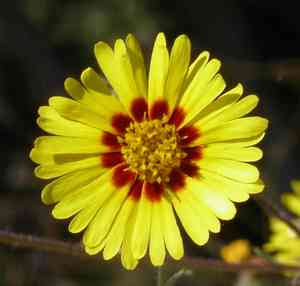
Spring madia boasts a distinctive appearance with bright yellow flowers that add a splash of color to any garden. Its cheerful blossoms can enhance the visual appeal of your outdoor space, making it a focal point or a complementary addition to other plants.
Aromatic Properties
In addition to its visual appeal, Spring madia also offers aromatic benefits. The plant emits a pleasant fragrance, which can enhance the sensory experience of your garden. This natural scent can create a more inviting and enjoyable atmosphere, whether you're relaxing outdoors or hosting gatherings.
How to Incorporate Spring madia into Your Garden?
Companion Planting
Consider integrating Spring madia as a companion plant to maximize its benefits. It pairs well with other drought-tolerant species, creating a cohesive and sustainable garden design. Companion planting with Spring madia can also improve the health and growth of neighboring plants through natural pest control and enhanced biodiversity.
Landscaping Ideas
Use Spring madia as a border plant or in rock gardens to take advantage of its low-maintenance nature and charming appearance. Its bright flowers can create a stunning visual effect when planted in clusters, making it a versatile choice for various landscaping styles.



