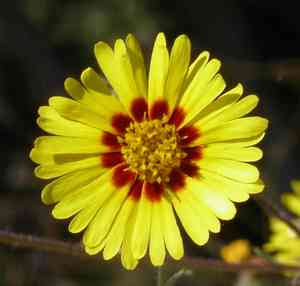
Spring madia (Madia elegans)
Also known as: Showy tarweed, Wheeler's tarweed
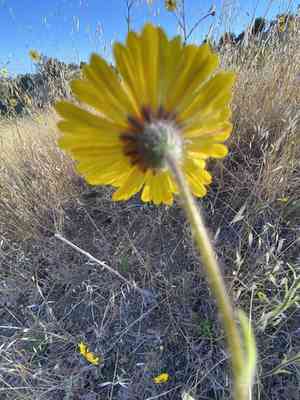
Spring madia (Madia elegans) is an annual herb found in the coastal regions of western North America. The plant is notable for its sticky, hairy stems and leaves, which release a fragrant oil. It features bright yellow flowers, often with a reddish or brownish center, making it appealing for ornamental use. Historically, Native American tribes utilized spring madia primarily for its edible seeds, which were ground into meal or flour. The plant's oil was also used for medicinal purposes and as body paint.
In This Article
Attributes of Spring madia
Lifespan
Annual
Plant Type
Herb
Plant Height
8 cm to 91 cm
Spread
30 cm
Leaf Color
Green
Flower Size
1.5 cm to 4.5 cm
Flower Color
Yellow Red
Images of Spring madia
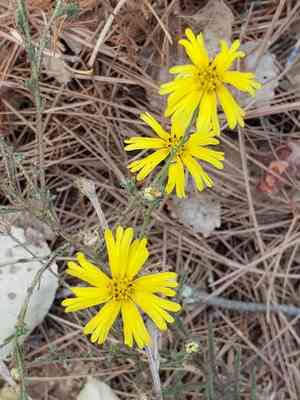
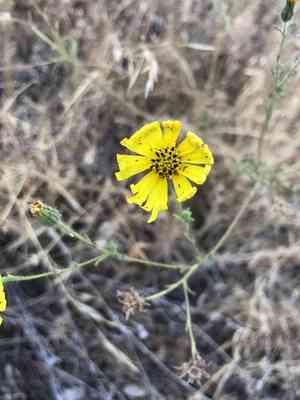
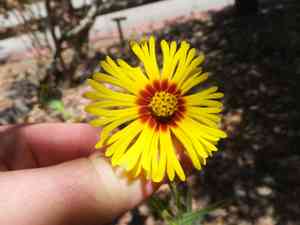
Quickly Identify Spring madia
1
Madia elegans can be identified by its sticky, glandular stem and leaves, as well as its bright yellow, daisy-like flowers that may have dark centers. The plant often emits a strong, sweet fragrance.
Scientific Classification of Spring madia
Phylum
Vascular plants
Class
Dicotyledons
Order
Asterales
Family
Daisy
Genus
Tarweeds
Species
Spring madia
Planting and Growing of Spring madia
Care Difficulty
Easy
Watering Schedule
Every 3 days
Sunlight Requirements
Full sun
Sunshine Duration
6-10 hours
Ideal Temperature
65-80℉
Soil Type
Potting Mix, Peat Mix
Soil pH
5.5-8
Fertilizer Type
Balanced
Pruning Season
Spring, Summer
Pruning Area
Branches, Leaves
Pruning Frequency
2 times a year
Repotting Season
Spring
Pot Type
Plastic, Terracotta
 How to Water Spring madia?
For Madia elegans, you should water enough to moisten the soil thoroughly, which generally means about 500ml per session. The soil should be allowed to dry out between waterings, so be attentive to the plant's drainage needs. Overwatering can be detrimental, so always ensure the soil is dry at least 2 inches below the surface before the next watering.
What are the symptoms of an underwatered Spring madia?
›
What should I do if my Spring madia is not getting enough water?
›
What are the symptoms of an overwatered Spring madia?
›
How to save an overwatered Spring madia?
›
 What Are the Sunlight Requirements for Spring madia?
Madia elegans thrives with 6-10 hours of sunlight per day, with full sun being the most beneficial for robust flowering and vibrant leaf coloration.
More About Sunlight Requirements Techniques→
What type of sunlight does Madia elegans prefer?
›
What are the solutions to achieve ideal light conditions?
›
What are the benefits of ideal lighting for Madia elegans?
›
 What Is the Ideal Temperature Range for Spring madia?
The ideal temperature range for Madia elegans is between 65°F and 80°F. Maintaining this range allows the plant to flourish and reach its full potential. It facilitates efficient photosynthesis, promoting healthy growth and vibrant foliage. At these temperatures, enzymatic processes critical for plant development occur at optimal rates. Any deviation from this range might result in reduced growth rates and compromised bloom quality.
 What Soil is Best for Spring madia?
Madia elegans thrives best in well-drained soils to prevent waterlogging and root rot. This allows for adequate oxygenation in the root zone, promoting healthy plant growth and a robust flowering process. This plant prefers soils with moderate nutrient levels. Excess nutrients can lead to lush foliage at the expense of flowers, while low levels can stunt growth and reduce bloom quantity. While Madia elegans requires well-draining soil, it also benefits from soil that retains some moisture. This helps sustain the plant through dry periods without overwatering.
 How to Fertilize Spring madia?
When fertilizing Madia elegans, use a balanced 10-10-10 NPK fertilizer. For liquid fertilizer, dilute according to package instructions to avoid overfeeding. For slow-release granules, apply a thin layer around the root zone without touching the stem. A handful of granules spread evenly per square foot of planting area can suffice for optimal growth.
 How to Prune Spring madia?
Always wear gloves and protective eyewear to avoid injury from sharp tools or plant sap. Some individuals may have allergic reactions to plant substances. After initial pruning, keep an eye on the plant for any signs of stress or disease. Adjust your pruning strategy based on the plant's response and health.
More About Pruning Techniques→
 How to Propagate Spring madia plant?
1
Before sowing, some seeds may require stratification, a process of cold treatment, to break dormancy. This can mimic natural winter conditions and improve germination rates.
2
Sow the seeds evenly onto the surface of a pre-moistened potting mix. Lightly press them into the soil, but do not bury them too deep, as they require light for germination.
3
Keep the soil consistently moist but not waterlogged during the germination period. Use a fine mist spray to avoid displacing seeds from the substrate.
 How to Repot Spring madia plant?
1
Madia elegans shows signs of needing repotting when its roots begin to outgrow their current pot, pushing up against the sides and bottom. This vigorous climber may also exhibit stunted growth or reduced blooming as a cue that it's starting to feel cramped. Early spring or summer is an ideal time, as the plant is gearing up for its growing season, meaning it can quickly acclimatize to its new accommodations.
2
Select a pot that is about one size larger than the current one, with good drainage holes to promote healthy root aeration. A pot made from breathable materials like terracotta can be advantageous, as it prevents waterlogging by allowing moisture to escape more quickly. This breathability encourages a robust root system, vital for a plant with such dynamism as Madia elegans.
3
Opt for a well-draining potting mix, supplemented with organic matter such as compost for additional nutrients. This soil choice will ensure proper drainage, preventing root rot that stems from water-saturated conditions. Moreover, a rich mix supports the plant's vibrant blooming and lush foliage by providing essential nutrients in a readily accessible form.
Toxicity
Ingestion
WARNING
The judgment on toxicity and danger is for reference only. We DO NOT GUARANTEE any accuracy of such judgment. Therefore, you SHALL NOT rely on such judgment. It is IMPORTANT TO SEEK PROFESSIONAL ADVICE in advance when necessary.
Learn More About Spring madia Diseases
Anthracnose
Bacterial Leaf Spot
Bacterial Wilt
Crown Gall
Cyst Nematode
Damping-off
Downy Mildew
Drought Stress
Fusarium Wilt
Gray Mold
Leaf Spot
Mosaic
Nutrient Deficiency
Nutrient Toxicity
Powdery Mildew
Root Rot
Root-knot Nematode
Rusts
Sooty Mold
Spider Mites
Temperature Stress
Thrips Damage
White Mold
Chemical Injury



