How to Prune Flaky juniper?
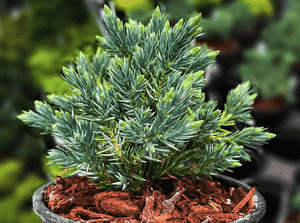
This perennial evergreen, recognized for its bluish-green needles and bushy habit, thrives with judicious trimming to preserve its form and vigor. Essential pruning methods include reducing aged or congested limbs and sculpting to foster more compact development. The ideal season for pruning flaky juniper is in winter, while it is inactive, to lessen strain and fluid discharge. Precisely timed cuts can improve the plant's inherent structure and avert illness by facilitating rapid wound recovery.
What Are the Benefits of Pruning Flaky Juniper?
What Are the Benefits of Pruning Flaky Juniper?
Trimming flaky juniper promotes robust development and maintains its desired form. Strategic cuts enhance light penetration and air circulation, crucial for flaky juniper's strong health and visual appeal.
What Is the Best Time for Pruning Flaky Juniper?
What Is the Best Time for Pruning Flaky Juniper?
Trimming flaky juniper from late winter to early spring helps prevent disease entry through cuts and encourages quicker recovery as the plant enters its active growth phase. This timing allows gardeners to shape the flaky juniper without removing the upcoming season's growth, and avoids potential harm to flower or fruit production, as flaky juniper does not significantly bloom or bear fruit. This period also minimizes stress on flaky juniper, allowing cuts to heal before the growing season, ensuring a healthy and vigorous growth response.
What Tools Do I Need to Prune Flaky Juniper?
Bypass Pruners
Perfect for making accurate cuts on flaky juniper, bypass pruners ensure clean severance without crushing branches. They are best suited for smaller branches, typically under 1/2 inch in diameter.
Loppers
For branches that are somewhat thicker, up to 1 and 1/2 inches, loppers provide the necessary leverage to make clean cuts on flaky juniper without overstraining the plant or the gardener.
Pruning Saw
A pruning saw can be utilized for the thickest branches of flaky juniper, those exceeding 1 and 1/2 inches in diameter. This tool facilitates clean cuts on larger branches with minimal damage to surrounding plant material.
Shears (Hedge Clippers)
If shaping or shearing is desired for flaky juniper, hedge clippers can create a tidy, formal look. They are ideal for trimming new growth into hedges or specific forms.
How to Prune Flaky Juniper
Clean Tools
Before beginning, disinfect pruning tools to stop the spread of disease. Use a bleach and water solution or rubbing alcohol to clean the blades.
Remove Dead Material
Identify and eliminate withered leaves, dead branches, and any diseased wood. Make clean cuts at the base of the unwanted material without harming healthy parts of flaky juniper.
Thinning Out
Reduce density in crowded areas to improve air circulation and light penetration. Focus on intersecting branches and ensure remaining branches have ample room to develop.
Shape Plant
Form flaky juniper by selectively trimming overgrown branches. Aim to maintain its natural pyramidal to spreading shape, avoiding excessive cutting into old wood which may not regrow.
Cleanup
Gather and dispose of all pruned material to lessen the chance of pest and disease problems. Clean and re-sanitize pruning tools after completion.
Common Pruning Mistakes with Flaky Juniper
Overpruning
Removing too much foliage from flaky juniper can stress the plant, making it more vulnerable to disease and weather damage. It can also alter the shrub's natural shape.
Improper Cut Location
Cutting too close or too far from the branching point can harm flaky juniper. Incorrect cut placements can result in stubs that don't heal properly or damage the parent branch.
Using Dull Tools
Dull pruning tools can injure the branches of flaky juniper, leading to ragged cuts that heal poorly and increase disease risk.
Neglecting Sanitation
Failing to sanitize tools between cuts on flaky juniper, especially when moving between different plants, can spread diseases and pests from one branch to another.
Pruning During Active Growth
Trimming flaky juniper while it is actively growing can restrict its full development and may reduce its vigor.
Removing Too Much Old Wood
Cutting away too much of flaky juniper's old wood can lead to fewer new shoots and diminished overall health, as these mature branches are vital for sustaining the plant.
Common Pruning Tips for Flaky Juniper
Sharp Clean Tools
Utilize sharp, clean pruning tools to make precise, clean cuts on flaky juniper, which will heal faster and decrease disease risk.
Selective Pruning
Practice selective pruning on flaky juniper by removing only dead, damaged, or diseased branches to maintain the plant's health and natural form.
Mindful Shaping
When shaping flaky juniper, consider the plant's inherent growth habit. Aim to enhance its form rather than creating an unnatural shape.
Thin Out
Thin out dense growth on flaky juniper to improve air circulation and light penetration, which can help prevent disease and promote healthy foliage.
Follow Branch Angles
When trimming flaky juniper, cut at the same angle as the branch collar to encourage proper healing and maintain a clean intersection.
Gradual Pruning
Gradually prune flaky juniper over several seasons if extensive shaping or size reduction is necessary, allowing the plant to recover between sessions.



