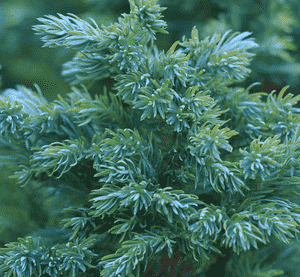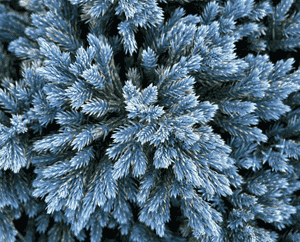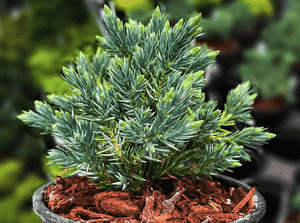
Flaky juniper(Juniperus squamata)

Flaky juniper (Juniperus squamata)

Also known as: Flaky juniper blue star, Nepalese juniper

The flaky juniper (Juniperus squamata) is an evergreen species known for thriving in well-drained soils. It is indigenous to the Himalayan region and parts of East Asia, including China and Taiwan. This plant produces berry-like cones, each containing a single seed, which is why it is also called the single seed juniper.

Attributes of Flaky juniper

Lifespan
Perennial
Plant Type
Shrub
Plant Height
45 cm
Spread
1 m
Leaf Color
Green Blue Yellow Silver
Flower Size
N/A (non-flowering conifer)
Flower Color
N/A (non-flowering conifer)

ForwardPlant - Identify plants with a snap

Identify and diagnose plants, get toxicity alerts, and explore safety guides for all types of fungi.

Try for Free

Images of Flaky juniper

Flaky juniper(Juniperus squamata)

Quickly Identify Flaky juniper

1
Juniperus squamata can be identified by its flaky, peeling bark, its needle-like blue-green to silvery leaves, and its berry-like seed cones which are blue-black when mature.

Scientific Classification of Flaky juniper

Phylum
Vascular plants
Class
Conifers
Order
Pinales
Family
Cypress
Genus
Junipers
Species
Flaky juniper

Planting and Growing of Flaky juniper

Care Difficulty
Easy
Watering Schedule
Every 2 days
Sunlight Requirements
Full sun
Sunshine Duration
6-8 hours
Ideal Temperature
60-75℉
Soil Type
Potting Mix, Peat Mix
Soil pH
6-8
Fertilizer Type
Balanced
Pruning Season
Spring, Summer
Pruning Area
Branches, Leaves
Pruning Frequency
2 times a year
Repotting Season
Spring
Pot Type
Plastic, Ceramic

water icon How to Water Flaky juniper?

Juniperus squamata prefers a moderate watering regime. The key is to ensure that the soil is moist but not waterlogged. When watering, aim for about 500 ml to moisten the soil thoroughly. Always check the top 2-3 inches of soil; if it's dry, it's time to water.
What are the symptoms of an underwatered Flaky juniper?
What should I do if my Flaky juniper is not getting enough water?
What are the symptoms of an overwatered Flaky juniper?
How to save an overwatered Flaky juniper?
More About Watering Techniques

sunlight icon What Are the Sunlight Requirements for Flaky juniper?

Sunlight Requirements: Full sun, Partial sun
Duration of light: 6-8 hours daily
Juniperus squamata's ideal light range includes full sun to partial sun conditions. Optimal lighting ensures vigorous growth, vibrant foliage, and overall plant health by balancing energy capture and protection against excessive exposure.
Question: What is the best lighting condition for Juniperus squamata?
Question: How can I ensure that my Juniperus squamata receives ideal sunlight?
Question: What benefits does ideal sunlight provide to Juniperus squamata?
More About Sunlight Requirements Techniques

temperature icon What Is the Ideal Temperature Range for Flaky juniper?

Ideal Temperature: 60 ~ 75℉
The ideal temperature range for the growth of Juniperus squamata is between 60°F and 75°F. This range ensures optimal metabolic and photosynthetic activity, promoting healthy plant development. Maintaining these temperatures supports sturdy foliage and robust growth, which are crucial for the ornamental features of Juniperus squamata.

soil icon What Soil is Best for Flaky juniper?

Soil type: Sandy soil, Loam, Acidic soil, Calcareous soil
Soil PH: 6 ~ 8
Juniperus squamata thrives in soils rich in organic matter but can tolerate nutrient-poor conditions, making it ideal for low-maintenance landscapes. This resilience enhances its adaptability and sustainability in a variety of environments. Well-drained soil is crucial as Juniperus squamata roots do not tolerate waterlogging. Adequate drainage prevents root rot, ensuring the plant's health and vigor across different seasons. This juniper adapts well to a range of soil textures, including sandy and loamy soils, which provide the right balance of retention and drainage to support stable growth. More About Soil

fertilize icon How to Fertilize Flaky juniper?

Fertilizer type: Balanced
For Juniperus squamata, a well-balanced fertilizer is essential. Use a fertilizer with an NPK ratio of 10-10-10 or 5-10-5. Apply liquid fertilizer at a rate of one tablespoon per gallon of water when used bi-weekly during the growing season.

prune icon How to Prune Flaky juniper?

Pruning Time: Spring, Summer
The best time to prune Juniperus squamata is during its growing seasons, which are spring and early summer. Start by removing any dead or damaged branches. Cut back about one-third of the total growth to shape the plant and encourage denser foliage. Juniperus squamata has a naturally charming form. When pruning, avoid cutting into old wood as this can hinder new growth. Try to maintain its cascading and layered appearance by trimming cautiously, enhancing its sculptural beauty. More About Pruning Techniques

propagate icon How to Propagate Flaky juniper plant?

Propagate Time: Late spring, Early summer
1
Juniperus squamata seeds should be collected in late summer when cones start to turn brown and begin to open. Ensure seeds are fully matured for better germination rates.
2
Select semi-hardwood cuttings during late spring. Cut a 4 to 6-inch length just below a node and remove the lower leaves to expose the stem.
3
Grafting can be done in early summer using an appropriate rootstock. The scion should be of similar diameter to ensure a successful graft union.
More About Propagating Techniques

repot icon How to Repot Flaky juniper plant?

Repotting frequency: Every 2-3 years
1
Juniperus squamata should be repotted when roots start to emerge through the drainage holes or the plant looks root-bound. Leaf discoloration or stunted growth are also indicators that repotting is needed. Repot during active growth phases in spring or autumn for optimal results.
2
Choose a pot that is 2-3 inches larger in diameter than the current one, with good drainage holes. This allows space for root expansion and prevents waterlogging, encouraging healthy growth and aeration for Juniperus squamata's roots.
3
Opt for a well-draining potting mix, ideally one designed for cacti or succulents, as Juniperus squamata prefers slightly sandy soils. Such a mix ensures proper drainage and prevents root rot, providing an ideal growing environment.

ForwardPlant - Identify plants with a snap

Find the best spots for them to optimize their health, simply using your phone.

Try for Free

Toxicity of Flaky juniper

Is Flaky juniper toxic to humans?

Flaky juniper presents a mild toxicity risk to humans, with the potential for triggering allergic reactions. Every part of the flaky juniper is regarded as toxic if ingested, and contact with the plant's sap can result in skin allergies. Ingestion of flaky juniper, whether accidental or intentional, may lead to symptoms such as gastrointestinal discomfort, commonly experienced as nausea, vomiting, or diarrhea. Contact with the sap may also cause dermatitis, which is characterized by redness, itching, and blister formation. It is crucial for individuals to handle flaky juniper cautiously to prevent unintentional ingestion and to utilize protective gloves to safeguard against skin allergies.

Is Flaky juniper toxic to cat?

Flaky juniper poses a slight toxicity threat to cats. Ingestion can lead to physical discomfort because of the plant's toxic properties. Furthermore, exposure to the sap of flaky juniper may trigger allergic reactions. The entire plant is toxic, rendering any form of ingestion or contact potentially hazardous. Cat owners should keep an eye out for symptoms of illness and obtain prompt veterinary assistance if poisoning is feared to safeguard the health of their feline companions.

Is Flaky juniper toxic to dog?

Flaky juniper carries a mild level of toxicity for dogs. Interaction with this plant can occur through eating its parts or by exposure to its sap, which may lead to allergic reactions. Every part of flaky juniper is deemed toxic if ingested, and it can also provoke allergic responses upon touching the skin. Dogs affected by this toxicity can display symptoms like gastrointestinal distress, vomiting, or skin irritations. It is essential for dog owners to keep their pets from chewing on or otherwise interacting with flaky juniper. Should a dog come into contact with this plant and show signs of poisoning, it is vital to obtain prompt veterinary attention to secure the best possible health outcome for the pet.

Identify toxic plants for your safety

Learn which plants are harmful to you and your pets, and make informed choices for a safer home!

Try for Free
WARNING
The judgment on toxicity and danger is for reference only. We DO NOT GUARANTEE any accuracy of such judgment. Therefore, you SHALL NOT rely on such judgment. It is IMPORTANT TO SEEK PROFESSIONAL ADVICE in advance when necessary.
More About Toxic Techniques