Enhancing Your Garden Design with the Flaky juniper Plant: A Landscaping Guide
1
Flaky juniper adapts well to diverse soil conditions, offering flexibility for various garden environments.
2
Flaky juniper offers aesthetic appeal and tactile quality year-round.
3
Flaky juniper supports local biodiversity by offering shelter and sustenance to animals.
Introducing Flaky Juniper in Landscape Design
Overview of Flaky juniper's unique look and growth pattern
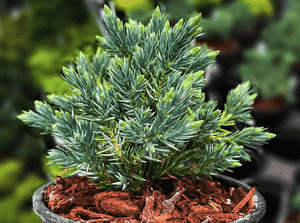
Flaky juniper is recognized for its distinctive appearance, featuring peeling bark and dense, needle-like leaves. This plant can develop into various forms, from low-spreading groundcovers to upright conical shapes, depending on the specific cultivar chosen. Its intriguing texture and structure make Flaky juniper a prominent feature in any garden, offering both visual and tactile contrast. This particular growth habit adds depth and intricacy to landscape designs, making Flaky juniper a preferred choice among gardening enthusiasts.
Flaky juniper's contribution to garden aesthetics
In the realm of garden design, Flaky juniper plays a vital role by introducing both structure and hue. Its foliage spans from blue-green to silvery tones, infusing a cool, tranquil essence into your garden. This can act as an ideal counterpoint to more vibrant plants and blooms, balancing the overall visual appeal. Furthermore, Flaky juniper can serve as a focal point or integrate into a broader design scheme, making it an exceptionally adaptable element in diverse landscaping styles.
Common landscape designs featuring Flaky juniper
Flaky juniper is adaptable enough to integrate into several landscaping styles, from formal gardens to naturalistic or mixed border arrangements. In structured gardens, its defined shape can contribute to organized, geometric layouts. For more natural settings, Flaky juniper complements wildflowers and grasses, blending seamlessly into the surroundings. Its robust nature also makes it an excellent option for rock gardens or as a low-maintenance ground cover in larger landscapes.
Optimal Placement and Plant Pairings
Selecting the ideal spot for Flaky juniper in your garden
Choosing the perfect location for Flaky juniper involves considering both sun exposure and soil conditions. While Flaky juniper is quite adaptable, it generally thrives best in well-drained soil and full to partial sunlight. To maximize its growth potential, avoid overly shaded or waterlogged areas. From a design perspective, Flaky juniper can be used to border pathways, highlight entryways, or act as anchor points in mixed borders. By thoughtfully planning its placement, you can ensure Flaky juniper will flourish and positively contribute to your garden's overall design.
Combining Flaky juniper with other plants: Best matches
Regarding plant combinations, Flaky juniper pairs well with a variety of species. For a cohesive look, consider pairing Flaky juniper with perennials that have softer foliage, such as lavender or sage. This contrast helps emphasize Flaky juniper's unique texture. For color, flowering plants like hydrangeas or peonies can provide a striking visual complement. By understanding these pairing techniques, you can cultivate a balanced and visually appealing garden.
Seasonal Considerations for Flaky juniper
Visual transformations throughout the year
Flaky juniper offers year-round appeal, making it a dynamic addition to any garden. In spring and summer, its vibrant foliage serves as a lush backdrop for blooming plants. As temperatures decrease in autumn, Flaky juniper's leaves can adopt deeper, richer hues, adding a layer of warmth to the garden. In winter, the contrasting texture and color of Flaky juniper against a snowy landscape can be particularly striking. By recognizing these seasonal shifts, you can fully appreciate Flaky juniper's inherent beauty throughout the year.
Maintaining Flaky juniper's aesthetic appeal year-round
Keeping Flaky juniper visually attractive throughout the year requires specific care practices. Regular trimming helps maintain its shape and encourages new growth. Applying mulch around Flaky juniper can help retain moisture and insulate roots during colder months. It's also beneficial to periodically check for pests or diseases, ensuring your plants remain healthy and vibrant. By implementing these straightforward maintenance steps, you can enjoy the beauty that Flaky juniper brings to your garden in every season.
Advantages of Incorporating Flaky juniper in Landscaping
Ecological benefits: How Flaky juniper supports local wildlife?
Flaky juniper does more than just enhance your garden's beauty; it also supports local ecosystems. Its dense foliage provides shelter for various insects and small animals, creating a miniature habitat within your garden. Birds may also find refuge and nesting sites among the branches of Flaky juniper. Additionally, its berries can serve as a food source for some wildlife, contributing to the biodiversity of your garden. By including Flaky juniper, you're fostering an environment that supports local fauna.
Durability and minimal upkeep: Economic advantages
Flaky juniper stands out for its resilience and low maintenance needs, making it an economically sound choice for landscaping. Once established, it requires minimal watering and is relatively drought-tolerant. Its robust nature also means it is less prone to pests and diseases, reducing the need for chemical treatments. The combination of low upkeep and high hardiness makes Flaky juniper a cost-effective and sustainable option for any garden.



