The Flaky juniper Plant Advantage: Maximizing Home and Office Appeal and Wellness
1
The flaky juniper exhibits strong drought tolerance, making it an excellent choice for dry regions.
2
This plant is recognized for its attractive, peeling bark, which provides distinct aesthetic appeal to outdoor spaces.
3
Flaky juniper provides various ecological advantages, such as preventing soil erosion and improving air quality.
Why Opt for Flaky Juniper in Your Landscape?
Visual Appeal
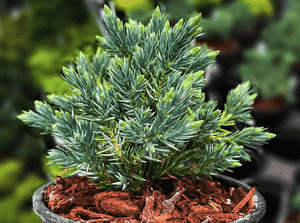
Flaky juniper is a visually striking plant, distinguished by its attractive flaky bark and needle-like foliage. The bark's distinct texture adds a rustic charm to any garden, making it a captivating focal point. Furthermore, its evergreen leaves provide year-round color, making it a versatile option for any landscape design.
Minimal Upkeep Requirements
A key characteristic of Flaky juniper is its low maintenance needs. This robust plant is highly drought-tolerant and can thrive in poor soil conditions, requiring minimal irrigation and care once established. Its hardiness makes it an excellent choice for new gardeners or those seeking to reduce their gardening effort.
Adaptability in Landscaping
Flaky juniper can be utilized in various landscaping contexts, from rock gardens to large commercial projects. Its compact size and slow growth rate make it suitable for both small urban gardens and expansive rural properties. Additionally, the plant can be pruned and shaped to fit diverse garden styles, from formal to informal designs.
Ecological Advantages of Flaky Juniper
Soil Stabilization
A significant ecological benefit of Flaky juniper is its capacity to stabilize soil. Its extensive root system helps prevent soil erosion, making it an ideal choice for sloped areas or regions susceptible to heavy rainfall. By planting Flaky juniper, you can contribute to the long-term health and stability of your local ecosystem.
Air Purification
Like many evergreen plants, Flaky juniper plays a vital role in air purification. It absorbs pollutants such as carbon dioxide and releases oxygen, enhancing air quality. This makes the plant a valuable addition to urban areas where air pollution is a concern.
Wildlife Habitat
Flaky juniper provides a natural habitat and food source for various wildlife species, including birds and insects. By incorporating this plant into your garden, you can support local biodiversity and create a mini-ecosystem right in your backyard.
Practical Applications of Flaky Juniper
Erosion Control
Beyond its aesthetic and environmental benefits, Flaky juniper is highly effective for erosion control. The plant's extensive root system anchors the soil, preventing it from being washed away during heavy rains. This makes it an excellent choice for areas prone to erosion or landslides.
Windbreaks
Flaky juniper can also serve as an effective windbreak. Its dense foliage acts as a barrier against strong winds, protecting other plants and reducing wind-related damage in your garden.
How to Maintain Flaky Juniper
Planting Advice
For optimal growth, plant Flaky juniper in well-drained soil and a sunny location. While the plant is drought-resistant, it benefits from occasional watering during extended dry periods, especially in its first year of growth.
Pruning Recommendations
Pruning is generally not necessary for Flaky juniper; however, occasional trimming can help maintain its shape and remove any dead or damaged branches. The best time to prune is in late winter or early spring before new growth begins.



