How to Prune Rocky mountain iris?
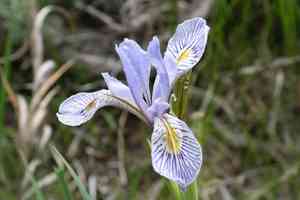
A perennial, rhizomatous blossom distinguished by its blue-violet petals, rocky mountain iris flourishes in damp environments. Deadhead faded flowers to stimulate further blossoming and preserve visual appeal. Following the initial frost, trim the foliage down to soil level to foster robust development in the spring. Perform pruning during active growth periodsâfrom spring through autumnâfor optimal outcomes. Eliminating withered leaves during these phases deters illness and cultivates more vigorous specimens. Accurate incisions prevent harm to the rhizomes, which are crucial for rocky mountain iris's reproduction and vigor.
What Are the Benefits of Pruning Rocky Mountain Iris?
What Are the Benefits of Pruning Rocky Mountain Iris?
Trimming rocky mountain iris promotes new development and more abundant flowering by eliminating faded blossoms and congested stems. Regular cutting helps maintain a desired shape and ensures robust growth, contributing to the overall health and beauty of rocky mountain iris.
What Is the Best Time for Pruning Rocky Mountain Iris?
What Is the Best Time for Pruning Rocky Mountain Iris?
Trimming rocky mountain iris in late spring, following the last frost, allows the plant to recover before the peak growing season, preventing stress and potential harm from cold weather. Early summer pruning ensures removal of spent blooms and can encourage a second flowering. Fall pruning is not advised for rocky mountain iris as it might stimulate new growth that won't endure winter temperatures.
What Tools Do I Need to Prune Rocky Mountain Iris?
Bypass Pruners
Ideal for making clean cuts on rocky mountain iris's leaves, bypass pruners cause minimal harm to plant tissues, aiding in quick recovery after trimming.
Gardening Scissors
Perfect for precise trimming of rocky mountain iris's smaller, delicate leaves and flowers, allowing for specific shaping and deadheading.
Hand Gloves
Protects the gardener's hands from thorns and plant sap when handling rocky mountain iris, ensuring safety during the trimming process.
Garden Shears
Effective for cutting back multiple stems simultaneously when rocky mountain iris becomes overgrown or when managing the plant's shape in larger quantities.
Long-handled Loppers
Useful for reaching into dense clusters of rocky mountain iris without disturbing nearby plants, providing leverage to cut thicker stems that pruners cannot handle.
How to Prune Rocky Mountain Iris
Sanitize
Before beginning the trimming process, clean your pruning tools with a bleach and water solution to prevent the spread of disease to rocky mountain iris.
Remove Diseased
Inspect rocky mountain iris for any signs of illness, such as discoloration or spots on leaves. Carefully remove all diseased leaves with the pruning shears, cutting back to the stem's base to encourage healthy growth.
Trim Withered Leaves
Identify and cut off withered or dead leaves. Trim these leaves at their base, being careful not to harm any new shoots or leaves developing on rocky mountain iris.
Deadhead Flowers
Remove spent flowers by cutting back the flower stalks to just above a leaf node. This encourages rocky mountain iris to direct its energy towards vegetative growth rather than seed production.
Clean Up
Once all trimming is finished, remove all cuttings and debris from around rocky mountain iris to reduce the likelihood of pests and disease, and to maintain a neat growing area.
Common Pruning Mistakes with Rocky Mountain Iris
Over-Pruning
Cutting back rocky mountain iris too severely can stress the plant, leading to reduced flowering or even plant demise. It's vital to prune moderately, focusing on dead or diseased foliage.
Wrong Technique
Using dull or dirty pruning tools can result in jagged cuts or introduce disease. Always use sharp, clean tools to make precise cuts without harming the plant.
Ignoring Deadheads
Failing to remove spent flowers from rocky mountain iris can hinder further blooming. Deadheading encourages more flowers by preventing seed formation.
Pruning Healthy Growth
Cutting into green, healthy foliage can be a mistake; rocky mountain iris requires minimal pruning, focusing on removing only what's necessary for plant health and appearance.
Common Pruning Tips for Rocky Mountain Iris
Sanitation
Before and after trimming rocky mountain iris, sterilize tools with alcohol or bleach solution to minimize disease transmission.
Selective Trimming
Identify and remove only the dead or diseased foliage, spent flower stalks, and any damaged parts of the plant.
Cutting Technique
Make cuts at an angle, away from the base of the spent flower stalks, ensuring that water runs off the cut surface and doesn't accumulate, which can cause rot.
Post-Bloom Care
After the blooming period, deadhead the spent flowers to promote more blooms and tidy the plant's appearance, but leave the foliage to die back naturally.



