How to Propagate Rocky mountain iris?
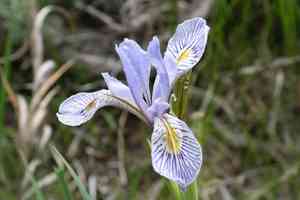
Hailing from elevated damp grasslands, the rocky mountain iris flourishes in adequately drained earth with average moisture. Reproduction is best accomplished by splitting the tubers, a process that demands caution to prevent harm to the fleshy rhizomes. Carefully detach the tubers during the latter part of summer or early autumn, making sure every segment possesses a minimum of one budding point for effective regrowth. Position the separated parts at a depth comparable to the original plant to foster vigorous development.
Optimal Time for Rocky Mountain Iris Propagation
Propagation Type
Utilize The Tubers
Propagation Season
Spring
Tools for Rocky Mountain Iris Propagation
Garden Trowel
Crucial for excavating and lifting rocky mountain iris tubers. A robust, sharp-bladed garden trowel aids in carefully extracting tubers without harming them or their root system. Its ergonomic handle and digging efficiency ensure minimal soil disruption, vital for tuber health.
Pruning Shears
Employed for trimming rocky mountain iris foliage prior to propagation. Properly sanitized, sharp pruning shears ensure clean cuts, preventing disease entry during the process. This tool is especially important for preparing the plant by removing excess leaves, facilitating easier handling and directing energy towards new tuber development.
Tuber Fork
A specialized implement effective for loosening soil around rocky mountain iris without damaging the tubers. Its tines are designed to gently lift tubers from the soil, minimizing physical harm, which is crucial for preventing fungal or bacterial infections during and after propagation.
Watering Can with a Fine Rose
Ensures gentle irrigation of rocky mountain iris after propagation, providing necessary moisture for tuber establishment without causing soil erosion or exposing newly planted tubers. The fine rose attachment disperses water evenly, offering adequate hydration vital for the initial stages of tuber growth.
Caring for Newly Propagated Rocky Mountain Iris
Caring for Newly Propagated Rocky Mountain Iris
Post-propagation, ensure rocky mountain iris receives full sun to partial shade and maintain soil moisture without overwatering. Fertilize in early spring with a low-nitrogen product and deadhead spent flowers to encourage continuous blooming. Protect from harsh winters with mulching and divide clumps every 3-4 years to sustain vigor.
Common Errors to Avoid When Propagating Rocky Mountain Iris
Overwatering
Excessive watering can cause root rot in rocky mountain iris, as it prefers well-drained soil. Saturated conditions can lead to unhealthy roots and impede the plant's ability to establish itself.
Deep planting
Planting rocky mountain iris too deeply can hinder proper root development. The rhizomes need some exposure to sunlight and air to flourish, so planting them too deep could suffocate and damage them.
Using old seeds
Employing old seeds can result in poor germination rates. Since the viability of rocky mountain iris's seeds diminishes over time, using fresh seeds is essential for successful propagation.
Neglecting division
Rocky mountain iris benefits from regular division to maintain vitality. Failing to divide clumps every few years can lead to overcrowding and reduced flowering.
Ignoring soil pH
Rocky mountain iris prefers neutral to slightly acidic soil; not adjusting soil pH when needed can impact nutrient uptake and overall health.
Advice for Propagating Rocky Mountain Iris
Sun exposure
Ensure rocky mountain iris's rhizomes receive partial sunlight by not fully covering them with soil, as this promotes healthy growth and blooming.
Soil drainage
Improve soil drainage before planting to prevent waterlogging. Rocky mountain iris requires well-drained soil for optimal development.
Seed freshness
Use fresh seeds for propagation to guarantee better germination rates. Fresh seeds should be collected from mature rocky mountain iris pods and sown promptly.
Regular division
Divide rocky mountain iris's clumps every 3 to 4 years to revitalize the plant and encourage robust growth. This helps prevent overcrowding and promotes more blooms.
Soil testing
Test the soil's pH and adjust it to rocky mountain iris's preference for neutral to slightly acidic conditions. This ensures proper nutrient availability for the plant.



