The Rocky mountain iris Plant Advantage: Maximizing Home and Office Appeal and Wellness
1
The Rocky Mountain iris flourishes across various weather conditions, making it a adaptable garden plant.
2
This botanical specimen naturally deters pests, contributing to a healthier garden environment.
3
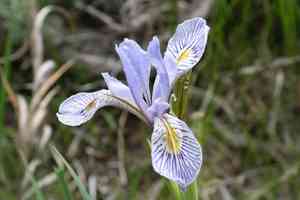
Rocky Mountain iris produces stunning, colorful flowers that improve the visual appeal of any garden.
Why Cultivate Rocky Mountain Iris?
Flourishes in Varied Environments
Rocky Mountain Iris is well-known for its hardiness and capacity to prosper across diverse climates. Regardless of whether your region experiences cold winters or hot summers, this plant can adapt and thrive, making it a flexible addition to your garden.
Natural Insect Deterrent
A key advantage of Rocky Mountain Iris is its inherent ability to repel pests. Incorporating Rocky Mountain Iris into your garden can lessen the need for chemical pesticides, fostering a healthier and more environmentally friendly gardening approach.
How Does Rocky Mountain Iris Enhance Garden Beauty?
Vivid Blossoms
Rocky Mountain Iris is celebrated for its stunning and colorful flowers, which can bring a touch of elegance and charm to any garden. The blooms come in various hues, often displaying a mix of colors that can brighten your outdoor area.
Attracts Pollinators
The eye-catching flowers of Rocky Mountain Iris are not only visually appealing but also act as a draw for pollinators such as bees and butterflies. By attracting these beneficial insects, Rocky Mountain Iris aids in the pollination process, nurturing a flourishing garden ecosystem.
What Are the Ecological Advantages of Rocky Mountain Iris?
Soil Stabilization
Rocky Mountain Iris plays a vital role in stabilizing soil, especially in areas prone to erosion. Its strong root system helps bind the soil, preventing erosion and promoting soil healthâa crucial element for maintaining a sustainable garden.
Supports Local Biodiversity
By introducing Rocky Mountain Iris to your garden, you contribute to supporting local biodiversity. This plant offers a natural habitat and food source for various insects and small animals, improving the ecological balance in your vicinity.
How to Care for Rocky Mountain Iris in Your Garden?
Planting Recommendations
To ensure Rocky Mountain Iris thrives in your garden, plant it in well-drained soil and a location that receives ample sunlight. Spring and early fall are the optimal times to plant Rocky Mountain Iris, allowing it sufficient time to establish its roots before extreme weather conditions.
Maintenance Guidelines
Rocky Mountain Iris requires relatively little upkeep, making it suitable for gardeners of all experience levels. Water the plant regularly but avoid overwatering, as it prefers slightly dry conditions. Mulching around the base can help retain moisture and suppress weeds, further encouraging healthy growth.
Can Rocky Mountain Iris Be Used in Landscaping?
Versatile Landscaping Options
Rocky Mountain Iris offers flexibility in landscaping, as it can be incorporated into various garden designs, including rock gardens, borders, and wildflower meadows. Its striking appearance and adaptability make it a popular choice among landscape designers and garden enthusiasts alike.
Combining with Other Plants
When planning your garden layout, consider pairing Rocky Mountain Iris with compatible plants that share similar growing requirements. This will create a harmonious and balanced garden space, enhancing the overall visual appeal and ecological benefits.



