Enhancing Your Garden Design with the Rocky mountain iris Plant: A Landscaping Guide
1
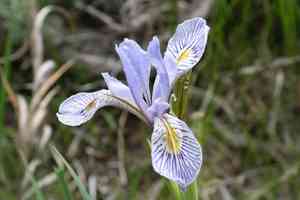
Rocky Mountain Iris displays vibrant, distinct hues and designs, establishing it as a prominent element in any landscape.
2
Positioning Rocky Mountain Iris in key spots like front gardens or areas receiving ample sunlight can significantly boost its aesthetic appeal.
3
Appropriate seasonal maintenance and illness prevention are vital for preserving the allure and vitality of Rocky Mountain Iris within your garden.
Appreciating the Visual Charm of Rocky Mountain Iris
Appearance details: Exploring its distinct colors and patterns
For crafting an appealing outdoor space, the visual allure of Rocky Mountain Iris is paramount. Renowned for its striking shades, it displays a mix of colors from gentle lavenders to deep purples, often adorned with complex veins and delicate designs. These colors stand out in the garden, creating focal points that capture attention. The petals are not only colorful but also vary in texture, adding another layer of visual intricacy. This blend of color and texture makes Rocky Mountain Iris an excellent choice for any garden aiming for beauty and natural balance.
Seasonal changes: When Rocky Mountain Iris blooms and its look throughout the year
The flowering period of Rocky Mountain Iris introduces a dynamic element to your garden design. Typically, it blooms from late spring to early summer, filling the garden with its captivating colors and textures when many other plants are still emerging from winter. The effect is immediate and striking, transforming the landscape into a vibrant display of hues. As seasons progress, its foliage remains attractive, gradually shifting to subtle tones that offer visual interest even after the blooms fade. This seasonal adaptability ensures Rocky Mountain Iris consistently enhances your landscape, regardless of the time of year.
Integrating Rocky Mountain Iris into Various Garden Styles
Traditional gardens: Blending Rocky Mountain Iris with classic garden elements
For those who value the enduring appeal of traditional gardens, Rocky Mountain Iris is a perfect addition. Its elegant flowers can be paired with classic garden features such as hedges, rose bushes, and perennial borders. The structured yet relaxed look of Rocky Mountain Iris complements the formality of traditional garden styles while adding a burst of color and texture that prevents the landscape from appearing too rigid. Planting it near paths or garden benches can create charming spots ideal for relaxation and enjoyment.
Modern landscapes: Utilizing Rocky Mountain Iris in contemporary design concepts
In modern landscapes, characterized by clean lines and minimalist aesthetics, Rocky Mountain Iris can offer a striking contrast. Its organic forms and vibrant colors stand out against modern hardscaping elements like concrete, steel, and glass. Grouping Rocky Mountain Iris in clusters or using it as a solitary specimen can create visual interest without overwhelming the clean lines typical of contemporary designs. The key is to use it sparingly but thoughtfully, ensuring it acts as a focal point within an otherwise understated landscape.
Xeriscapes and low-water gardens: Its role in drought-tolerant environments
As water conservation becomes more critical, xeriscaping has grown in popularity. Rocky Mountain Iris is well-suited for xeriscapes and low-water landscapes due to its drought tolerance. Planted alongside other native and drought-resistant species, it can thrive with minimal water, making it an eco-friendly option. Its presence can add a touch of lushness without excessive irrigation, blending seamlessly with gravel, sand, and other xeriscaping elements to create a sustainable yet beautiful garden.
Selecting the Ideal Spot for Rocky Mountain Iris
Front yard versus backyard: Strategic placement for maximum visual impact
Deciding where to plant Rocky Mountain Iris can significantly affect your landscape's overall appearance. Placing it in your front yard ensures it becomes a welcoming visual feature for visitors, enhancing curb appeal and setting the tone for your home's exterior. In the backyard, it can be used to create tranquil, picturesque areas for relaxation or entertaining guests. Whether you aim to impress passersby or create a private sanctuary, strategic placement of Rocky Mountain Iris is crucial.
Sunlight and shade considerations: Identifying optimal locations
Rocky Mountain Iris thrives best in areas with full sun to partial shade. It's essential to evaluate your garden's sunlight patterns before planting. Ideally, choose spots that receive morning sun and some afternoon shade, providing the plant with the best conditions for growth and blooming. In hotter climates, too much direct afternoon sun can stress the plant, so partial shading can offer relief. By observing how sunlight moves through your garden, you can select the perfect spots for Rocky Mountain Iris to flourish.
Companion Plants to Pair with Rocky Mountain Iris
Harmonizing colors and textures: Which plants complement Rocky Mountain Iris?
Pairing Rocky Mountain Iris with suitable companion plants can enhance your garden's visual appeal. Consider combining it with plants that offer contrasting or complementary colors, such as white lilies for a classic look or bright orange daylilies for a vibrant splash. Texture is equally important; mixing Rocky Mountain Iris with grasses or plants with different leaf shapes can create an engaging tapestry of textures. These thoughtful combinations can highlight its natural beauty and create a more cohesive garden design.
Spacing and sizing: How to effectively arrange companion plants around Rocky Mountain Iris
Proper spacing is vital to ensure Rocky Mountain Iris and its companion plants have ample room to grow and thrive without overcrowding. When planting, leave sufficient space for air circulation, which helps prevent diseases. Taller companion plants should be positioned behind Rocky Mountain Iris to avoid overshadowing, while smaller or ground-covering plants can be placed in front or around its base to create layers of interest. This careful arrangement promotes each plant's growth and maintains visual harmony in your garden.
Maintaining the Beauty of Rocky Mountain Iris
Tips on seasonal care: Ensuring Rocky Mountain Iris thrives year-round
Caring for Rocky Mountain Iris is relatively simple, but seasonal attention can make a big difference. In spring, ensure it receives enough water as it begins to grow, but avoid waterlogging. Mulching can help retain moisture and control weeds. Deadheading spent blooms encourages more flowering and prevents seed formation, which can deplete the plant's energy. In fall, cut back the foliage to ground level after it browns, preparing the plant for winter dormancy. These simple steps help Rocky Mountain Iris remain healthy and vibrant throughout the year.
Addressing common challenges: Managing pests and diseases specific to Rocky Mountain Iris
Although Rocky Mountain Iris is generally robust, it can be susceptible to certain pests and diseases. Aphids and iris borers are common pests that can be managed through regular inspection and natural insecticides. Fungal issues, such as leaf spot or root rot, typically result from poor drainage; ensuring well-drained soil and proper spacing can mitigate these risks. By staying vigilant and addressing any issues promptly, you can maintain the health and beauty of Rocky Mountain Iris, ensuring it remains a prominent feature in your landscape.



