How to Prune Water avens?
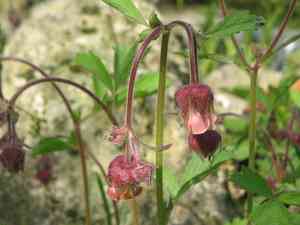
A perennial plant recognized for its drooping, campanulate blossoms and broad habitat adaptability, water avens thrives with judicious trimming. Remove faded flower stalks post-bloom to foster a neat look and inhibit self-propagation. Clear away any deceased or compromised leaves in the early spring. The most effective pruning occurs from the beginning of spring through late autumn, steering clear of winter to safeguard fresh cuts from frost harm. Consistent trimming can boost vitality and bloom production in the subsequent growing period.
What Are the Benefits of Pruning Water Avens?
What Are the Benefits of Pruning Water Avens?
Trimming water avens promotes more vigorous development and helps maintain its desired form. By removing faded flowers and dead leaves, gardeners ensure a robust plant with an attractive appearance.
What Is the Best Time for Pruning Water Avens?
What Is the Best Time for Pruning Water Avens?
Trimming water avens in early spring stimulates healthy new growth and helps maintain the plant's desired shape before the start of the growing season. It also removes any damage from winter weather. Late fall pruning is ideal because it prevents disease spread, as the plant is entering dormancy and cuts have time to heal before the next growth cycle begins. It also helps remove old, spent blooms, which encourages more abundant flowering in the subsequent season. These periods ensure the plant's vigorous growth and optimal blooming without risking its health or vitality.
What Tools Do I Need to Prune Water Avens?
Hand Pruners
Perfect for making precise cuts on water avens, hand pruners are essential for removing spent flowers and any damaged or diseased foliage. The bypass type, which operates like scissors, is especially suitable for ensuring clean cuts that heal quickly.
Pruning Shears
For shaping water avens and thinning out dense growth, pruning shears make trimming easy. Their sharp blades help maintain plant health by reducing the chance of disease entry from jagged cuts.
Gloves
Protective gloves are necessary for handling water avens, shielding hands from thorns or rough plant material and providing a better grip on the pruning tools.
Garden Scissors
Water avens often has delicate stems that might need attention during the flowering season. Garden scissors provide a gentle option for snipping soft stems or leaves without causing unnecessary damage.
How to Prune Water Avens
Step1: Assess Plant for Pruning Needs
Carefully examine water avens, identifying dead leaves, withered blooms, and crowded stems that require trimming. Conduct this assessment during late winter or early spring before new growth commences.
Step2: Sanitize Pruning Shears
Disinfect your pruning shears to prevent the spread of disease. Wipe the blades with a cloth soaked in isopropyl alcohol or a bleach solution.
Step3: Remove Dead Leaves
Begin with the dead leaves. Using your sanitized shears, cut the leaves at their base where they meet the stem or the ground. Be careful not to harm new emerging foliage or nearby healthy leaves.
Step4: Prune Withered Blooms
Trim the withered blooms. Cut the flower stem of water avens just above the first set of healthy leaves below the spent flower. This encourages the plant to produce new blooms and maintain a tidy appearance.
Step5: Thin Crowded Stems
Thin out crowded stems to improve air circulation and light penetration. Identify stems that are dead, weak, or crossing over others. Cut these stems back to their point of origin or to a main stem. The goal is to create an open, vase-like shape which allows water avens to grow healthily.
Step6: Clean Pruning Debris
After completing pruning, clear the area around water avens to remove all trimmed material. This helps prevent the spread of pests and diseases.
Step7: Water and Fertilize Plant Post-Pruning
Water water avens after pruning to help the plant recover and grow vigorously. Apply a balanced fertilizer if necessary, following product guidelines for proper dosage and application.
Post-Pruning Care for Water Avens
Post-Pruning Care for Water Avens
Immediately after trimming water avens, ensure thorough watering to aid recovery. Manage light exposure to prevent scorching; water avens prefers partial shade. Maintain ambient humidity and cooler temperatures, reflecting water avens's natural habitat. Apply a balanced, slow-release fertilizer to support new growth. Routinely inspect water avens for signs of stress, such as wilting or discolored foliage, indicative of pests or disease. At early detection, isolate the plant and treat accordingly, avoiding chemical usage to preserve water avens's delicate ecosystem.
Common Pruning Mistakes with Water Avens
Excessive Foliage Removal Shocks Plants
Cutting too much foliage at once can shock water avens and potentially lead to weaker growth or a significant reduction in blooming.
Damage from Dull or Dirty Pruning Tools
Using dull or unclean pruning tools can cause damage to the stems of water avens, leading to an increased risk of infection and disease.
Improper Pruning Without a Growth Plan
Pruning without a plan or clear understanding of the growth pattern of water avens often results in uneven or undesirable shaping.
Common Pruning Tips for Water Avens
45-Degree Clean Cuts Above Leaf Nodes
Make clean cuts just above the leaf nodes at a 45-degree angle, promoting quicker healing and reducing the chance of disease in water avens.
Deadhead Spent Flowers to Boost Blooming
Regularly deadhead spent flowers on water avens to redirect energy to new growth and encourage further blooming. Snap or cut off the old flower heads back to the first full set of leaves.
Light Trimming During Growth Periods
During active growth periods, lightly trim water avens to shape the plant and maintain a desired size. Avoid heavy pruning as this might stress the plant.
Sanitize Tools to Prevent Disease Spread
Sanitize pruning tools before and after use on water avens to prevent the spread of pests or diseases.
Prune for Open Structure and Airflow
Observe the branching structure and prune selectively to maintain an open and balanced framework that supports air circulation and light penetration for water avens.



