How to Propagate Water avens?
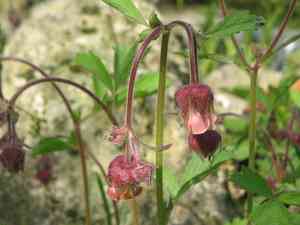
Geum rivale reproduces most effectively in the spring and summer seasons, primarily via the technique of taking cuttings. This particular plant presents a moderate level of challenge for propagation. Indicators of successful reproduction encompass the emergence of fresh foliage and the formation of roots. It is crucial to verify that each cutting possesses a robust leaf node prior to its insertion into the growing medium.
Optimal Time for Water Avens Propagation
Propagation Method
Cutting
Propagation Period
Spring, Summer
Tools Required for Water Avens Propagation
Sharp pruning shears
Keen, clean pruning shears are vital for taking cuttings from water avens. They enable precise cuts, minimizing harm to the parent plant and creating clean surfaces on cuttings for improved rooting. A cleaner cut reduces infection risk and enhances healing and rooting.
Rooting hormone
Rooting hormone is applied to the cut end of water avens cuttings to encourage root development. It contains synthetic auxins that mimic natural plant hormones, fostering quicker and more consistent root growth, which is essential for successful establishment of propagated water avens.
Sterile potting mix
A sterile potting mix offers a disease-free environment for water avens cuttings to root. The mix should be well-draining and loose to support adequate moisture retention and air exchange. This helps prevent root rot and other pathogens from harming the new plants.
Propagation trays or pots
Propagation trays or pots hold the potting mix and cuttings in an organized manner. They must have sufficient drainage holes to allow excess water to escape, preventing waterlogged conditions that could damage the delicate roots of water avens.
Plastic covers or humidity domes
Plastic covers or humidity domes create a controlled, moist environment around water avens cuttings to prevent excessive moisture loss from leaves and stems. Maintaining high humidity is crucial for cuttings that lack roots to absorb water.
Heating mat (optional)
A heating mat is optional but recommended for providing consistent bottom heat to water avens cuttings. This can enhance rooting success by maintaining an optimal temperature, particularly beneficial in cooler growing environments where water avens might otherwise struggle to root.
How to Propagate Water Avens?
Propagation Type
Cutting
Difficulty Level
Easy
Caring for Your Newly Propagated Water Avens
Caring for Your Newly Propagated Water Avens
Once water avens has been successfully propagated and adapted to typical growing conditions, provide consistent care for healthy development. Water avens prefers moist, well-drained soil and tolerates partial shade. Water regularly to maintain moist soil, especially during dry spells. Apply a layer of mulch to retain moisture and regulate soil temperature. Fertilize annually with a balanced, slow-release fertilizer. Prune spent flowers to encourage bushier growth and potentially more blooms. Monitor for pests and diseases, treating as needed using sustainable gardening practices.
Common Mistakes to Avoid When Propagating Water Avens
Overwatering
Excessive watering can lead to waterlogged soil, which is harmful to water avens's health. The plant prefers moist but well-drained soil, and too much water can cause root rot and fungal diseases.
Deep planting
Planting water avens too deeply can bury the crown, which should be at soil level. This error can lead to crown rot and poor growth.
Neglecting division
Failing to regularly divide water avens can result in overcrowding, which reduces air circulation and can lead to pest and disease issues. Division helps to rejuvenate and increase plant vigor.
Incorrect soil mix
Using a soil mix lacking organic matter can hinder the growth of water avens. The plant thrives in soil rich in organic material, which provides nutrients and proper drainage.
Ignoring pests
Overlooking signs of pests like aphids and slugs can lead to significant damage. As water avens is susceptible to these pests, early detection and control are crucial for the plant's health.
Tips For Propagating Water Avens
Moist stratification
Water avens seeds benefit from a period of cold, moist stratification to break dormancy. This mimics natural winter conditions and promotes successful germination.
Light sowing
Water avens seeds should be sown on the soil surface or lightly covered with soil as they require light for optimal germination. Avoiding deep sowing ensures better germination rates.
Gentle separation
When dividing water avens, use a sharp, clean tool and take care to gently separate the roots to minimize damage and stress to the plant, ensuring a better success rate for new plants.
Adequate spacing
Providing adequate space between divisions of water avens promotes good airflow and reduces the risk of fungal diseases. This spacing also allows each division to establish without competition for resources.
Crown placement
Ensure that the crown of water avens is at soil level when transplanting divisions. Proper placement avoids crown rot and promotes healthy growth.



