How to Overwinter Water avens
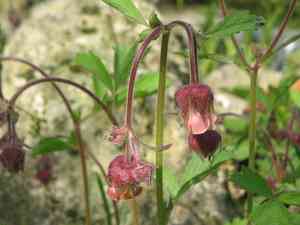
1
Water avens are resilient plants capable of enduring winter freezes with appropriate attention.
2
Applying mulch can aid in safeguarding Water avens' roots from extremely low temperatures.
3
Winter irrigation should be decreased to avoid root decay, yet the soil must not become entirely arid.
Why Is Water avens Hardy in Winter?
Why Is Water avens Hardy in Winter?
The Water avens, a charming perennial known for its nodding pink flowers, thrives in USDA hardiness zones 3-7. This incredible plant is naturally adapted to withstand cold climates, making it resilient during winter months. Its root system goes dormant in the cold season, reducing the plant's metabolic needs and conserving energy. Additionally, its foliage dies back, providing a natural insulation to the roots against frost damage.
Preparing Water avens for Winter
Assessing Plant Health
Before winter sets in, it's crucial to assess the health of your Water avens. Look for any signs of disease or pest infestation and address these issues promptly. Remove any dead or unhealthy foliage, as these can harbor pests or diseases that might worsen over winter. Healthy plants are more likely to survive and thrive once spring arrives.
Pruning Tips for Winter
Pruning your Water avens before winter is an essential step. Cut back the plant's stems to about 10 cm (4 inches) above the soil surface. This not only helps in maintaining the plant's shape but also reduces the risk of winter damage. Pruning ensures that the foliage does not collect excess moisture, which can lead to rot or fungal infections during the wet winter months.
Soil Preparation
Soil preparation is key to successful overwintering. Ensure that the soil around your Water avens is well-draining. You can improve drainage by adding organic matter such as compost or leaf mulch. This will help prevent waterlogging, which can cause root rot. Additionally, mulching the soil surface with a 5-8 cm (2-3 inches) layer of mulch can provide extra insulation and help maintain soil moisture levels.
How to Protect Water avens from Frost
Mulching Techniques
Mulching is a highly effective way to protect Water avens from frost. Apply a layer of mulch around the base of the plant, using materials like straw, wood chips, or shredded leaves. Mulch acts as a blanket, insulating the roots and maintaining a stable soil temperature. Be sure to apply the mulch after the first hard frost to prevent pests from settling in the warm mulch during fall.
Using Frost Covers
For additional frost protection, consider using frost covers or garden fabrics. These covers trap heat from the soil and protect the plant from harsh winds and frost. Secure the covers with stakes or stones to prevent them from blowing away. It's best to remove the covers during the day when temperatures are above freezing to allow sunlight to reach the plant.
Watering Water avens in Winter
Frequency and Amount
In winter, Water avens require less water than in the growing season. Watering should be reduced, but the soil should not be allowed to dry out completely. Aim to keep the soil slightly moist but never waterlogged. Checking the soil moisture weekly and watering accordingly is a good practice. If the soil is frozen, avoid watering until it thaws.
Avoiding Root Rot
Overwatering in winter is a common cause of root rot in Water avens. Ensure good drainage, as mentioned before, and avoid waterlogging. If your plants are in pots, ensure that the drainage holes are not obstructed. Elevate the pots on bricks or pot feet to prevent standing water. By carefully managing water levels, you can prevent root diseases and ensure your Water avens stay healthy through winter.



