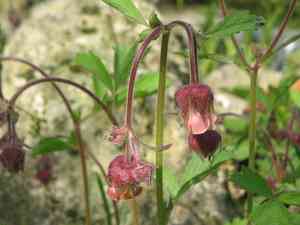
Water avens (Geum rivale)
Also known as: Nodding avens, Indian chocolate, Water flower, Chocolate root
Water avens (Geum rivale) flourish in moist habitats such as wet meadows, stream banks, and shaded woodlands. The plant features charming purple and orange flowers that hang gracefully from slender stems. Interestingly, its roots can be boiled to produce a beverage with a flavor reminiscent of chocolate.
In This Article
Attributes of Water avens
Lifespan
Perennial
Plant Type
Herb
Plant Height
25 cm to 70 cm
Spread
15 cm to 30 cm
Leaf Color
Green
Flower Size
2 cm to 2.5 cm
Flower Color
Red Yellow Pink Brown Orange
Images of Water avens
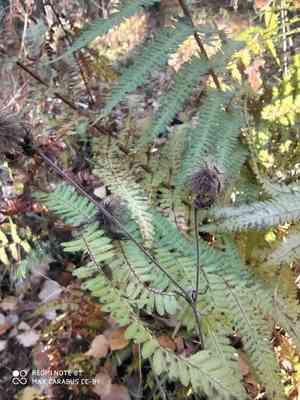
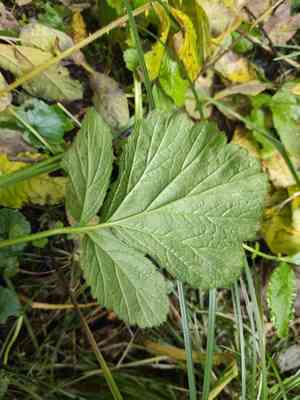
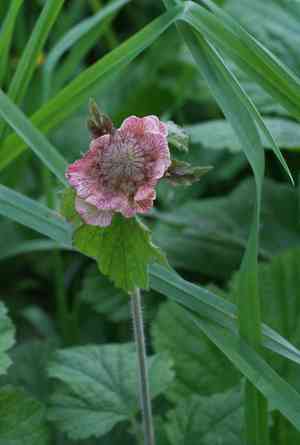
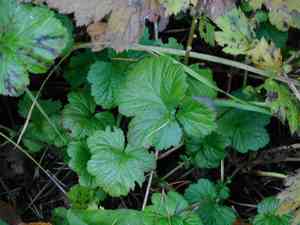
Quickly Identify Water avens
1
This plant can be identified by its nodding, bell-shaped flowers with pinkish-purple sepals and yellowish petals. The leaves are pinnate, with rounded toothed leaflets.
Scientific Classification of Water avens
Phylum
Vascular plants
Class
Dicotyledons
Order
Rosales
Family
Rose
Genus
Avens
Species
Water avens
Planting and Growing of Water avens
Care Difficulty
Easy
Watering Schedule
Every 8 days
Sunlight Requirements
Partial sun
Sunshine Duration
4-8 hours
Ideal Temperature
50-68℉
Soil Type
Potting Mix, Peat Mix
Soil pH
6.5-7.5
Fertilizer Type
Balanced
Pruning Season
Spring, Summer
Pruning Area
Branches, Leaves
Pruning Frequency
2 times a year
Repotting Season
Spring
Pot Type
Plastic, Ceramic
 How to Water Water avens?
For Geum rivale, aim to keep the soil consistently moist but not waterlogged. The water should be absorbed by the soil entirely, leaving it damp to touch but without pooling on the surface. This ensures that the roots receive adequate moisture without stressing from excessive water.
What are the symptoms of an underwatered Water avens?
›
What should I do if my Water avens is not getting enough water?
›
What are the symptoms of an overwatered Water avens?
›
How to save an overwatered Water avens?
›
 What Are the Sunlight Requirements for Water avens?
Partial sun serves Geum rivale ideally, combining sun and shade to boost its growth and ornamental appeal while protecting it from sunburn.
More About Sunlight Requirements Techniques→
What is the ideal light condition?
›
How can I achieve the ideal light condition?
›
What benefits does ideal light bring?
›
 What Is the Ideal Temperature Range for Water avens?
For optimal growth, Geum rivale prefers temperatures between 50°F and 68°F. This range is conducive to healthy growth, blooming, and overall plant vigor. Within these temperatures, the plant can carry out photosynthesis efficiently and maintain a good structure.
 What Soil is Best for Water avens?
Geum rivale thrives best in moisture-retentive soils that help the plant flourish by maintaining consistent hydration, ensuring vigorous growth and resiliency. Well-draining soil is essential to prevent root rot in Geum rivale. Adequate drainage ensures that excess water is swiftly removed, preserving the health of the root system. Rich in nutrients, loamy soils provide Geum rivale with essential minerals, fostering robust development and flowering in this plant.
 How to Fertilize Water avens?
Geum rivale, commonly known as Water Avens, benefits from a balanced nutrient supply. Apply a half-strength liquid fertilizer every month during the growing season, ensuring it is diluted adequately to prevent root burn. For solid fertilizers, use a slow-release type twice a year, approximately in early spring and late summer, to provide a consistent nutrient supply over time.
 How to Prune Water avens?
When trimming Geum rivale, remove faded or dead blooms by cutting back to the first set of healthy leaves. This not only keeps the plant looking tidy but also prevents the plant from wasting resources on seed production. Prune away any damaged or yellowing leaves to maintain a fresh appearance and to deter pests and diseases. Always cut cleanly at the base of the leafstalk, taking care not to damage the crown of the plant.
More About Pruning Techniques→
 How to Propagate Water avens plant?
1
Start by sowing Geum rivale seeds in a fine compost mix within seed trays. Cover the seeds lightly with soil, mist gently, and keep in a warm, bright location, but out of direct sunlight. Maintain moisture until germination occurs.
2
During early spring, divide mature clumps using a sharp knife or spade. Ensure each section has healthy roots and shoot buds. Replant divisions immediately into well-prepared soil, water thoroughly to establish them.
3
Select a healthy root section in spring. Cut a 3-4 inch segment carefully and plant it horizontally in moist, well-draining soil. Cover lightly with soil, water, and place in indirect light until new growth appears.
 How to Repot Water avens plant?
1
You should consider repotting Geum rivale when you notice roots emerging from drainage holes, or the plant's growth appears stunted. Early spring or autumn is the ideal time, allowing the plant to settle in before its active growing seasons. This ensures that the plant can anchor itself securely without undergoing stress during high temperatures or water shortages.
2
Opt for a pot that is just one size larger than the current one, ensuring it has sufficient drainage holes. This prevents waterlogging and promotes better root development. A well-chosen pot also supports the plant's balance, reducing the chances of toppling over as it grows.
3
Select a mixture that retains moisture yet drains well, such as a mix of loam and sand or perlite. This balance is crucial as it allows the roots to access necessary water and nutrients while preventing root rot caused by excess moisture.
Learn More About Water avens Diseases
Anthracnose
Bacterial Leaf Spot
Bacterial Soft Rot
Crown Gall
Cyst Nematode
Damping-off
Downy Mildew
Drought Stress
Fusarium Wilt
Gray Mold
Leaf Spot
Mosaic
Nutrient Deficiency
Nutrient Toxicity
Powdery Mildew
Root Rot
Root-knot Nematode
Rusts
Sooty Mold
Spider Mites
Temperature Stress
Thrips Damage
White Mold
Chemical Injury



