How to Prune White twinevine?
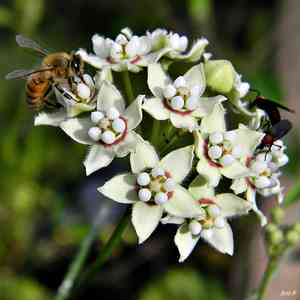
This enduring climbing plant, known for its coiling nature and pale blossoms, flourishes with appropriate pruning. For white twinevine, consistent removal of deceased or excessively long stems improves light penetration and airflow, fostering robust development. Perform pruning in late spring or early summer to stimulate abundant flowering and control its form. Essential practices involve sanitizing cutting implements to avert pathogen transmission. Pruning aids white twinevine by preserving an orderly look and minimizing the likelihood of intertwining with adjacent flora.
Advantages of Trimming White Twinevine
Advantages of Trimming White Twinevine
Trimming white twinevine promotes vigorous development and maintains its desired shape. Strategic cuts boost plant vitality and curb uncontrolled expansion, ensuring white twinevine remains an appealing, manageable specimen.
Optimal Period for Trimming White Twinevine
Optimal Period for Trimming White Twinevine
During late spring and early summer, white twinevine enters a robust growth phase, making it the ideal time for pruning. This timing allows the plant to recover quickly and channel its energy into producing new growth. Pruning in late spring, after the last frost, ensures that any potential cold damage does not impact the freshly cut areas. Early summer pruning also aligns with the pre-flowering stage, encouraging more blooms and preventing the loss of flowers that would occur with later pruning. Furthermore, these seasons help to manage the plant's shape, size, and overall health without causing stress, which could happen if pruning during dormant or peak flowering periods.
Essential Tools for Pruning White Twinevine
Hand Pruners
Ideal for making precise cuts on white twinevine's thinner stems and easily handling typical vine diameters. They provide a clean cut that encourages healthy regrowth.
Pruning Saw
Required for cutting through thicker stems that hand pruners cannot manage, ensuring clean cuts without harming the white twinevine.
Loppers
Effective for reaching higher or deeper into the white twinevine's foliage where hand pruners might not suffice. They offer leverage for thicker stems while allowing for accuracy.
Garden Gloves
Crucial for protecting the gardener's hands from white twinevine's potentially rough stems and any thorns that might be present.
Pruning Sealer
Beneficial for sealing larger cuts on white twinevine to prevent disease and pest entry after pruning.
How to Prune White Twinevine
Sanitize Tools
Before beginning, ensure all pruning tools are sterilized to prevent the spread of disease to white twinevine. Clean them with rubbing alcohol or a bleach solution.
Remove Disease
Identify and carefully remove any diseased leaves and stems from white twinevine using sharp, clean pruning shears. Make sure to cut well below the affected areas to eliminate all traces of disease.
Trim Withered Leaves
Trim off withered leaves from white twinevine to maintain plant health and appearance. Use a clean, sharp pair of scissors or shears, cutting at the base of the withered leaf where it connects to the main stem.
Dispose Diseased Material
Properly dispose of all removed diseased or withered material far from white twinevine and other plants to prevent disease spread. Do not compost diseased plant parts.
Clean Up
After pruning white twinevine, clear away any fallen plant debris from the surrounding area to maintain a tidy environment and reduce the risk of disease.
Common Pruning Errors with White Twinevine
Excessive Pruning
Removing too much growth at once can stress white twinevine, leading to reduced vigor and potential for disease. Aim to remove only necessary parts for shape and health.
Incorrect Cuts
Making cuts too far from the node or into old wood may cause harm to white twinevine. Prune close to a node to encourage new growth, but do not cut into the old wood where it may not readily heal.
Pruning Healthy Growth
It's a mistake to prune new, healthy growth indiscriminately. Focus on removing only dead, diseased, or tangled stems to promote the wellbeing of white twinevine.
Tool Hygiene
Neglecting to clean and disinfect tools between cuts can spread disease to white twinevine. Sterilize tools properly to prevent infection.
Ignoring Plant Architecture
Failing to consider the natural growth habit of white twinevine can result in an unnatural appearance or weakened structure. Understand its growth pattern before pruning.
General Pruning Advice for White Twinevine
Sharp Tools
Ensure using clean, sharp tools to make precise cuts that will heal swiftly, reducing stress on white twinevine.
Judicious Thinning
Thin out white twinevine to allow light and air to reach the interior of the plant, which encourages healthy growth and reduces disease risk.
Directional Pruning
Prune white twinevine by cutting above a bud facing the outside of the plant. This encourages outward growth and avoids crowding in the center.
Remove Dead Material
Regularly remove dead or diseased material to maintain the health and aesthetic of white twinevine, which also minimizes potential disease spread.
Integrated Support
When pruning white twinevine, integrate support structures like trellises to guide its growth and prevent stem damage due to weight and wind.



