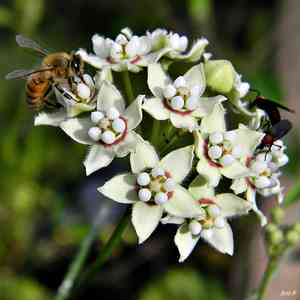
White twinevine (Funastrum clausum)
Also known as: White twinevine, Climbing milkweed
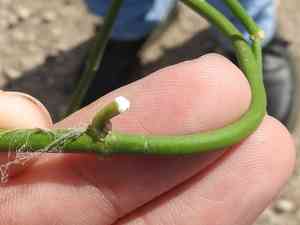
White twinevine (Funastrum clausum) is notable for its attractive, creamy white flowers with red centers, resembling clusters of glossy beads. These blooms are known to attract various pollinators, adding ecological value. Despite its appealing appearance, white twinevine is part of the dogbane family, historically known for its toxic properties. This plant produces a milky sap that can cause skin irritation and should never be ingested due to its poisonous nature. Its alluring beauty hides potential dangers, making caution essential when handling or encountering this vine.
In This Article
Attributes of White twinevine
Lifespan
Perennial
Plant Type
Herb, Vine
Plant Height
3.5 m
Spread
3.5 m
Leaf Color
Green
Flower Size
About 0.5 inches (1.27 centimeters)
Flower Color
White
Images of White twinevine
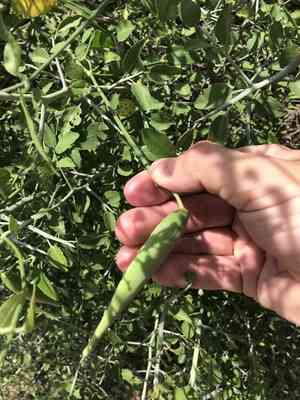
Quickly Identify White twinevine
1
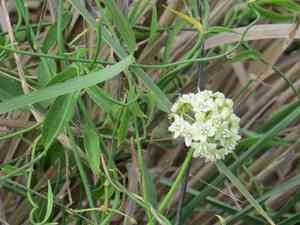
This plant can be identified by its twining growth habit, opposite leaves that are narrow and lance-shaped, and clusters of small, star-shaped, white flowers. The flowers have a mild, sweet fragrance.
Scientific Classification of White twinevine
Phylum
Vascular plants
Class
Dicotyledons
Order
Gentianales
Family
Dogbane
Genus
Twinevines
Species
White twinevine
Planting and Growing of White twinevine
Care Difficulty
Easy
Watering Schedule
Every 2 days
Sunlight Requirements
Full sun
Sunshine Duration
6-10 hours
Ideal Temperature
68-77℉
Soil Type
Potting Mix, Peat Mix
Soil pH
6.5-7.5
Fertilizer Type
Balanced
Pruning Season
Spring, Summer
Pruning Area
Branches, Leaves
Pruning Frequency
2 times a year
Repotting Season
Spring
Pot Type
Plastic, Ceramic
 How to Water White twinevine?
Funastrum clausum prefers moderate watering. Ensure the potting mix is thoroughly moistened, approximately 500 milliliters per session. Wait for the top inch of soil to appear dry before the next watering session, to prevent root rot and encourage robust growth.
What are the symptoms of an underwatered White twinevine?
›
What should I do if my White twinevine is not getting enough water?
›
What are the symptoms of an overwatered White twinevine?
›
How to save an overwatered White twinevine?
›
 What Are the Sunlight Requirements for White twinevine?
Partial to full sun positions are ideal, offering balance. This range empowers photosynthesis, supporting strong growth, lush foliage, and abundant flowering.
More About Sunlight Requirements Techniques→
How much sunlight does Funastrum clausum need?
›
What are the options for ensuring the plant gets ideal lighting?
›
What benefits does the plant gain from ideal lighting?
›
 What Is the Ideal Temperature Range for White twinevine?
The ideal temperature range for the growth of Funastrum clausum is between 68°F and 77°F. This species thrives in warm conditions where it can receive adequate sunlight and warmth to facilitate photosynthesis and other metabolic processes. In these conditions, the plant is likely to grow vigorously and maintain healthy foliage.
 What Soil is Best for White twinevine?
For Funastrum clausum, having well-draining soil is crucial as it prevents waterlogging, which can suffocate roots and lead to root rot. This plant thrives when excess water is swiftly eliminated, ensuring healthy growth and vigorous vine development. A soil rich in nutrients supports robust growth and enhances the plant's ability to produce vibrant, lush foliage. Funastrum clausum benefits from a loamy substrate because it holds necessary nutrients that the plant requires for its daily functions. While draining is important, retaining some moisture is equally vital to provide consistent hydration. Balance is key to prevent the roots from drying out in sunny conditions, ensuring the plant's sustained health and resilience.
 How to Fertilize White twinevine?
For Funastrum clausum, the fertilizing amount should be moderate to prevent nutrient overloading. Use approximately 1/4 strength of a regular liquid fertilizer diluted in water. Solid fertilizers should be applied sparingly, following the manufacturer’s recommended dosage for similar foliage plants.
 How to Prune White twinevine?
Pruning should ideally be done early in the growing seasons, such as spring and summer, when the plant is most actively absorbing nutrients. This ensures recovery and robust growth. Always make your cuts at a 45-degree angle, just above a node or the joint of a healthy leaf pair. This encourages the plant to sprout new branches at the cutting site. Start pruning by cutting off the older, woody stems that may not be producing as many leaves or flowers. This helps rejuvenate the plant and makes room for healthier stems to flourish.
More About Pruning Techniques→
 How to Propagate White twinevine plant?
1
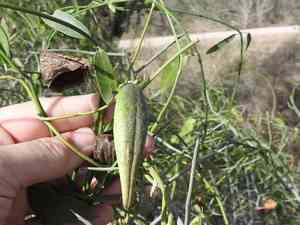
Harvest seeds from mature pods when they start to split open. Ensure the seeds are fully dry before storing them in a cool, dry place.
2
Select healthy, non-flowering stems and cut sections about 10-15 cm long. Remove the lower leaves to expose nodes for rooting.
3
Place seeds or cuttings in well-prepared soil mix. Water lightly but ensure soil remains moist without being soggy.
 How to Repot White twinevine plant?
1
Keep an eye out for roots poking out of the drainage holes or stagnated growth; these are prominent signals you're ready for repotting. Choosing spring or summer for this task can help ease the plant's transition as it coincides with its natural growing period.
2
Pick a pot just one size larger than the current one, with ample drainage holes. This ensures sufficient space for growth while preventing the risk of water accumulation, which can lead to root rot.
3
Opt for a sandy and well-draining soil mix, enhancing aeration for the roots. This choice mimics the plant's natural habitat, promoting healthy growth and preventing waterlogged roots.
Toxicity
Ingestion
WARNING
The judgment on toxicity and danger is for reference only. We DO NOT GUARANTEE any accuracy of such judgment. Therefore, you SHALL NOT rely on such judgment. It is IMPORTANT TO SEEK PROFESSIONAL ADVICE in advance when necessary.
Learn More About White twinevine Diseases
Anthracnose
Bacterial Leaf Spot
Bacterial Soft Rot
Bacterial Wilt
Chemical Injury
Crown Gall
Cyst Nematode
Damping-off
Downy Mildew
Drought Stress
Fusarium Wilt
Gray Mold
Leaf Spot
Mosaic
Nutrient Deficiency
Nutrient Toxicity
Powdery Mildew
Root Rot
Root-knot Nematode
Rusts
Sooty Mold
Spider Mites
Temperature Stress
Thrips Damage
White Mold



