The White twinevine Plant Advantage: Maximizing Home and Office Appeal and Wellness
1
White twinevine is a very versatile plant, flourishing in diverse soil conditions.
2
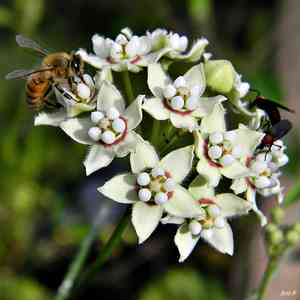
Its blossoms draw in helpful pollinators, boosting local ecological variety.
3
White twinevine finds application in landscaping as a natural ground cover and for preventing soil erosion.
Benefits of Cultivating White Twinevine
Versatility Across Soil Types
White twinevine exhibits remarkable versatility, thriving in various soil conditions. Whether your garden features rich loam, sandy earth, or clay-heavy ground, White twinevine can take root and flourish. This flexibility reduces the need for soil amendments, simplifying cultivation for gardeners in diverse geographical areas.
Minimal Upkeep Requirements
In addition to its soil adaptability, White twinevine is a low-maintenance plant that demands little care once established. It is drought-tolerant and can survive in areas with limited rainfall, making it an excellent option for xeriscaping or regions facing water restrictions.
How White Twinevine Enhances Biodiversity
Luring Pollinators
The blossoms of White twinevine are known to attract a variety of beneficial pollinators, including bees and butterflies. These pollinators play a vital role in maintaining ecosystem health by facilitating the reproduction of numerous plant species. By planting White twinevine, you foster a habitat that supports these crucial creatures, contributing to local biodiversity.
Establishing a Natural Wildlife Sanctuary
White twinevine offers refuge and sustenance for various insects, birds, and small mammals. Its dense foliage provides a secure nesting site for birds, while its seeds and plant matter serve as food. This helps create a flourishing micro-ecosystem in your garden, promoting a balanced environment that supports a wide array of species.
Functional Applications of White Twinevine in Landscape Architecture
Ground Cover and Erosion Prevention
In landscape design, White twinevine functions as an effective ground cover, helping to prevent soil erosion on inclines and embankments. Its extensive root system stabilizes the soil, lessening erosion caused by wind and water runoff. This makes White twinevine a practical choice for areas susceptible to erosion and a functional element of sustainable landscaping practices.
Visual Allure
Beyond its practical advantages, White twinevine offers aesthetic appeal with its vibrant green foliage and delicate blooms. It can be used to enhance the visual charm of gardens, parks, and naturalized spaces. When incorporated into landscape designs, White twinevine provides a natural, informal look that complements various garden styles, from wildflower meadows to formal perennial borders.



