How to Propagate White twinevine?
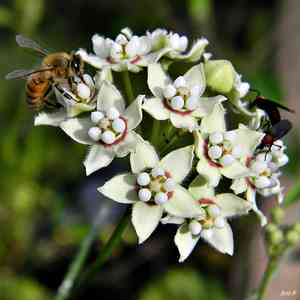
White twinevine, a perennial, is most effectively multiplied by seeding. Cultivators ought to utilize recently harvested seeds for superior sprouting, initiating them in a potting blend that drains efficiently. Sustaining damp, yet not saturated, soil fosters robust root formation. To boost the percentage of seeds that germinate, plastic covers can be employed to preserve consistent moisture levels surrounding the seeds. Once young plants are firmly rooted, they need progressive adaptation to external environments prior to being moved to their permanent spots.
Optimal Period for White Twinevine Propagation
Propagation Method
Seeding
Propagation Period
Spring
Tools for White Twinevine Propagation
Seed tray
Utilized for uniform seed distribution of white twinevine in a controlled setting. Offers ample room for initial root growth and aids in maintaining ideal soil moisture and temperature.
Sterile potting mix
Crucial for fostering healthy seed germination of white twinevine without the threat of soil-borne illnesses. Ensures proper drainage and aeration, vital for early root health.
Misting bottle
Perfect for gently hydrating white twinevine seeds and young sprouts. Helps keep the soil consistently damp without displacing seeds or causing waterlogging, which could impede germination and root development.
Clear plastic dome
Placed over the seed tray to create a miniature greenhouse effect, boosting moisture retention and sustaining a steady temperature. This is essential for white twinevine's germination rate and initial growth phase.
Heat mat
Provides a steady warmth source beneath the seed tray, significantly improving white twinevine's germination success by keeping the soil at an optimal warm temperature, especially in cooler climates or seasons.
White Twinevine Propagation Guide
Propagation Difficulty
Simple
Post-Propagation Care for White Twinevine
How to Care for Your Newly Propagated White Twinevine?
Once white twinevine seedlings are established, gradually introduce them to outdoor conditions if germinated indoors. Transplant them to a garden spot with full sun to partial shade and ensure well-drained soil. Water young plants regularly until fully established, then adjust watering seasonally based on climate. White twinevine generally requires minimal care once mature, but pest and disease monitoring is recommended. Supplementing with a general-purpose fertilizer can promote robust growth and flowering.
Common Errors to Avoid When Propagating White Twinevine
Overwatering
Excessive watering can cause root rot in white twinevine, which thrives better in moderately moist substrate. Too much moisture around white twinevine roots creates an anaerobic environment that encourages harmful pathogen growth.
Using non-sterile tools
Unsanitized tools can introduce diseases to white twinevine during the cutting process, potentially leading to infections that hinder root development and overall growth.
Neglecting humidity
Failing to maintain adequate humidity levels during propagation can lead to desiccation and poor root development in white twinevine.
White Twinevine Propagation Advice
Utilizing semi-hardwood cuttings
Propagate white twinevine using semi-hardwood cuttings from healthy plants. This method often yields a higher success rate as the cuttings are more mature and robust, leading to better root formation.
Applying rooting hormone
Using a rooting hormone can enhance root development in white twinevine. This promotes healthier root systems, which are crucial for the successful establishment and growth of new plants.
Ensuring proper light and temperature
Maintain a balance of indirect light and a consistent temperature to encourage rooting without stressing white twinevine. Avoid direct sunlight, which can cause excessive heat and damage delicate new roots.



