Enhancing Your Garden Design with the White twinevine Plant: A Landscaping Guide
1
Adding White twinevine to your garden enhances its look with distinctive blooms.
2
White twinevine fits well into diverse garden designs, from rustic to contemporary settings.
3
Effective seasonal maintenance and thoughtful positioning of White twinevine are crucial for its landscape effect.
Appreciating the Beauty of White twinevine
Enhances Visual Appeal with Distinctive Blooms
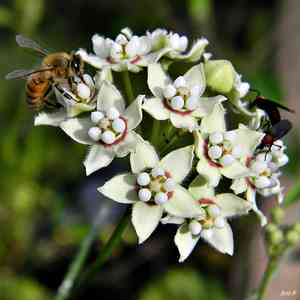
A key attractive quality of White twinevine is its unique flowers. Their particular form and hue can act as a central feature in any garden, drawing attention and adding sophistication. These blossoms can offer a strong contrast against green foliage, making your garden visually vibrant. Whether you plant White twinevine alone or among other plants, its flowers will undoubtedly elevate your landscape's aesthetic charm.
Adds Diverse Plant Textures to Garden Areas
White twinevine provides more than just lovely flowers; its leaves and growth habit contribute to a rich variety of textures within your garden. The differing textures can improve the garden's overall feel, giving it depth and dimension. Textural variety is crucial in landscape design, as it helps create a balanced and pleasing environment. By including White twinevine, you introduce another layer of complexity and interest to your garden space.
Supports Monochromatic or Themed Landscape Designs
If you're working with a specific color scheme or theme, White twinevine can be an excellent addition. Its natural beauty easily integrates with single-color designs, adding subtle variations without overpowering the main color palette. Furthermore, White twinevine can adapt to various themed landscapes, whether a tropical paradise or a tranquil Zen garden. Its adaptability in design contexts makes it a valuable component for creating unified and visually appealing landscapes.
Integrating White twinevine into Various Garden Styles
Ideal for Cottage and Wildflower Gardens
White twinevine is a perfect fit for cottage gardens and wildflower areas, where a more natural and relaxed look is desired. Its understated, organic appearance complements the whimsical and natural feel of these garden styles. Plant White twinevine among other wildflowers and cottage plants to create a lush, inviting garden that teems with life and color.
Improving Modern Landscapes with Minimalist Approaches
Modern landscapes often favor simplicity and minimalism, making White twinevine a suitable choice for these garden designs. With its clean lines and uncomplicated flora, White twinevine helps maintain the sleek, uncluttered look that modern gardens aim for. By strategically placing White twinevine, you can add a touch of nature without disrupting the minimalist aesthetic, achieving a perfect balance between natural beauty and contemporary design principles.
Using White twinevine in Xeriscaping: Sustainable Options
For those interested in sustainable landscaping practices, White twinevine is an excellent plant for xeriscaping. Xeriscaping focuses on drought-tolerant plants that require minimal water, making it an eco-friendly option for garden design. White twinevine thrives in such conditions, allowing you to create a beautiful and sustainable landscape without sacrificing aesthetic value. Incorporating White twinevine into your xeriscaped garden can help you conserve water while still enjoying a vibrant and attractive outdoor space.
Seasonal Care Advice for White twinevine in Your Landscape
Seasonal Growth Habits to Observe
Understanding White twinevine's growth patterns throughout the seasons is vital for maintaining its health and appearance. During its active growth period, White twinevine may need more water and nutrients to support its development. Conversely, it may enter a dormant phase during colder months, requiring less upkeep. By monitoring these growth patterns, you can ensure White twinevine remains vibrant and healthy all year.
Managing Excessive Growth: Maintaining Visual Balance
While White twinevine is a lovely addition to any garden, it can sometimes grow too vigorously. Managing overgrowth is essential to maintain visual harmony in your landscape. Regular pruning and trimming can help keep White twinevine in check, allowing it to blend seamlessly with other plants without overwhelming them. This maintenance routine ensures that White twinevine contributes positively to your garden's overall aesthetics.
Preparing for Weather Changes
Weather shifts can significantly impact White twinevine's health and appearance. Preparing for these changes is crucial to ensure its longevity. During extreme weather conditions, such as frost or heatwaves, additional protective measures may be necessary. Mulching, adequate watering, and providing temporary shade can help shield White twinevine from harsh elements, keeping it healthy and thriving regardless of the weather.
Effective Placement of White twinevine for Maximum Impact
Identifying Key Locations: Sunlight and Soil Types
Optimal placement of White twinevine in your garden involves considering sun exposure and soil type. White twinevine typically flourishes in well-drained soil with ample sunlight. Identifying spots in your garden that meet these requirements will help White twinevine grow robustly and maintain its visual appeal. It's essential to observe your garden's microclimates and place White twinevine accordingly to ensure it receives the right growing conditions.
Creating Focal Points with White twinevine in Entrances and Patios
White twinevine can create a striking focal point in prominent garden locations, such as entryways and patios. Placing White twinevine in these areas draws visitors' attention and creates a welcoming atmosphere. Its unique flowers and textures can serve as a visual anchor, enhancing the overall design of your garden. Utilizing White twinevine in these strategic spots ensures that your landscape design has impactful and memorable elements.
Balancing White twinevine Placement for Aesthetic Consistency
To achieve a cohesive look, balancing the placement of White twinevine throughout your garden is essential. It's important to consider the overall design and how White twinevine integrates with other plants and features. Placing White twinevine in a manner that complements and balances other elements ensures that your garden maintains aesthetic uniformity. Thoughtful placement helps create a harmonious and visually pleasing landscape that delights the senses.



