How to Prune Winter's bark?
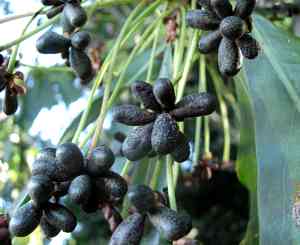
Originating from the chilly, temperate rainforests of South America, winter's bark is a striking evergreen featuring fragrant foliage and bark. The ideal period for trimming is in late winter, to preserve its form and eliminate any deceased or ailing wood. Reducing the density of branches improves air circulation and light access, fostering more robust development. Trimming also encourages fresh shoots, making the reduction of elongated stems advantageous. Refrain from extensive cutting to avert plant stress. Shaping winter's bark can elevate its aesthetic appeal and guarantee strong, well-defined growth.
What Are the Benefits of Pruning Winter's Bark?
What Are the Benefits of Pruning Winter's Bark?
Trimming winter's bark promotes robust development and helps maintain its desired form. Eliminating dead or overgrown limbs enhances air circulation, lowering disease risk and fostering a strong structure.
What Is the Best Time for Pruning Winter's Bark?
What Is the Best Time for Pruning Winter's Bark?
Pruning winter's bark in late winter to early spring, just before new growth begins, is optimal as it minimizes plant stress. This timing allows for the removal of cold-damaged branches and encourages a healthy flush of new growth in spring. It also avoids cutting during its active growing season, which can deplete energy. Additionally, pruning before the spring growth spurt enables better wound healing, reducing disease or pest entry. For winter's bark, which may flower, this timing ensures flower bud formation on new growth is not disrupted, allowing normal flowering and fruiting cycles.
What Tools Do I Need to Prune Winter's Bark?
Hand pruners
Essential for making clean cuts on small branches and twigs. Opt for bypass pruners rather than anvil pruners, as they provide a cleaner cut which is healthier for winter's bark.
Loppers
Useful for reaching higher branches and providing the leverage needed for cutting thicker branches, typically up to 2 inches in diameter.
Pruning saw
Necessary for cutting branches over 2 inches in diameter. A saw with a curved blade can make it easier to access tight spots and provide a smooth cut.
Pole pruner
Ideal for reaching higher branches without the use of a ladder. It can be used for branches of various thicknesses, depending on the specific tool's capacity.
Garden shears
Useful for shaping and trimming the foliage of winter's bark, ensuring that the plant maintains a desired appearance and promotes healthy growth.
Sharpening tool
Important for keeping all cutting tools sharp, which is essential to make clean cuts that heal quickly, minimizing stress and disease risk for winter's bark.
Cleaning agent
Used to clean the pruning tools before and after use in order to prevent the spread of pests and diseases to winter's bark.
How to Prune Winter's Bark
Clean Tools
Start by sanitizing pruning tools with alcohol or bleach solution to prevent disease and pest transmission to winter's bark.
Visual Inspection
Perform a visual check of winter's bark to spot dead or diseased branches, which are typically dry, brittle, and may show discoloration or signs of fungal growth.
Cut Dead Branches
Using sharp, clean pruning shears, make clean cuts to remove dead branches by cutting at a slight angle just above a healthy bud or lateral branch to encourage proper healing and new growth.
Remove Diseased Branches
Carefully trim away diseased branches, cutting well below the affected area. Ensure to remove any branches with visible signs of infection to halt disease progression in winter's bark.
Dispose Trimmed Material
Properly dispose of the trimmed dead and diseased branches, preferably by burning or removing them from the site to prevent the disease from spreading within the garden.
Common Pruning Mistakes with Winter's Bark
Over-Pruning
Removing too much foliage from winter's bark can stress the plant, potentially leading to reduced vigor and fewer flowers. Aim to remove no more than one-third of the total growth.
Improper Cut Locations
Cutting either too close to or too far from the bud can hinder the healing process and encourage disease. Make cuts just above buds at a 45-degree angle.
Using Dull Tools
Dull pruning tools can cause damage and create jagged cuts that are more susceptible to infection. Always use sharp, clean pruning shears.
Neglecting Diseased Branches
Failing to remove diseased or damaged branches can allow issues to spread in winter's bark. It is crucial to prioritize the removal of any unhealthy growth.
Pruning New Growth
Trimming new shoots too soon can limit the development of winter's bark and impact its natural shape. Allow young branches to mature before pruning.
Common Pruning Tips for Winter's Bark
Selective Pruning
Focus on thinning out crowded areas to improve air circulation and light penetration, which benefits winter's bark's health and flowering.
Maintenance Pruning
Regularly remove dead, diseased, or damaged branches to encourage winter's bark's vitality and to maintain a pleasing aesthetic.
Shape Elegance
Gradually shape winter's bark over several seasons rather than attempting to achieve the desired form in one pruning session, preserving the plant's health and natural structure.
Tool Care
Ensure that all pruning tools are sanitized before and after use to prevent spreading disease, particularly when cutting diseased material from winter's bark.
Aftercare Focus
Provide winter's bark with proper aftercare following pruning, including watering, mulching, and monitoring for signs of stress, to support recovery and growth.



