Enhancing Your Garden Design with the Winter's bark Plant: A Landscaping Guide
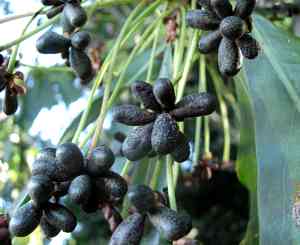
1
Winter's bark offers distinct aesthetic charm to your outdoor space throughout the year.
2
It draws in diverse fauna, enhancing the ecological variety of your garden.
3
Winter's bark complements other flora effectively, allowing for imaginative garden arrangements.
Why Incorporate Winter's Bark into Your Garden Design?
Visual Appeal: Highlighting its Distinctive Appearance
Winter's bark distinguishes itself in any garden with its striking look, featuring glossy leaves and vibrant, fragrant bark. Its unique texture and hues transform ordinary garden areas into lively, captivating landscapes. Whether utilized as a focal point or within a mixed planting scheme, Winter's bark offers both beauty and intrigue, making it an appealing choice for gardeners aiming to enhance their outdoor spaces.
Seasonal Interest: What Winter's Bark Provides Throughout the Year
A primary advantage of Winter's bark is its capacity to offer year-round seasonal appeal. In spring and summer, its lush foliage and aromatic blossoms create a visually pleasing display. As autumn approaches, the leaves often develop striking colors, adding to the seasonal charm. Even in winter, the bark's warm tones provide a splash of color against the otherwise dormant scenery, ensuring your garden remains attractive regardless of the season.
Wildlife Attraction: Fostering Biodiversity
Winter's bark benefits garden wildlife. Its flowers draw pollinators like bees and butterflies, while its foliage offers refuge for various insects and birds. By cultivating Winter's bark, you establish a habitat that supports and encourages biodiversity, making your garden a dynamic and flourishing ecosystem. This not only improves the environment but also ensures your garden stays vibrant and full of life.
Optimal Placement of Winter's Bark in Your Landscape
Enhancing Structures: Where to Position Winter's Bark
Strategic placement of Winter's bark can emphasize architectural elements and garden structures. Consider planting it near patios, pergolas, or pathways to frame and accentuate these areas. Its aesthetic qualities can soften hardscapes, seamlessly blending natural and built environments. Its height and spread are also ideal for creating privacy screens or windbreaks, adding both beauty and utility to your garden's layout.
Considering Light and Shade Requirements
Understanding Winter's bark's light and shade needs is vital for its health and vigor. Typically, Winter's bark thrives in partial to full sunlight, making it adaptable to various garden spots. However, it's crucial to ensure it receives adequate light for robust growth while being mindful of its tolerance to some shade. Selecting the right location based on these requirements will help maximize its growth potential and aesthetic contribution to your landscape.
Maximizing Impact Through Group Planting
Planting Winter's bark in clusters can create a dramatic visual effect in your landscape. Group planting can be particularly effective in larger garden areas, where multiple Winter's bark plants can form stunning mass displays. This approach not only enhances their collective aesthetic appeal but also provides continuous habitat for wildlife. When grouped, Winter's bark plants can also support each other, leading to healthier growth and a more cohesive garden design.
Pairing Winter's Bark with Other Plants
Creating Harmonious Color Palettes
To achieve a visually pleasing garden, consider combining Winter's bark with plants that have complementary colors. Its vibrant foliage and blooms can be paired with plants in contrasting or matching hues to create harmonious and captivating color schemes. For instance, pairing Winter's bark with flowering shrubs or perennials in shades of blue, purple, or white can enhance the overall aesthetic appeal of your garden.
Complementing Textures
The texture of Winter's bark's leaves and bark can be beautifully complemented by plants with different textures. Combining plants with coarse, medium, or fine textures alongside Winter's bark creates a visually engaging garden. For example, the smooth foliage of Winter's bark can be paired with grasses or ferns to add variety and interest. This textural contrast enriches the sensory experience of your garden, making it more dynamic and appealing.
Selecting Plants with Similar Growing Conditions
When planning your garden, it's beneficial to choose companion plants that share similar growth requirements with Winter's bark. This ensures that all plants in the grouping will thrive under the same conditions, whether regarding soil type, watering needs, or sunlight exposure. Plants such as shade-tolerant shrubs or moisture-loving perennials can make excellent partners, creating a harmonious and thriving garden environment.
Long-Term Care Guidelines for Winter's Bark in Landscapes
Pruning Techniques: Enhancing Vigor and Shape
Regular pruning is essential for maintaining the health and aesthetic form of Winter's bark. Prune during the dormant season to remove dead or diseased branches and shape the plant for optimal growth. Proper pruning techniques encourage vigorous new growth and help maintain the desired size and shape of the plant, ensuring it remains a standout feature in your garden.
Soil Management: Ensuring Health and Stability
To keep Winter's bark healthy, it's important to manage the soil it grows in. This plant prefers well-drained soil, rich in organic matter. Regularly enriching the soil with compost or mulch can improve its fertility and moisture retention. Additionally, monitoring soil pH levels and ensuring they are within the suitable range for Winter's bark will help prevent nutrient deficiencies, promoting overall plant health and stability.
Watering Strategies: Balancing Moisture for Optimal Health
Maintaining the correct moisture level is crucial for Winter's bark's health. While it requires regular watering, especially during dry spells, it's essential to avoid waterlogging, which can harm the roots. Implementing a balanced watering strategy, possibly including mulching to retain soil moisture, will ensure that Winter's bark receives the hydration it needs without the risk of overwatering. This balance promotes robust growth and long-term vitality.



