How to Propagate Winter's bark?
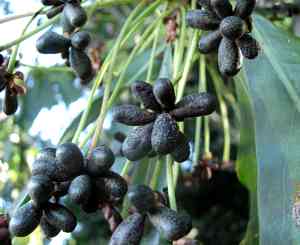
Hailing from the chilly, moderate woodlands of South America, Drimys winteri is distinguished by its fragrant leaves and therapeutic bark. Noted for its hardiness, Drimys winteri is primarily multiplied via cuttings. Cultivators ought to choose robust, semi-lignified stems and section them into segments, making sure each possesses several leaf nodes. Inserting the cuttings into a porous substrate fortified with rooting compound encourages effective root formation. Supplying suitable attention with consistent hydration and preventing oversaturated environments is vital for peak development.
Optimal Time for Winter's Bark Propagation
Propagation Method
Cuttings
Propagation Period
Fall,Winter
Tools for Winter's Bark Propagation
Sharp Pruning Shears
Crucial for making clean, precise cuts on winter's bark stem sections. Sharp blades reduce tissue damage, boosting rooting success. Well-cut stems improve water and nutrient uptake during early root development.
Rooting Hormone Powder
This product encourages root growth at the cut ends of winter's bark stem cuttings. Applying rooting hormone helps speed up new root formation, increasing propagation success. It may also enhance the vigor and health of new plants.
Sterile Potting Mix
A clean, balanced growing medium is vital for winter's bark's growth. Sterile potting mix prevents pathogens that can cause rot or disease in fresh cuttings. The mix should drain well yet retain moisture for optimal root growth.
Propagation Trays
Designed to hold multiple cuttings, these trays help maintain an organized propagation environment for winter's bark. Trays should offer good drainage and be large enough to prevent overcrowding, reducing fungal risks and allowing even growth.
Plastic Covers
Creates a moist microclimate around winter's bark cuttings, essential for maintaining moisture levels and promoting successful rooting. Covers help regulate temperature and humidity, critical for root development without drying winds.
How to Propagate Winter's Bark?
Propagation Difficulty
Moderately Difficult
Caring for Newly Propagated Winter's Bark
How to Care for Your Newly Propagated Winter's Bark?
Once rooted, gradually introduce winter's bark to ambient conditions. Provide bright, indirect light and keep the soil consistently moist. Avoid standing water to prevent root rot. As winter's bark matures, transplant it to a larger pot or suitable garden spot, ensuring partial shade or filtered sunlight. During growth, fertilize winter's bark with a balanced, slow-release product to support healthy development. Regularly check for pests and diseases, treating as needed to maintain plant health.
Common Propagation Errors for Winter's Bark
Overwatering cuttings
Excessively wet soil can cause winter's bark's cuttings to rot before roots form. Proper drainage and moderate moisture are key for successful rooting.
Using old wood
Winter's bark propagates best from semi-hardwood cuttings. Using older, hardened wood significantly lowers the chances of successful rooting.
Neglecting humidity
Winter's bark's cuttings often need high humidity to root effectively. Ignoring humidity can lead to desiccation and rooting failure.
Planting cuttings too deep
Inserting cuttings too deeply into the substrate can cause winter's bark to rot at the base, reducing successful propagation potential.
Tips for Propagating Winter's Bark
Sterile equipment
Using clean, sterile cutting tools helps prevent disease transmission to winter's bark and promotes healthier cuttings.
Appropriate medium
A well-draining propagation medium supports winter's bark's root development while preventing waterlogging.
Semi-hardwood selection
Choosing semi-hardwood stems from winter's bark for cuttings improves rooting likelihood, as they balance flexibility and maturity.
Humidity control
Maintaining a humid environment, such as using a plastic cover, can enhance the rooting success of winter's bark's cuttings by minimizing water loss.



