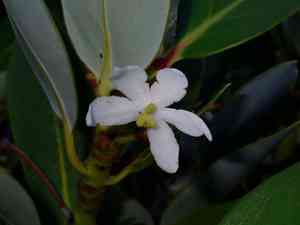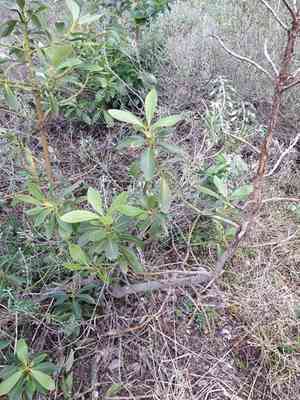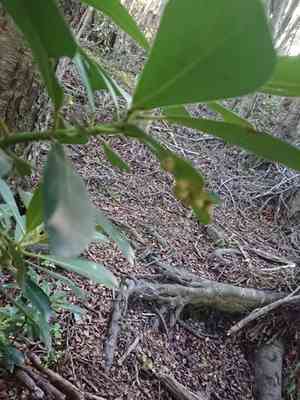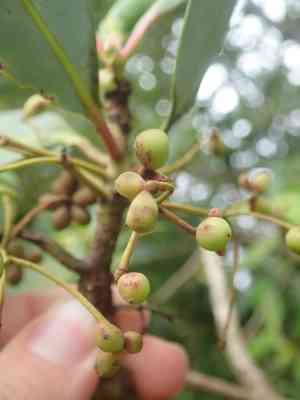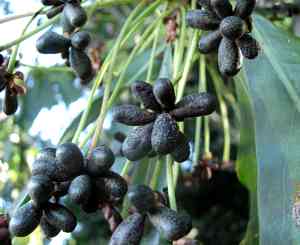
Winter's bark(Drimys winteri)

Winter's bark (Drimys winteri)

Also known as: Winter's Bark, Canelo, Winter's Cinnamon

The Winter's bark tree (Drimys winteri) offers a variety of uses and benefits:

1. **Ornamental Use**: Known for its striking evergreen leaves and fragrant white flowers, it is a popular choice for garden landscaping. Its narrow crown makes it ideal for smaller garden spaces.

2. **Flood Prevention**: In Chile, the tree is strategically planted in valleys to mitigate flooding risks, showcasing its environmental utility.

3. **Timber**: The tree's red-hued wood, known for its attractive grain, is valued in the crafting of musical instruments and furniture, adding both aesthetic and functional value.

These attributes make the Winter's bark tree a versatile and beneficial addition to both natural and cultivated environments.

Attributes of Winter's bark

Lifespan
Perennial
Plant Type
Tree, Shrub
Plant Height
20 m
Spread
6 m
Leaf Color
Green
Flower Size
2 cm to 4 cm
Flower Color
White Cream

ForwardPlant - Identify plants with a snap

Identify and diagnose plants, get toxicity alerts, and explore safety guides for all types of fungi.

Try for Free

Images of Winter's bark

Winter's bark(Drimys winteri)

Quickly Identify Winter's bark

1
Recognize Drimys winteri by its aromatic, dark brown bark, glossy green leaves, and small white to creamy flowers arranged in clusters. The leaves have a distinctive peppery fragrance when crushed.

Scientific Classification of Winter's bark

Phylum
Vascular plants
Class
Dicotyledons
Order
Canellales
Family
Wintera
Genus
Drimys
Species
Winter's bark

Planting and Growing of Winter's bark

Care Difficulty
Easy
Watering Schedule
Every 2 days
Sunlight Requirements
Partial sun
Sunshine Duration
4-8 hours
Ideal Temperature
60-75℉
Soil Type
Potting Mix, Peat Mix
Soil pH
5.5-7
Fertilizer Type
Balanced
Pruning Season
Spring, Summer
Pruning Area
Branches, Leaves
Pruning Frequency
2 times a year
Repotting Season
Spring
Pot Type
Plastic, Ceramic

water icon How to Water Winter's bark?

For Drimys winteri, you should water until the soil is evenly moist but not soggy. Aim to provide around 500 ml per watering session. Ensure the pot has good drainage to prevent water accumulation, which can harm the roots.
What are the symptoms of an underwatered Winter's bark?
What should I do if my Winter's bark is not getting enough water?
What are the symptoms of an overwatered Winter's bark?
How to save an overwatered Winter's bark?

sunlight icon What Are the Sunlight Requirements for Winter's bark?

Sunlight Requirements: Partial sun
Duration of light: 4 to 6 hours
Drimys winteri typically thrives in partial sun, where it benefits from a balanced light exposure of around 4 to 6 hours of indirect sunlight. This range supports healthy growth and photosynthesis, reducing the risk of damage from overly intense light, keeping the plant vibrant and robust.
What is the ideal light for Drimys winteri?
How can I provide ideal lighting for Drimys winteri?
What are the benefits of ideal lighting for Drimys winteri?
More About Sunlight Requirements Techniques

temperature icon What Is the Ideal Temperature Range for Winter's bark?

Ideal Temperature: 60 ~ 75℉
Drimys winteri thrives best in a temperature range of 60°F to 75°F. This range allows for optimal physiological processes, ensuring healthy growth and vibrant foliage. Provide ample sunlight while maintaining humidity to support this temperature range.

soil icon What Soil is Best for Winter's bark?

Soil type: Loam, Acidic soil
Soil PH: 5.5 ~ 7
Drimys winteri thrives in nutrient-rich soil that provides the essential minerals and elements to support its growth. Such soil ensures lush foliage and robust health, facilitating vibrant blooms and strong root development. A well-draining soil structure is crucial for Drimys winteri, preventing waterlogging and root rot. This requirement ensures that excess water is efficiently drained away, maintaining ideal moisture levels for the plant. While drainage is necessary, the soil should also retain adequate moisture without becoming soggy. This balance helps maintain consistent hydration, vital for Drimys winteri to flourish in its natural habitat.

fertilize icon How to Fertilize Winter's bark?

Fertilizer type: Balanced
For Drimys winteri, the fertilizer amount should be carefully measured to provide adequate nutrients without overwhelming the plant. A diluted liquid fertilizer should be applied monthly, using a concentration of no more than 50% of the recommended strength. For solid fertilizers, use a slow-release type in early spring, ensuring it covers the root zone but is not directly touching the stems. An appropriate dosage for a medium-sized plant would be around 100 grams annually for solid fertilizers.

prune icon How to Prune Winter's bark?

Pruning Time: Spring, Summer, Autumn
The first step in pruning Drimys winteri is to remove any dead, diseased, or damaged branches. This not only improves the plant’s appearance but also prevents the spread of disease. After removing problem branches, step back and assess the plant’s shape. Trim healthy branches to create a balanced, pleasing form, ensuring the canopy allows light penetration to lower branches. Cut back branches that cross each other or grow inwards towards the tree's center. This encourages outward growth and improves air circulation, reducing the risk of fungal infections. More About Pruning Techniques

propagate icon How to Propagate Winter's bark plant?

Propagate Time: Spring, Early summer
1
Gather seeds from ripe Drimys winteri fruits. Clean and dry them well to remove any pulp that may hinder germination. Store the seeds in a dry and cool place until planting.
2
Use well-draining soil that is rich in organic matter. Fill the seed trays or pots with this soil, ensuring it is moist and at room temperature before planting the seeds or cuttings.
3
Sow the seeds at a depth of about half an inch. For cuttings, make a diagonal cut just below a node, dip in rooting hormone, and plant it in a similar medium. Maintain soil moisture using a spray bottle.
More About Propagating Techniques

repot icon How to Repot Winter's bark plant?

Repotting frequency: Every few years
1
Look out for signs that your Drimys winteri needs repotting. These include roots growing out of the drainage holes, compacted soil, or a noticeable slowdown in growth. During spring or early summer, when the plant is actively growing, is the ideal time to repot, as this minimizes stress on the plant.
2
Select a pot that is 1-2 inches larger in diameter than the current one. The pot should have adequate drainage holes to prevent waterlogging, which can harm the roots. A slightly larger pot encourages healthy root growth without overwhelming the plant with excess space, which can lead to root rot.
3
Opt for well-draining, acidic soil to mimic the natural environment of Drimys winteri. This type of soil provides essential nutrients and ensures proper water retention while preventing root suffocation. It promotes healthy root systems and overall plant vitality.

ForwardPlant - Identify plants with a snap

Find the best spots for them to optimize their health, simply using your phone.

Try for Free